Film Distribution Flowchart
- Get link
- X
- Other Apps
Sound Effects
- epidemicsound.com
- soundlabel.io
- bensound.com
- reverb.com
- wavo.me
- acoustica.com
- prosoundeffects.com
- stonewashed.net
- samplephonics.com
- gameburp.com
Templates
- envatoelements.com
- renderhub.com
- aejuice.com
- creatopy.com
- canva.com
- flexclip.com
- videobolt.net
- animoto.com
- visme.com
- pitch.com
LUTs & Grading
- huedrye.com
- presentrain.com
- cinemacolor.com
- lutgallery.com
- gradinglut.com
- lutmarketplace.com
- fimpack.store
- filmpreset.store
- digitalfilmtree.com
- cinemaspice.net
>Poetry from Clinton R. Siegle
Alan Alda
Actor, Director, Writer, and Hawkeye Pierce
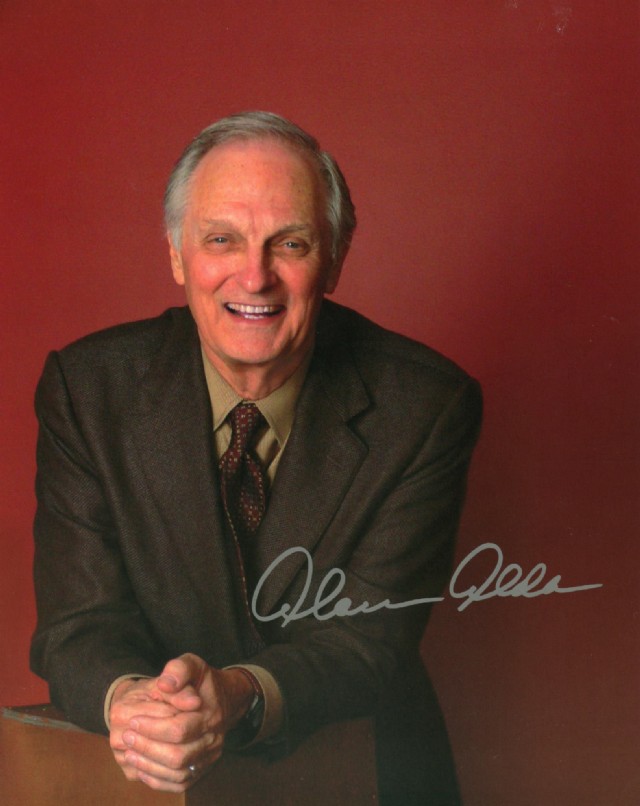
Alan Alda, actor, director, writer, and doctor,
Living laughter within the Mobile Army Surgical Hospital.
Active in causes, making people think of medical and political issues,
Nice, sympathetic smile, a healer and an actor.
Alda, a New York actor with a legacy untold,
Driving laughter from the stage, his stories unfold.
A dear life of an actor, with passion so true,
Living in the moments of each role he knew.
Animated in his acting, with deep ideological questions,
Doctor and actor, posing reflections with each suggestion.
Alda, a man of depth, in humor and heart,
Acting and healing, playing both parts.
Alan Rankin – A Mystery Writer's Dream
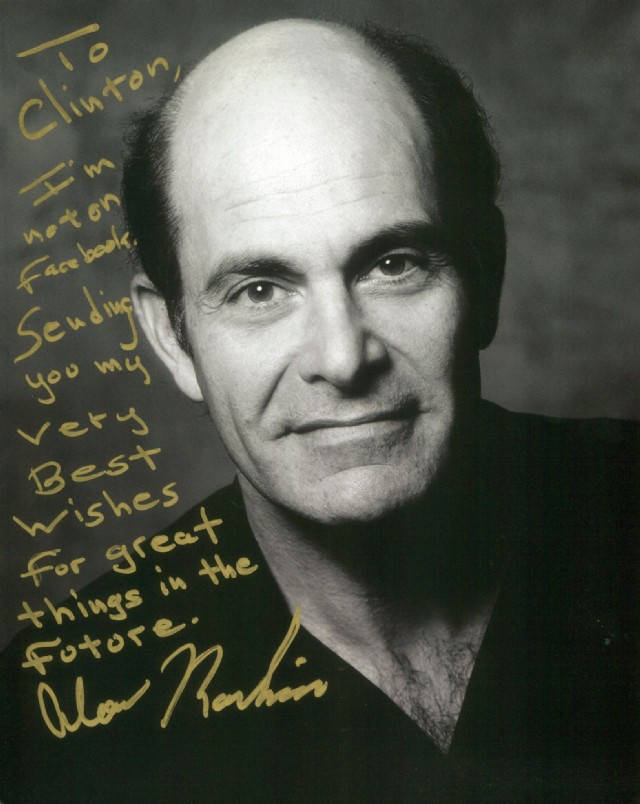
Alan Rankin, an author of great acclaim,
Living the writer's dream, an American name.
Natural talent for crafting a chilling tale,
Rankin, a novelist, whose mysteries never fail.
A mystery writer's life, a story unfolds,
Novels brimming with secrets untold.
Kindness to all, a gentleman through and through,
Indeed, a writer whose works we all pursue.
North American author, a mystery's delight,
Crafting suspense into the dead of night.
Albert Moses – Actor in *A Spy Who Loved Me*
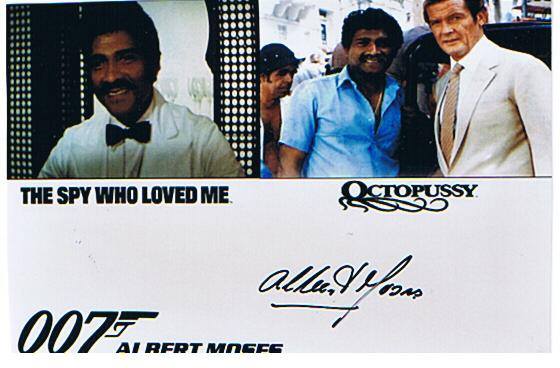
Bright smile of an actor,
Character with a smile so pure.
Dreams of the stage of life,
Strutting upon its stage with delight.
Eye of a Spy, sharp and wise,
Friendly Albert Moses, with Bond by your side.
Grand friend from across the ocean blue,
Honest Albert Moses, an actor so true.
Alfons Schuhbeck
Bavaria's Culinary Legend
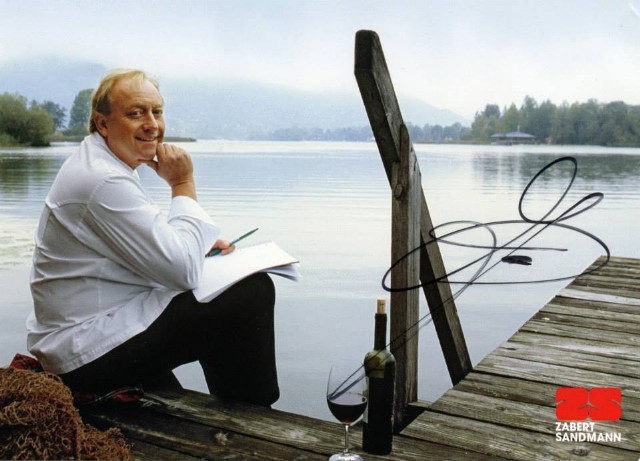
Bavaria, Germany—one of its leading chefs,
A culinary genius with a passion for taste.
Chef with a library of wonderful cookbooks,
Dreaming at the edge of the tranquil lake.
Eternity flavored with pepper or garlic,
Fried or baked—mastering every art.
A German cook for those who savor luxury,
Honesty—a hallmark of a chef’s true heart.
Alissa Czisny – A Skater's Grace
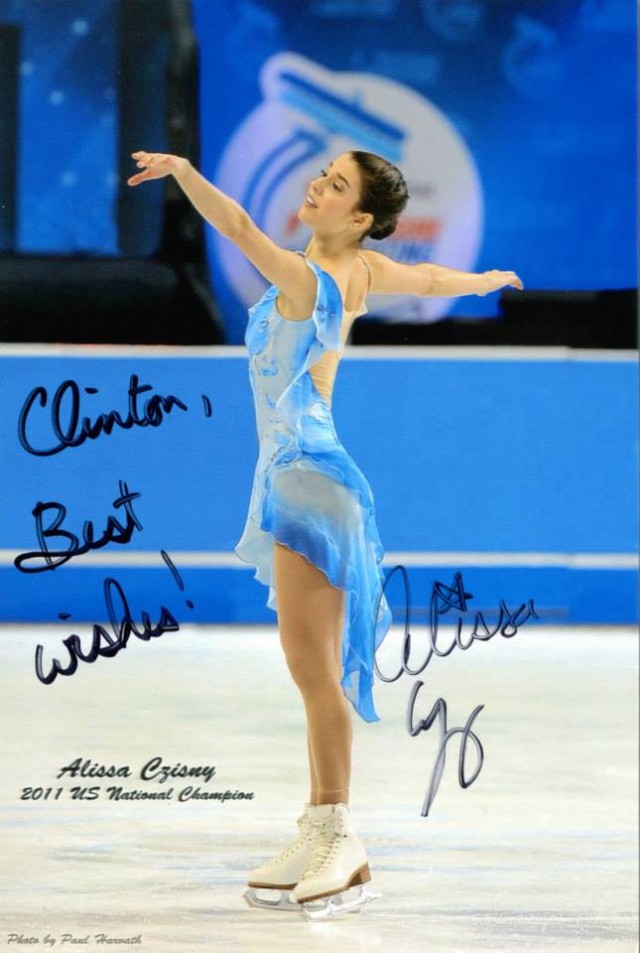
Alissa Czisny, a wonderful skater,
Lived long within the laughter of skating’s theater.
Indeed, a national champion, so bright,
Skating this way and that, a true delight.
Skating, dancing, smiling away,
An amazing skater of the day.
Czisny, a last name known far and wide,
Zigging and zagging with graceful pride.
In fact, what a way she skates today,
A skater with a smile that lights the way.
Her attractive smile, a sight to behold,
A memory of beauty, a story untold.
Alyssa Milano – A Smile to the World

Actress shining with grace and light,
Living life with laughter, pure delight.
You bring joy with every smile,
Sensibility in your acting style.
So lovely, you light up the screen,
Always kind, always serene.
Milano, a name we all adore,
Inspired by you, we ask for more.
Love and laughter follow your way,
Acting on stage, each and every day.
Never dull, always full of cheer,
On the screen, you’re always near.
Angela Oberer - Passing a Moment
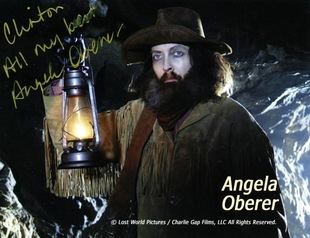
Angela Oberer passing a moment,
Born and raised in Springville, Utah.
Confessions as Dr. Cheryl Givens,
Dream big, smile wide, beautiful eyes.
Eyes such colorful eyes.
Friend from a long time ago.
Girl with a lovely smile.
Happy smile.
In fact, a lovely actress.
Angela Oberer – Actress and Voice Over Artist
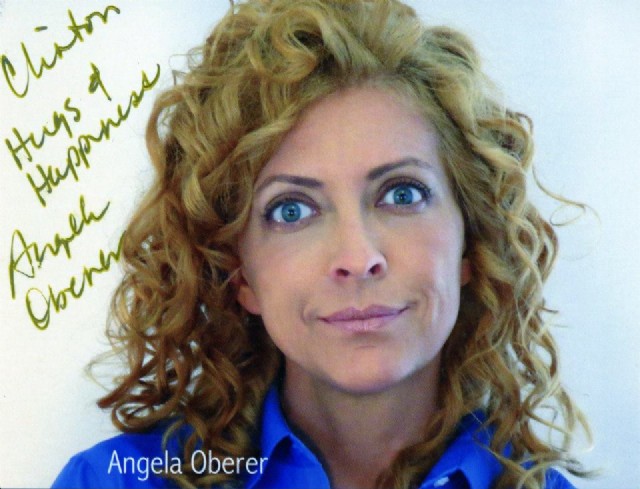
Angela Oberer, an actress, shining bright,
Native Utahan, fourth of nine, a family of might.
A girl with a beautiful smile, her voice on the rise,
In voiceover, her work is a treasure to the eyes.
Eternity will remember her as a stage performer,
A lady with grace, lighting up every corner.
Life is an art form, in television, film, and scripting,
About family, smiles, and the joy of connecting.
Oberer, her last name, a scriptwriter at heart,
Believing that love is an enactment, a beautiful art.
Events unfold in commercials and media, life’s stage,
Reality is but a moment, a performer’s wage.
Even on television, film, or Internet stream,
Life is but a stage, where dreams gleam.
Reality is what you make of it, a performance on display,
In every role, in every scene, she shines today.
Anne Hathaway – A Wonderful Actress
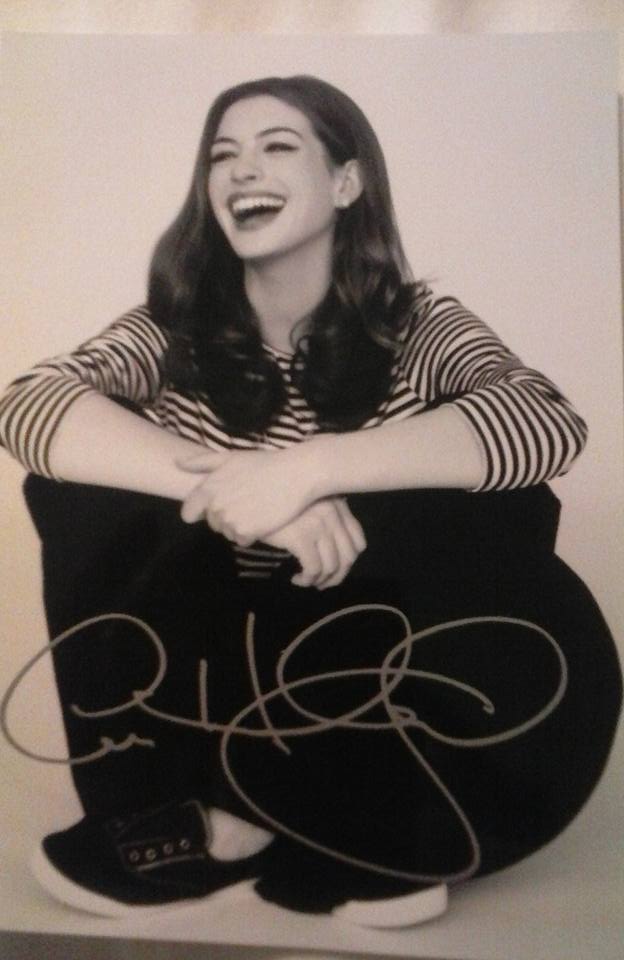
Anne Hathaway, a wonderful actress,
New Yorker actress, with talent so gracious.
Academy Award, Golden Globe, and an Emmy to her name,
An award-winning actress, in the world of fame.
Hathaway, an Emmy winner, truly divine,
Actress with a smile so bright, it always shines.
Time will remember her beautiful smile,
Hearts glad to see it, making life worthwhile.
An American actress, admired by all,
Waiting in time, standing proud and tall.
Anne, with a wonderful smile,
A lady whose charm will last for a while.
You are a wonderful lady, bright and true,
Your acting skills, shining through and through.
Morena Anne Murray - Canadian Singer (Pop, Country, and Adult Contemporary)
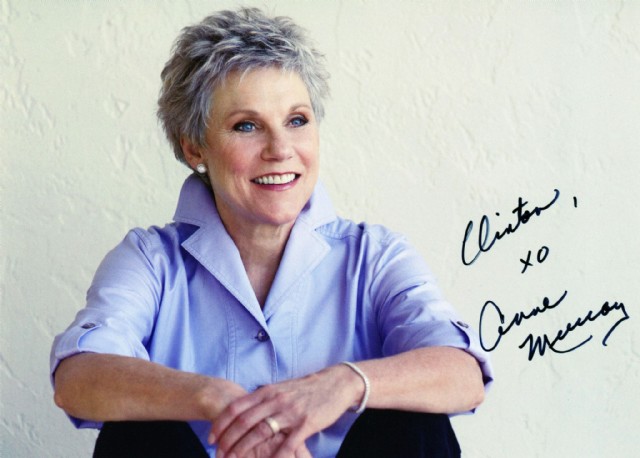
Morna Anne Murray CC ONS, known as Anne Murray,
Nice Canadian singer in pop, country, and adult contemporary music.
Operation of singing albums have sold over 55 million worldwide.
Pop singer with millions sold.
Queen of Canada music, if truth be told.
Reality a lovely smile.
Singer of music.
Time is eternal for those that sing.
Up on the stage of life singing.
Vivid smile of a wonderful lady.
Winning awards for pop, country, and contemporary music.
Surprised by Joy.
Up on stage of life overjoyed.
Reality of pleasant joy.
Purpose of astonishing.
Running for joy,
I see the joy.
Surprise everyone with joy.
Eternity is closer than you would expect joy.
Destiny is calling surprise by joy.
Be joyful.
You need to enjoy.
Joy fullness is surprising.
Open delight
You need to enjoy.
Zig-zagging the fame of life.
Amanda Ammann – Miss Switzerland
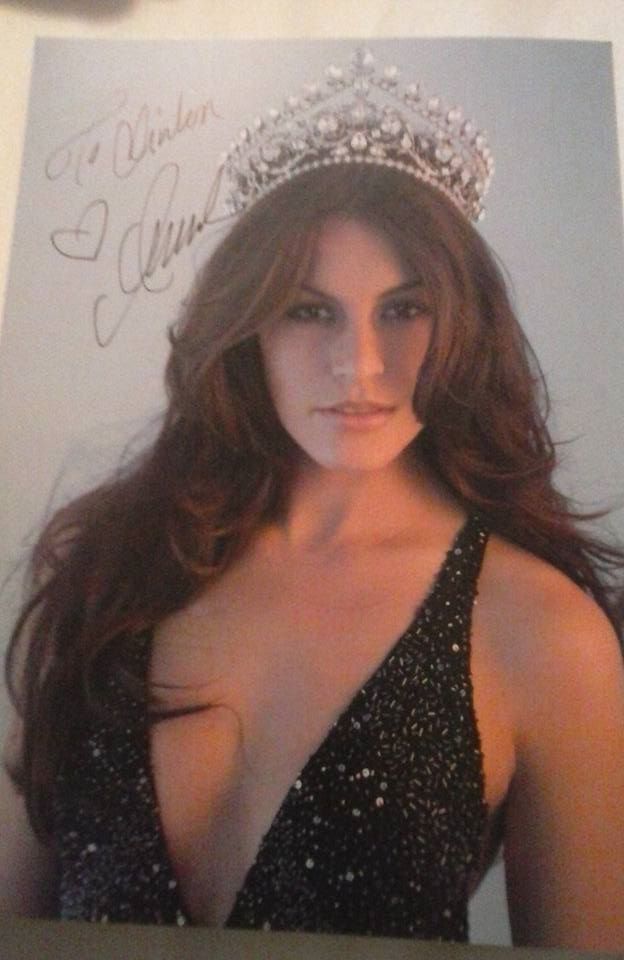
Ambassador of beauty, elegance, and grace,
Mind for international relationships, embracing every place.
A spokesperson for many brands, so bright,
Nice eyes of a beauty queen, shining with light.
Dreaming of Switzerland, where the mountains stand,
Ammann, her last name, a queen of this land.
Actively representing beauty with pride,
Miss Switzerland, standing with nothing to hide.
Majestic in her presence, with poise so fine,
A woman of beauty, inside and outside, divine.
Nurturing dreams, she leads with grace,
Never fading, always shining in every place.
Atalanta Harmsworth - A Star of Stage and Screen
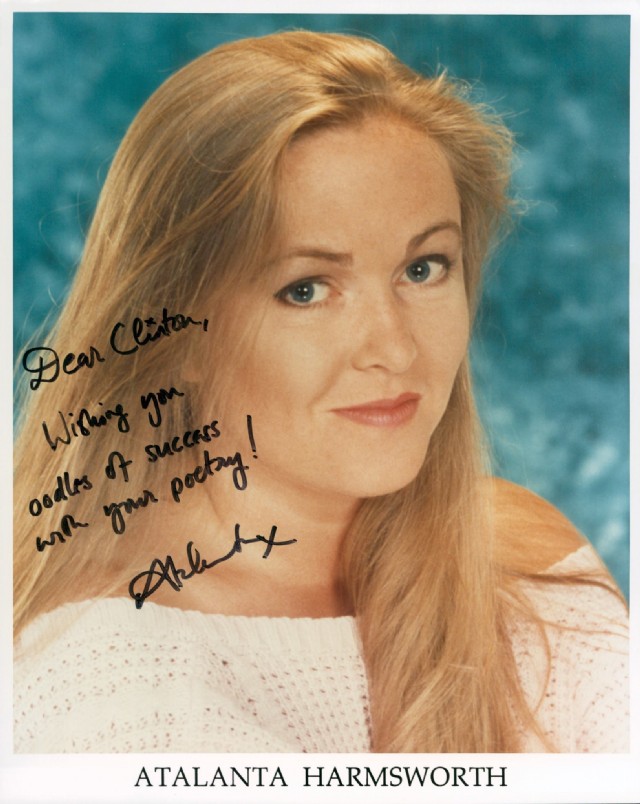
Atalanta, a star of the stage and screen,
Britons embrace her talent, a timeless queen.
Christmas joy she brings with Kracker Bongo's flair,
Dazzling in roles that show she truly cares.
Eternity will remember her radiant smile,
Friendly warmth that bridges every mile.
Graceful and kind, a beacon of delight,
Honest and true, her charm shines bright.
In England’s heart, she claims her place,
In every scene, she leaves a trace.
Audrey Landers – Actress and Singer
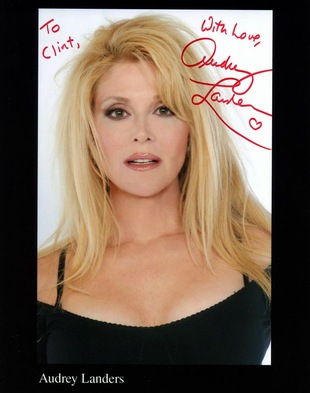
Audrey Landers, an actress in the world performs,
Unique in French, German, and English-speaking norms.
Dallas, wonderful, beautiful lady on acting stage,
Reality is but a moment to an actress in this age.
Eternity remembers her in television, movies, and singing,
Your help to this poor poet is all I can say, bringing
Inspiration in your family, acting, and music’s embrace,
A lady whose presence leaves a lasting trace.
Landers, a last name of an acting, singing family,
Actress in one of America's most beloved families, truly heavenly.
Next step within a wondrous family’s grace,
Dear lady, enjoy your family, your love, and your space.
Eternity of smiles, charm, and happiness may reign in your family,
Reality is what I will remember you for, in your family.
Seasons come and go within a Dallas family,
And your legacy will forever live, eternally.
Benjamin Ray Bailey
Comedian & Game-Show Host
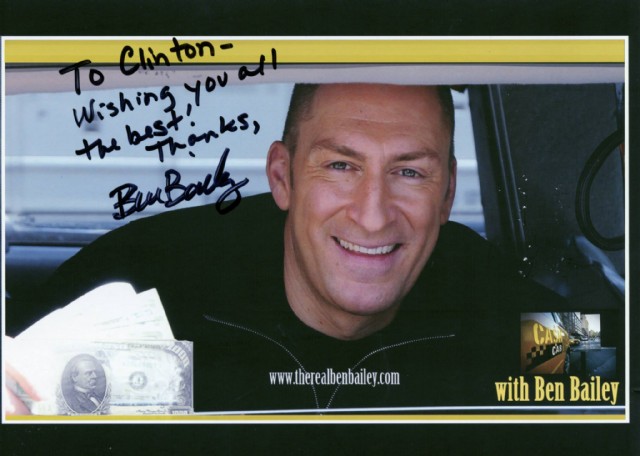
Benjamin Ray Bailey, a comedian so bright,
Emmy Award-winning, a game-show delight.
A New York taxi driver, with humor in his hand,
Making people laugh across the land.
Executive producer for Cash Cab, it’s true,
Discovery Channel’s star, bringing laughter anew.
An American making people smile,
His humor, a journey, going that extra mile.
In the cab, he’s the driver, steering with care,
Living for laughter, spreading joy everywhere.
Eternity of laughter, it’s his gift to give,
Yorkist laughter, where happiness will live.
Bernard Cornwell – Author of Books
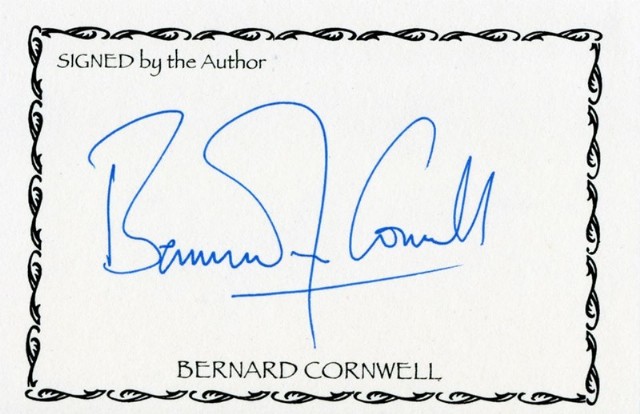
Bernard Cornwell, an author of books,
Eternity as an author, where time never looks.
Reality is but a moment in time, fleeting as a book,
Never wavering, always writing, with just one more look.
All the history of time, to dream a new tale,
Reality is but a story, unfolding like a sail.
Dear world, you are a storybook, full of endless dreams,
Pages turning ever forward, or so it seems.
Cornwell, a knight of England’s past,
Opening his books to television, they last.
Reality is but a fleeting moment on screen,
Neatly lettering life, where words come between.
Well done for many accomplishments, on page and screen,
Eternity’s a writer with stories so serene.
Livelihood and laughter, love in every word,
Life is alive with writers’ dreams, so absurd.
In every book, in every story, he’s done it right,
A writer of timeless tales, forever in sight.
Bernice Haydu – WASP Pilot of WWII
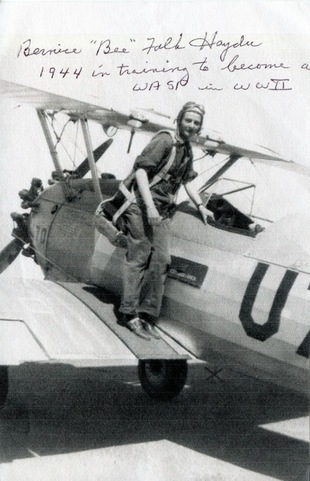
Bernice "Bee" Falk Haydu, a legend in the air,
Eternity will remember her as a queen, flying without care.
Reality; she was a daredevil, soaring high and free,
Nice smile, a living legend in the Women’s Airforce, you see.
Indeed, a pilot of WWII, a trailblazer in the sky,
Civil, sweet, and gentle, with a smile that could never lie.
Eternity remembers her as a WASP, a hero of the air.
Haydu, her last name, a mark of aviation’s pride,
Air Force pilot, with courage as her guide.
You would see her soaring, as a fearless skybound dreamer,
Dreamer of flight, a pilot who only grew steeper.
Unique in spirit, a lady pilot, bold and bright.
Her legacy lives on, as high as the stars,
A WASP in WWII, a legend who went far.
Bob Barker – Game Show Host Legend
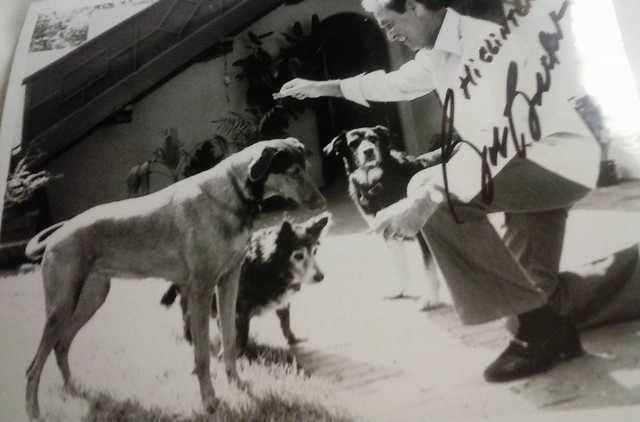
Bob Barker, with an open face smile so bright,
On TV screens, lighting up the night.
Barker enlisted in the Navy, brave and true,
Rising to fame, as a host many knew.
With a smile that welcomed all, inviting each guest,
In the Price is Right, he gave his very best.
Life was a game show, full of fun and cheer,
Laughter and joy, bringing people near.
Barker, come on down, the audience would cry,
America’s favorite host, a star in the sky.
Reality is about winning, where chance reigns free,
Kind and generous, he made us all see.
Eternity will remember, the Price is Right stage,
Reality is about chance, the thrill of the age.
Bob Barker, with warmth and grace, always kind,
Remembered for the joy and laughter he left behind.
In the hearts of many, his legacy will stay,
Never forgotten, in every game played today.
Gone from the stage, but his spirit lives on, forever bright.
American Hockey Mascot

American Hockey Mascot
Amazing Bruin, Boston Bear Blade
Bravely skating, a mascot in the fray
Censored poetry, but dreams won't fade
Determined, each player aims for the cup
Every player on the team loves the bear
Friendly and fun, waving here and there
Great smile, the mascot loves to share
Hockey mascot, the Bruin, in German Bear
Blade Boston Bruins Hockey Bear

Blade Boston Bruins Hockey Bear, living life with love, so rare,
All tied with laughter, in the spirit of a hockey bear.
Dear bear, thank you for the autograph, cherished with care,
Eternity will remember you, a hockey bear beyond compare.
Boston, a city full of dreams yet to unfold,
Open streets, lovely homes, but not the dream we’re told.
Skating within, a championship dream to pursue,
Time for this city's reality to make it true.
On the ice, winning each game with skill and cheer,
Never worried about the crowd, as victory draws near.
Remember the Bruins Hockey Bear, forever in our hearts,
Uniquely a hockey bear, playing his part.
Indeed, a kind bear, with a spirit that shines,
Nice to see a team spirit that always aligns.
Silly old poet, life should be as carefree as a bear,
Hockey dreams alive, without a worry or care.
Life, like the bear, should be lived with love and cheer,
And with each dream, we all draw near.
Brad Greenquist – Actor and Monster Maker

Brad Greenquist, monster, actor, make-up worker,
Reality is but a fleeting moment for an actor worker.
Actor, a dedicated and hard-working soul,
Dear, your passion gives each role its goal.
Greenquist, a last name etched in lights of fame,
Reality bends when it’s time to play the game.
Eternity remembers a pet long gone,
Even turning green for roles he’s taken on.
Nice and pleasant, an actor so true,
Questing through Star Trek, seeking something new.
Uniquely crafting stories in the space scene,
In fact, a life well lived on the stage and screen.
Scenes of wonder, thrill, and delight,
Time as an act, shining forever bright.
The Brady Bunch – A Blended Family of Nine
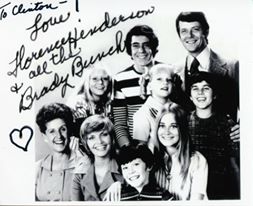
The Brady Bunch, a blended family of nine,
Heaven is calling Alice dear, they've called you home divine.
Eternity will remember your smiles at home,
Brady, a last name cherished and known.
Realities shift, some sad, others great,
Acting turned life into a stage for this beloved eight.
Dear family, how life has evolved and grown,
Your moments together forever brightly shone.
Bunch, a word symbolizing a family so true,
Uniquely crying, laughing, and singing anew.
Nice memories of a goat mascot once stolen in jest,
Chances for joy filled each moment, blessed.
Homeward bound are some members now,
But their love remains eternal, guiding somehow.
Brittany Guidry – Miss Louisiana USA 2014

Brittany Guidry – Miss Louisiana USA 2014
Reality shines for a beauty queen,
Indeed, a radiant queen supreme.
Time will remember her elegant reign,
A moment on stage, beauty unrestrained.
All those dreams, the crown to attain,
New queen crowned with grace to sustain.
You are a captivating beauty queen.
Guidry, a name of charm and grace,
Unique smile lights up every place.
In fact, eyes so dreamy and true,
Dear lady, the world looks up to you.
Reality, a fleeting yet dazzling view,
You are timeless, beautiful through and through.
Bruce Hayes American Olympian Swimmer
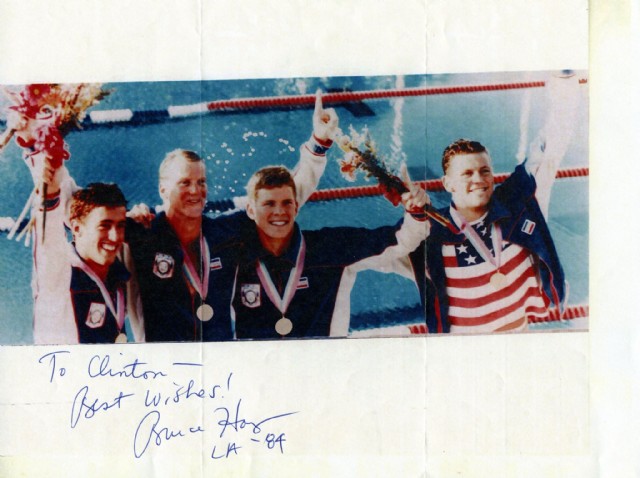
American Olympian Swimmer
American swimmer, an Olympian proud
Bruce, team player, swimming's true vow
Champion in swimming, he rises the best
Dreams of gold and bronze, passing the test
Events to remember, in swimming’s embrace
Finding life’s meaning, in the race
Great swimmer, in the pool so fast
Honest in style, in the moment, vast
Bruce, team player, swimming's pride
Champion in swimming, with victory as his guide
Dreamed of winning, gold and bronze
Events he conquers, a swimming response
Finding life interesting, Olympic dreams
Great swimmer, his effort beams
Hayes speaks the truth of his style
Cady McClain – Writer and Daytime Drama Actress

Cady McClain – Writer and Daytime Drama Actress
A writer and actress with talent so divine,
Cady McClain shines in every storyline.
Daytime drama graces her endless flair,
You are forever young, restless, and rare.
McClain – a name that echoes on stage,
Coolly falling in love, emotions to engage.
Coldly forgetting, yet moments stay bright,
Life lived in a soap opera’s light.
A marvelous actress, a heartfelt star,
Indeed, a queen where the dramas are.
Nice and kind, her warmth does shine,
This splendid actress, forever sublime.
Caitlin Dechelle – Stunt Performer with a Lovely Smile

Caitlin Dechelle – Stunt Performer with a Lovely Smile
Caitlin Dechelle, a star with grace and style,
Acting, fighting, grinning with a lively smile.
Time will mark her legacy, forever shining bright,
A life of laughter, acting, and stunts in flight.
In fact, a true stunt star, a wonder to behold,
Nice eyes, a radiant smile, and courage bold.
Posing here, performing there, always a shining light,
A charming presence, a star burning bright.
Dechelle, a name known far and wide,
From Europe’s stage to the world, she takes pride.
Eternity will remember her beauty and art,
Cheerful and daring, she’s won every heart.
Her stunts defy gravity, a wondrous feat,
Even her flying kick is a vision to meet.
Live life with laughter, embracing every dare,
Love shines in her stunts, a beauty beyond compare.
Eternity is grateful for this star so rare.
Carola Maria Häggkvist – A Swedish Singer
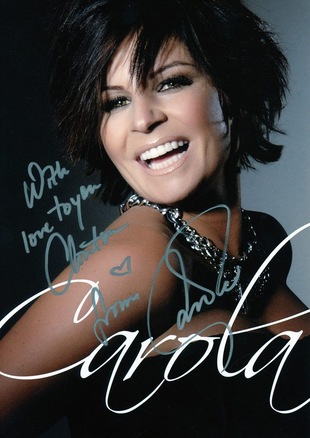
Carola Maria Häggkvist – A Swedish Singer
Always singing, her voice carries the song,
Reality shines bright, where melodies belong.
Open microphone, a pop gospel star,
Living with laughter, her music reaches far.
Always embracing the rhythm of her heart.
Häggkvist, a name of beauty and grace,
Always tuneful, a voice time can't erase.
Giving spirit to air, her songs take flight,
Grateful for the joy she shares, a pure delight.
Kind to her fans, her autograph cherished,
Visibly radiant, her smile never perished.
Indeed, her happiness makes the world sing,
Sensing the wings her voice can bring.
Time is fleeting, yet her music forever rings.
Caroline Harris – A Wonderful Dancer

Caroline Harris – A Wonderful Dancer
Acting out and exercising her princess kiss,
Reality exists but a moment in time with a kiss.
Open to flip, splits, and dancing with grace,
Living within love and laughter, her rhythm in place.
Indeed, Caroline is a splendid dancer,
Needs a marvelous smile, a shining enhancer.
Eternity will remember her smiling drill,
A dancer whose moves forever thrill.
Harris – a last name of an LA Kiss Dancer,
All day hoping for her charming kiss,
Reality is but a moment in time, pure bliss.
Reality is but a moment for the rhyme of a dancer.
Indeed, thank you for the time, Caroline,
Sense the rhythm with the beat as a dancer.
Catherine M. Wilson
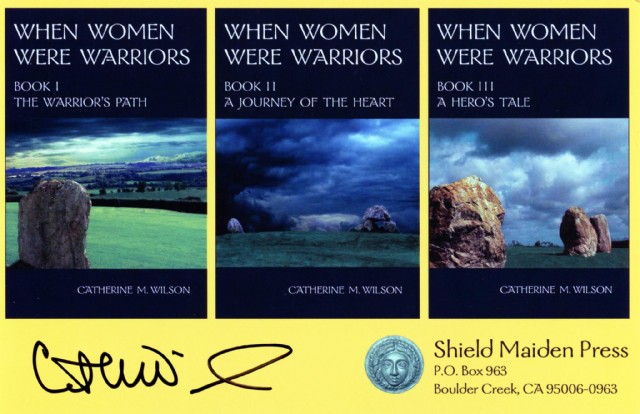
A Woman's Poet
A woman's poet with thoughts so deep
Beautiful words of a woman’s keep
Catherine M. Wilson, a poet of grace
Dreaming of journeys, the heart’s embrace
Every poem a hero’s tale to tell
Finding a warrior’s path, where dreams dwell
Girls love to read poems, by Catherine’s hand
Honest in life, as a woman, she’ll stand
Catherine M. Wilson – A Writer of Books
Catherine M. Wilson – A Writer of Books
Cecilia Hornus – Lovely Actress in *Plus Belle La Vie*
Charisma Carpenter – Actress
Charlie, a man among men, steadfast and true,
Carlos Irwin Estévez lives a life so bold, Charlie Strong, both coach and player,
Christine Theiss – World Champion Kickboxer Photo of Cliff Anderson (replace with actual link) Autograph collector, American writer, so grand Beauty surrounds Mr. Anderson’s hand Cliff Anderson, a person of mystery Drinking water from streams, writing history Enjoying life's greatest dream, so serene Friendly soul by the sparkling stream Great collector of autographs, renowned Honest writer whose words astound Indeed a talent, with collections profound A Dutch band formed in twenty-thirteen, A lovely smile of a president. Beauty is wonderful, shining on the stage,
Daniel Hayes – Author of Books
Daniela Romo – A Magnificent Mexican Actress
David Dinkins – Professor and First African American Mayor of New York City
Dawna Heising – Actress and National TV Host
Deborah Norville – Recorder of Time
Delilah Rene Luke – Radio Personality, Author, and Songwriter A lovely smile of a queen.
Dietmar Hopp – Software Billionaire
Dominik Bender – Actor
Dominick Fink – Miss D.C. Teen
Eric Braeden – German Actor
Elvi – Artist
Eva and Vašek, a duo so sweet,
Fleetwoods' music, wonderful and bright,
Florence Henderson, a lovely actress, so sweet,
Gabrielle Reece, a wonderful volleyball player,
Tyler Hubbard, Brian Kelley, singers so fine,
Gig Morton, born in Comox, British Columbia, Canada, Actress with a smile that shines so bright,
Gina-Raye Carter, an actress with a radiant smile, An American queen with a radiant glow,
Gretchen Elizabeth Carlson, a commentator of renown, Polite driver with speed in his veins,
Harvey Levin, a host, lawyer, and television reporter,
Serving the Alliance of Free Democrats,
Tarlós—a name Budapest remembers, Austria crowned its queen in ’65,
Jackie Collins, an author of renown, Anita, his alter ego wife in After Dark, Actor as a child, commercials his start, American fighter, Jason DeLucia's name,
Jeb Bush, an American politician, Actress Jeanine Anderson, portraying a nurse,
Jeff Foxworthy, a comedian, actor, TV host,
Jeffrey Archer, a politician, writer of fame,
Jerry Kill, a coach with pride, Actress Jessica Tyler, born in Canada,
Joan Lunden, an early-morning host,
Joan Rivers, a top performer in her prime,
Jody Conradt, basketball coach so great,
Joe Donnelly, a leader so true,
John Boehner, Speaker of the House,
John Elnaugh, an actor so grand,
John McCain, a man with a mission so true,
John Malcolm Fraser, a man of might,
Joke Schauvliege a lovely lady,
José Carreras, a tenor of renown, In songs, a lovely singer, with a voice so pure,
Joseph Finder, a master of thrill,
Judi Dench, born in York's embrace,
Juli Tapken, a name that shines so bright,
Judy Cerda, a voice of grace, Judge Judy Sheindlin, of CBS, 1996 to present,
Julianne Moore, a radiant star,
Julie Mare Fernandez, a British star,
Jobs were Jyrki’s noble mission,
Kamilla Senjo, a reporter of grace,
Katey Sagal, with a voice so sweet,
Katrina E. Perkins, a star on the rise, Katja Rieckermann, a "Horn Star" indeed,
Kim Campbell, a leader so grand,
Kristen Stewart, a Twilight star, Krzysztof Baranowski, a sailor so bold,
Laid Back, a name etched in sound,
**John Guldberg** and **Tim Stahl**: Artists with timeless beats,
Lian Ross, a shining star from Germany's heart,
Lian Ross, a true icon of disco, rose to fame with her powerful voice and captivating stage presence.
Lara St. John, a virtuoso with strings of gold,
Lara St. John is not only a Canadian violinist of global acclaim but also a storyteller through her bow. Analyst Lawrence Joseph McReynolds III, Leigh Lombardi is an actress, known for Murphy's Law, A lovely lady writer, with words so bright, Louisiana State University Baseball, a powerhouse team, On a winning streak, chasing the championship dream. Umpires watch as the Tigers roar to glory, In every inning, they write another story. Strong swings and a mighty resolve, they shine, In Baton Rouge, they make the diamond divine. A national legacy, six championships to their name, Nothing compares to their claim to fame. State of Louisiana, where winters are mild, Team spirit soars, where fans are beguiled. A conference champion, proud and true, Tiger pride in every golden hue. Each swing and strike, a moment to savor, University pride and baseball flavor. Baseball at its finest, a game to behold, As players take risks, fearless and bold. Sitting spellbound, we watch and admire, Every inning ignites the crowd's fire. Batting or fielding, they give it their all, And with every hit, the Tigers stand tall. Life’s a game, whether you play, watch, or pray, LSU Baseball inspires, day after day.
The Louisiana State University (LSU) Baseball Team, based in Baton Rouge, Louisiana, is a legacy in collegiate baseball.
With six national championships to their credit, the Tigers have earned their place in history.
As proud champions of the Southeastern Conference (SEC) and icons of sportsmanship, LSU Baseball combines tradition, talent, and Tiger pride.
Whether you're at Alex Box Stadium cheering them on or watching from afar, their dynamic plays and unwavering determination are a testament to excellence.
Lucie Bílá: The Pop Singer of Europe Unique eyes of a singer Cute lady singing through Europe Indeed lovely lady pop singer of Europe Eyes of a lovely lady living in Europe Bilá the last name of a pop singer In a lovely singer Living life of a song as a singer A lovely singer Magdalena Neuner: The Legendary Biathlete A most successful woman at World Championships Girl with a lovely smile Dreamer with a lovely win Athletic wins in several games Living life to the fullest as a professional biathlete Eternity shows a lovely smile Natural smile Eyes that shine with joy and grace Unique in every way she competes Never forgetting the beauty of the moment Energy that powers her every move Remaining a role model, an inspiration Magnificent lady, full of grace Actress who shows how to live with elegance Girlish charm turned into a lady Dear lady, a model of kindness A lady whose life is full of laughter and love Living with purpose and joy every day Eternity will remember her as a politician, a lady Natural smile, bright and inviting Endlessly alive with acts of kindness Radiates warmth, a true lady in every sense Your presence is a stage, a perfect performance Open to the drama of life, gracefully acting Vividly speaking out with wisdom as a politician Áctress and politician, a true blend of art and diplomacy Reality is her stage, both on-screen and in life You are who you believe, a star in both worlds On the stage of life, acting with passion and truth Vášáryová, the name of a lady with depth and purpose Magicians of the world, casting spells so bright An illusionist trio, shining through the night Great deceivers, masters of their art In 1996, they each played their part Come Dutch illusionists, with a magical plan Unlimited power, a force to behold Nothing is too much, the stories they’ve told Limited reality bends to their will In the time of tribulation, they stand still Magic is real, you can be what you choose In every illusion, a new path to use Time is just a curve in the grand scheme of things Eternity's mystery, with answers untold Dreamers forever, with stories of gold In the stars, from Sagittarius to Orion’s light Open your mind, for the magic’s in sight Never stop dreaming, illusion is true In each twist and turn, the dream comes to you So dream, illusionist dream, in magic's embrace Malena Ernman, a star in the opera world Artist with a voice, so pure and bold Living through chansons, jazz, and cabaret Exploring musicals, where her talents sway Nurtured by love, melodious and true A star whose laughter is like music too Eternity feels brief for a tuneful star Rhythm in her soul, making hearts soar far New sounds, old music, blending with grace Making the heavens hear her voice in space Acting on the stage, a life filled with song Never stopping, her music plays on strong Ernman is the name, known across the land In every note, a legacy she will stand Singing with grace, a story to unfold All is wondrous for a star to behold New and old music in her voice does sing Making hearts dance with every note she brings A melodious star, shining ever bright Love of bobsledding, a thrilling game, Mariel Leigh Zagunis, a sabre fencer so bold, Mark Brine, a voice so true and clear Artist of country, gospel, blues so dear Rock and folk, his music fills the air Kindness and soul in every song he shares Brine, a name that echoes through the night Reflecting Jack Frost's music in the light In every tune, a story to be told Never-ending melodies, timeless and bold Eternity feels friendly, with music so free Reality fades as he sings on stage Energy flows from the musician's page A moment in time, but his songs remain Listen and feel the power in his refrain Indeed, the stage is where he belongs The music carries on in endless songs You can hear it—kindness in each line Mark Fox, an American with a smile so bright Amazing coach with wisdom and insight Reality in basketball, teaching with grace Kindness in every play, leading the race Fox, a last name that echoes in sports Outstanding coach who excels in all courts Xciting the crowds with each game’s call A coach more known than math or physics lore Captivating players, teaching much more On the court, his leadership is supreme Always inspiring, with a team-focused dream Coaching with passion, pushing to succeed His legacy grows as players take the lead Mary Jane Heath, a filmmaker with skill, Maureen McGovern, beautiful and bright All life is fun, shining with delight Uniquely playing roles with grace Running from here to there, embracing every space Eternity is but a moment in time, everywhere Even for a great actress, with talent so rare Never giving up, acting with flair McGovern, a name that rings through the years Calling her by name, we hold her dear Giving autographs, spreading her light Over and over, acting through the night Variety is the actress’s game Eternity will remember her name Reality is fleeting, but acting is forever Never giving up, living with love and laughter’s tether Maxi Biewer, forecaster of the weather’s call Actress with many talents, graceful and tall Xtraordinary, her talents go beyond the skies Incredible eyes, as captivating as the skies Biewer, a name known in TV’s bright light In fact, an actress with charm so bright Eternity is but a moment, for a star in the game Winning personality, with a smile that’s her fame Eyes that shine brighter than the weather forecast Reality may be fleeting, but her presence will last Biewer, known for her elegance and grace In her acting and forecasting, she finds her place Every role she takes, she brings to life Reality’s a moment, but her legacy’s rife Eternity will remember her, her talents will remain Reality is but a moment in time for such a star’s gain
Michael Cartellone – A Wild Hard-Rock Drummer Michael Heltau, a wonderful voice to sing Incredibly gifted, his performances bring Character of a great actor, so full of grace Honorably acting, with poise in every place Acting on the stage of life, with passion and pride Eternity’s a moment in time for him to shine Live within laughter, acting with joy so divine Heltau, a name known in both acting and song Eternity feels brief, but his voice is strong Loving life within laughter, he sings with cheer Time is fleeting, yet his music stays near Acting offstage, his voice still sings the truth Uniquely bringing life to music, love, and youth Mike Cornett, a leader in the city's light Indeed, a mayor with a vision so bright Kind and smiling, bringing hope to all Eternity will wonder what he’ll do, standing tall Cornett, a name that leads with pride Oklahoma City’s mayor, guiding with stride Reality is but a moment in time, as he makes plans Needing help from state, county, and federal hands Eternity’s a moment when budgets don’t align Time moves fast; he knows when cuts are in line Time is crying, as programs must be cut Overcoming challenges, working through the rut A lawyer, politician, and author too, Indeed, a pretty smile and beautiful eyes, an advisor so wise Living with love and laughter, guiding art to the skies Life is too vital, in love with the world of fine art Eternity spent close to masterpieces that touch the heart Reality is but a moment for those who admire art's grace Gaffney, a last name known in the world of art advice Art expert, guiding collectors with vision precise Fine art advisor, with expertise to share Fun with art, exploring beauty everywhere New York art expert, discerning with care Eternity is spent with fine art, a timeless affair You enjoy fine art, guiding the future with skill and flare Natalia Lesz, a beauty shining bright Actress, singer, songwriter, full of life and light Time has cast her on Broadway, a star on stage Artists in her songs, setting the cultural page Live a lifetime with laughter, love, and grace Indeed, a heart that cares, with a smile on her face All I can say, thank you Natalia, for bringing joy to this place Lesz, a last name tied to song and acting's art Eternity is but a moment for an actress playing her part Sensed the air of life in New York, an actress so true Zest of life in her songs, in all she pursues Natasha Martinez, a California queen A lovely lady, an American dream Time for a Latino beauty, so full of grace A television presenter, lighting up the space She's a brunette beauty with a smile so bright Honest Miss California, shining with light A brown-eyed beauty, her gaze so pure Martinez, Ms. California, her crown will endure And a wonderful smile she has for the USA Remembered for her eyes, her smile leads the way Time will honor her reign and the love she displays In her crown, she smiles, brightening the USA Noble as she serves with grace and joy Endlessly lovely, every girl and boy Ms. Martinez, a name that reigns supreme Artist in her dress, like a queen in a dream Reality is but a moment in time for her grace Time is fleeting, but her beauty holds its place Indeed, her smile is wondrous and bright Nicely spoken, she shines with delight Eternity remembers the lady with charm Zzz for the queen, her reign brings no harm Neil Diamond, a masterful singer, Novels and films, an author’s tale to weave Eternity is for an author, as stories we believe Live life for the love of scripts and the laughter they bring Sensible bestsellers, making readers sing Over-the-top performances in the words he writes Novels unfold, filled with thrilling heights DeMille is the name that stories tell Eternity for a writer, where his words dwell Memories are but moments in time, within an author’s mind Indeed, a wonderful writer, with wisdom intertwined Live within the love of writing, deep and true Love for film and stories, creating worlds anew Eternity remembers this noble writer’s craft Patriotic all-star, a player with might A time to play ball, under bright stadium light Training her teams with strength and grace Summitt, a coach, leading with pride in every race Ultimately a winner, in every tournament, grand Memories made, as she guided her team’s hand Making history in the 1976 Olympics, her mark to claim Inaugural women’s tournament, setting the game aflame Title wins in NCAA, 8 championships so bright Tournament victories, cementing her legendary fight Sixteen SEC tournament wins, with excellence in her stride Unique, a force in the SEC, where success did reside Memories of basketball, her legacy stands tall Made on the court, forever remembered by all In the court, a champion, her teams did shine Never backing down, her strategies divine Endless dedication, a team player’s soul Summitt’s story forever will be told, her role Patryk Pachura, race car star, Passionate coach, leading his team to win American dreaming of football bowls within Up front cheering, coaching with pride Living the life of a football coach, far and wide Chryst, a name that resonates in the game Head coach with vision, guiding players to fame Ready for every challenge, with grit and strength Yearning for victory, he goes to great lengths Success in his heart, coaching with care Teaching life lessons, with passion to spare Producer, actor, writer, and director bold Eternity of counter-cultural tales to be told Director of films, with passion so bright Reality is but a moment, on the stage of light Open to strong female characters, his stories unfold Almodóvar, a Spanish wild director renowned Living to tell tales where bold truths are found Making short films into tales that astonish and surprise Operating throughout the world, his films mesmerize Daring to explore emotions in vivid new ways Ópen to exploitation, but with wisdom to stay Vivid short tales, with a twist in the plot Actor of tales, bringing stories to life on the spot Reality is but a moment, his films cast in time Professor and director at Johns Hopkins Institute Eternity will remember Dr. Agre, so astute Time will search for his discovery of Aquaporins' might Eternity is spent on rewards, for his work so bright Reality is change in chemistry, a breakthrough in sight Agre, a chemist whose discoveries still wear Greatly admired in chemistry, with solutions rare Reality is chemistry, each drop matters with care Eternity can be changed with chemistry's flair Passionate coach, honest with his players, true He led as a point guard, always seeing the view Indeed, a coach for the Hawks, guiding with care Living life as a coach, with a love for the game to share Martelli, known for 11 seasons of success Artist of coaching, improving players' progress Reality is but a play away from the win Time is but a point away from the final spin Eternity will remember his coaching reign Live life within basketball, season by season’s gain Love for the game, with a passion that grows Involved in every game, where his wisdom shows never-ending dedication for the sport he’s called to coach Painting with humor, through the strokes of his pen, Hoping that his cartoons will brighten your day again, Indeed, a drawer of dreams, where imagination flows, Living life in the funny pages where laughter grows, Proctor, a name that resonates in the world of art, Reality is but a dream, where cartoons play their part, Open the window to a whimsical time-looper's dream, Cartoonists create joy, or so it may seem, Time is not linear, but circular in nature’s rhyme, Open your mind to the endless creative climb, Reality is but a sad time, if you don’t dare dream, Remember, in cartoons, the world is more than it seems. Pino Caruso, known for his candid ways, In the world of honesty, he often sways. Never afraid to speak his mind so clear, Open to truth, even when it's hard to hear. Giuseppe, an author's name, known far and wide, In his works, truth and honesty reside. Unique in his approach, with words so bold, Speaking out when others dare not be told. Eternity is in question, as honesty reigns, People doubt it, yet in truth, it remains. People question honesty, and some may fear, Eternity needs truth, for it to be clear. Caruso, with his voice, is a force to be seen, As an actor, author, and TV personality keen. Reality is shaped by honesty's grace, Understanding, no lie can truly replace. Speaking out with wisdom, he calls out the same, Open in his truth, honesty's the game. Paul, a senator's last name from Kentucky, Rex Walters, leading with passion and hope, Eternity reflects the dreams of a coach, guiding the team to cope. X-ray vision, knowing when, who, what, and where, When a player will shine, with a coach's care. Walters, a last name tied to greatness on the court, Acting with logic, balancing stats with a player’s report. Living within the love of laughter and the game’s sweet sound, The pounding balls, the energy, where victories are found. Each game, a moment, like the last shot on the court, Reality shaped by the final decision, who will support. Sometimes life is fickle, but on the court, it is rich, In each play, a new story, where passion will stitch. Shooting for the perfect moment, where destiny will align, As the coach watches, hoping for the right player to shine. Roland Martin, a master of the fishing trade, On NBCSN, his passion for fishing is displayed. Landing fish, hosting shows for all to see, American fisherman, a legend in the sea. North American waters, where he truly belongs, Dreaming of fish, where every cast feels like a song. Martin's BASSMASTER career shines so bright, Achievements and trophies from tournaments in sight. Reality TV, bringing fishing to our screens, The thrill of the catch, where passion convenes. In 291 tournaments, he’s fished with great might, Never backing down, keeping his goals in sight. Every cast, every hook, a chance to pursue, Dreams of landing the next big fish, it’s true. Nice lovely smile, with eyes open wide, Nice lovely actress, she shines so bright, Sabaton, guardians of Sweden’s past, All about the history of war, built to last. Believing heavy metal lyrics call for war, Attitude with a slice of history at the core. Time is but a moment, a reality of war, Onward, lyrics and songs about battles galore. Never peace, but the sounds of war evermore. A beautiful golfer, so full of grace, Pretty queen, with grace so true, Savannah Outen, a voice so bright, A pop singer shining, a beacon of light. Very beautiful eyes, capturing hearts in a glance, A songwriter who makes her audience dance. National anthem sung with pride and grace, Now her songs echo in every place. A Disney star, top 20 songs she claims, Hope and dreams are part of her aim. Onward with pop songs, reaching new heights, Under the spotlight, she dazzles the nights. Time will remember her name, it's true, Eternity will sing along with her too. Now and forever, her legacy will remain, Outen, a name that will forever sustain. Şevval Sam, a voice that mesmerizes, Eternity remembers her as a singer who rises. Vivid on screen, an actress with grace, Very talented, she captures every space. A daughter of Leman Sam, a legend too, Lovely as a lady, her spirit shines through. A lady, Şevval Sam, so full of charm, Singing and acting, she brings no harm. Sam, a last name known in the arts, Actress and singer, capturing hearts. Memories of a lady, lovely and bright, Actress and singer, shining light. Sinplus, an award-winning duo in the scene, Indeed, their music is more than just a dream. News of their success, it takes some time to think, Plus their melodies make hearts link. Live in the rhythm of laughter and song, Unique sounds that will always belong. Singing through life with music so grand, Uplifting moments as they take a stand. Sinplus, a name that echoes in the crowd, In music’s embrace, they stand so proud. Never backing down, their songs take flight, Passion in every chord, pure delight. Love and laughter fill their sound so sweet, Undeniably talented, their rhythms compete. Successful and brilliant, their future is bright. Soprano with a voice, so pure and bright, On music’s wings, she takes her flight. Nearing perfection, her voice so sweet, Dear lady, your talent is a rare feat. Reality is but a moment in time, A voice that echoes in every rhyme. Vibrant and powerful, her voice does soar, All who listen want to hear more. Never a note out of place or tune, On top of the world, like a star in the moon. Volume and grace, her music does shine, Only the best, her voice divine. Singing with love, every note with care, Kindness in her eyes, beyond compare. Your voice a gift, a treasure so rare, Radvanovsky, the name of a star, A singer whose talent will travel far. Devoted to music, with passion so pure, Voicing the emotions we all can endure. Always a joy to hear her sing, Never a voice like hers—always king. On stage, her beauty and voice combine, Vocal wonders—she truly shines. So gracious, her music fills the air, Knowing each note is handled with care. You are a lovely singer, beyond compare. Successful coach, a guiding hand, Taking teams to victory, a leader so grand. Every game, a new chance to play, Vivid memories of victories on display. Eternity will remember his winning streak, As a champion, his legacy we seek. Leadership shining, with a vision so clear, Forever etched in basketball history, sincere. On the court, his players will strive, Remembering the passion that kept them alive. Determination and focus, his guiding flame. Alford, a name known by fans everywhere, Living for basketball, showing he cares. Forever chasing a dream, a ball in his hand, Open courts, free throws, every play is planned. Reality is more than a game on the floor, Determined to win, always wanting more. Steven Alford, his name rings clear, A legend in coaching, revered year after year. You've shaped the game with wisdom and grace, Stepping forward, a coach in the race. Stepping into finance with a mind so clear, Time is but a moment in money's sphere. Eternity caught in a fleeting moment's chance, Vanity for those who think wealth is life's dance. Eternity is more than just money and gold, Forbes, a name where knowledge unfolds. Opening minds to ideas both new and old, Reality is more than a story that's told. Belief in the work, the power of the pen, Every article written, a message again. Sense of purpose in what is shared, Finding truth in the news that is declared. Forbes, a magazine that lights up the mind, Opening readers' hearts, making them find, Reality is but a moment in time of thought, Being driven by knowledge, forever sought. Every piece written holds meaning and grace, Showing that wisdom can have a lasting place. Susan Lulli, a beauty with grace, Unique in her roles, a shining face. Sensual eyes, captivating and bright, Acting her heart out on stage, taking flight. New York actress, with charm so deep, Living life in roles that make us weep. Under the spotlight, a role to play, Legacy of a woman who paved the way. Lullaby of words, a story in every part, Inspiring the hearts with an actress's art. Times remembered in Emmy-award nights, Her acting brings beauty in all its lights. Everlasting in “All My Life,” so real, Roles that show her depth, so full of appeal. On the pages of books, a New York Times Best Seller, Living each word like a heartfelt seller. Entertainment’s queen, forever true, Susan Lulli, beautiful through and through. Living life with a soul so pure, Undeniably brilliant, a presence so sure. Lovely lady, on screen and in heart, Loved by all, a true work of art. In every role, she’ll forever shine, Susan Lulli, a star divine. Tania Gunadi, actress so bright, Acting with grace, lighting the night. Not just on screen, but with voice so true, In every role, she brings something new. American and Indonesian in her heart, Giving life to characters, playing each part. Unique in her voice, a gift so rare, Narrating stories with passion and flair. Actress in "The Jetsons," an iconic voice, Delivering performances that make us rejoice. In "Scooby-Doo," she added to the fun, Speaking with skill, like a rising sun. Giving life to "Snow Bride," a sweet role to see, Undoubtedly charming, as it’s meant to be. Narrator in "Such Good People," with wit so bright, A voice that dances, full of light. Dubbing “Zambezia,” in a colorful world, In her voice, a rich story unfurled. Voicing “Possession,” an eerie charm to her name, Every role she takes brings her eternal fame. Her voice shines in “Bob Funk,” with humor so pure, Open-hearted, her talent will always endure. Loving fans heard her in "Pixel Perfect," so sweet, In Disney's realm, she’s a true treat. Never forgetting "The Magic of Ordinary Days," Everywhere she goes, her talent stays. You are Tania Gunadi, shining star, One of a kind, reaching near and far. Undeniable talent in every role, Remembered forever, inspiring every soul. Ted Ferguson, an actor of fame, Tess Broussard, a lady of grace, Enticing the world with a smile on her face. Showing strength, a fitness model true, She captures hearts with her laughter too. Broussard, her last name echoes with fame, Reality captured in the life she proclaims. Open to the world, her beauty displayed, Under the spotlight, her career is made. Showing her heart with elegance and grace, Striding the red carpet, leading the chase. Actress, comedian, always ready to shine, Remembering her laughter, as a star so divine. Dear Tess, your joy and passion inspire, A mother, a lady, whose heart never tires, Carrying strength in each step she takes, Through challenges, she never breaks. Reality is her stage, where dreams are spun, Every role she plays shines brighter than the sun. Smiling with hope, even through the strife, She embraces life as a model, actress, and more, Making the world a better place to adore. In every show, her spirit rings true, Laughing with strength, and love in view. In her heart, compassion and light reside, Never giving up, she takes life in stride. Giving all to the world, with laughter so pure, Reality for her is to keep rising, secure, Every moment, a chance to grow and dream, Acting with hope, in the spotlight’s gleam. Live within joy, and always stay kind, In every performance, her heart we find. Tess Broussard, a beauty inside and out, Your journey is a tale of hope, no doubt. For your photo, for your grace, Remembering you as a star, lighting up the place. Actress, mother, comedian, and more, You inspire us all, we adore. Pray you find joy in your own way, Reality and dreams, in harmony they sway. A lady of strength, forever you’ll be, Your legacy is one for the world to see. A coach of football, once so proud, Tim Scott, a Senator of South Carolina, Anthony Charles Lynton Blair, a name held dear, UConn women, champions so bright, Ursula Bruhin, from Schwyz she hails, Viktor Orbán, Hungary’s guide, Open smile of a lady, so bright, A beauty queen of Montana, so bright, Wolfgang Schäuble, a taxman turned politician, Yasmine Vine, with a radiant glow, >Poetry from Clinton R. Siegle
An author with a trilogy, tales unfold,
Time is reality in the mind, stories told.
Heartfelt handwriting, a tale they carry within,
A book, a journey, where adventures begin.
Eternity is a moment, an author’s voice,
Speaking of worlds where dreams have choice.
Reality is what the mind holds dear,
A book’s reality felt when you’re near.
Indeed, the magic is what you feel inside,
As you read, let your imagination glide.
News is fleeting, but a book’s truth remains,
Life is but a moment, but in a book, it sustains.
Eternity is a concept, an idea divine,
Thoughtfully placed within a book’s design.
Wilson, an author’s name to cherish,
Crafting worlds, where ideas never perish.
Cecilia Hornus – Lovely Actress in *Plus Belle La Vie*
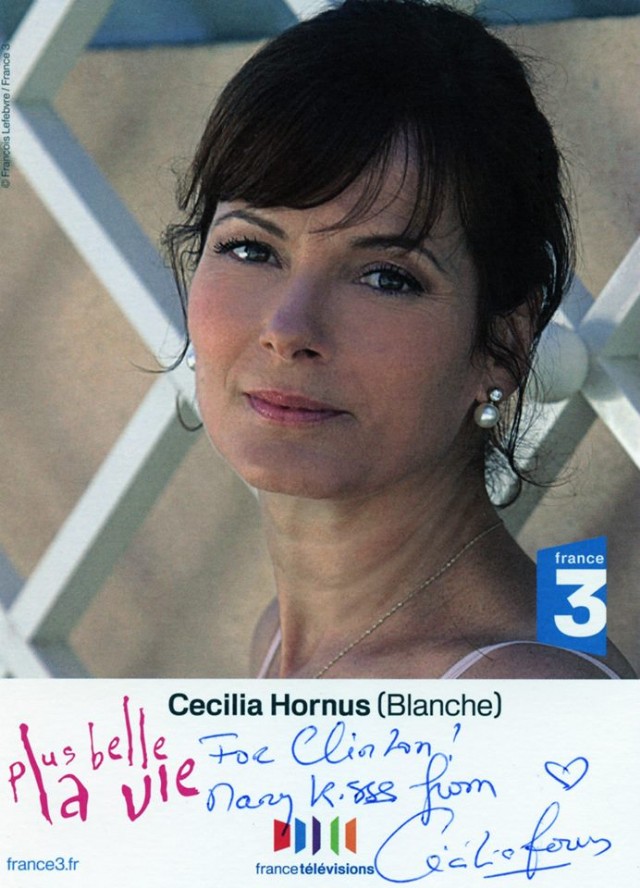
Eternity will remember her grace on stage,
Stepping upon the boards, a timeless page.
Indeed, an actress who shines both on and off,
Living with laughter, her spirit aloft.
From the stage to life, her presence is bright,
A soap opera star, bringing joy and light.
Hornus, a name that echoes on screen,
A television lady with beauty serene.
Reality is but a fleeting moment, it's true,
But a lady’s legacy is forever in view.
A unique life, lived with poise and grace,
A Belgium-born actress, leaving her trace.
Sensible and wise, a lady so bright,
Her performance shines in the spotlight.
Always on cue, bringing life to the stage,
A true artist, writing her own page.
Charisma Carpenter – Actress
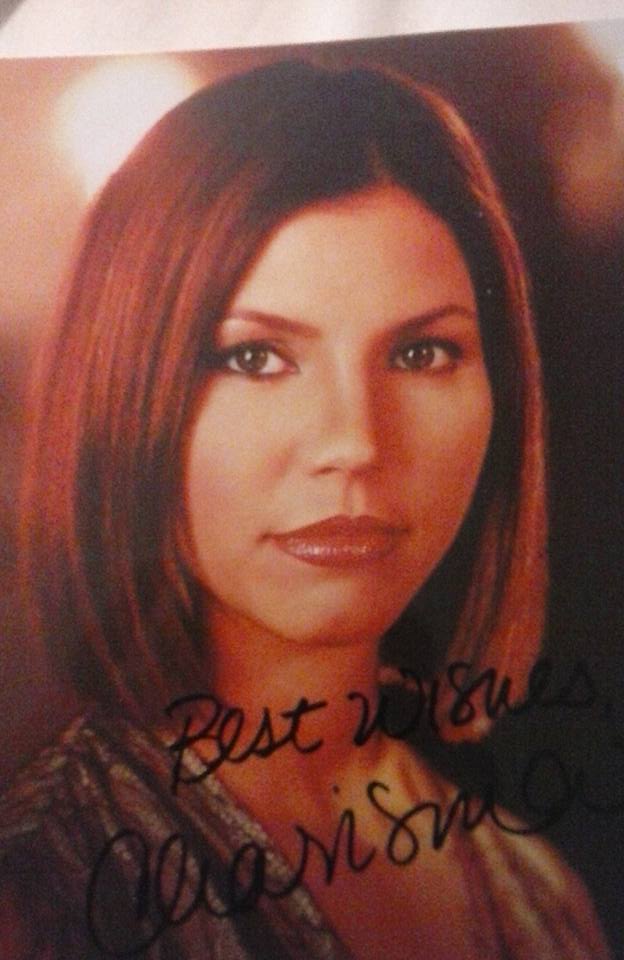
Charisma Carpenter, a name we know,
A talented actress, with a smile that glows.
Honest and real, with charm that shines,
Her personality, a beauty that aligns.
A motion picture lady, gracing the screen,
Smiling away, a presence serene.
Carpenter, a name that echoes true,
With grace and elegance in all she can do.
Eternity remembers her radiant smile,
A lovely lady who shines all the while.
Time spent as an actress, a life well lived,
A smile for the camera, with joy to give.
Her reality is the smile of a lady so sweet,
A lovely actress, her charm complete.
Charlie – A Man Among Men
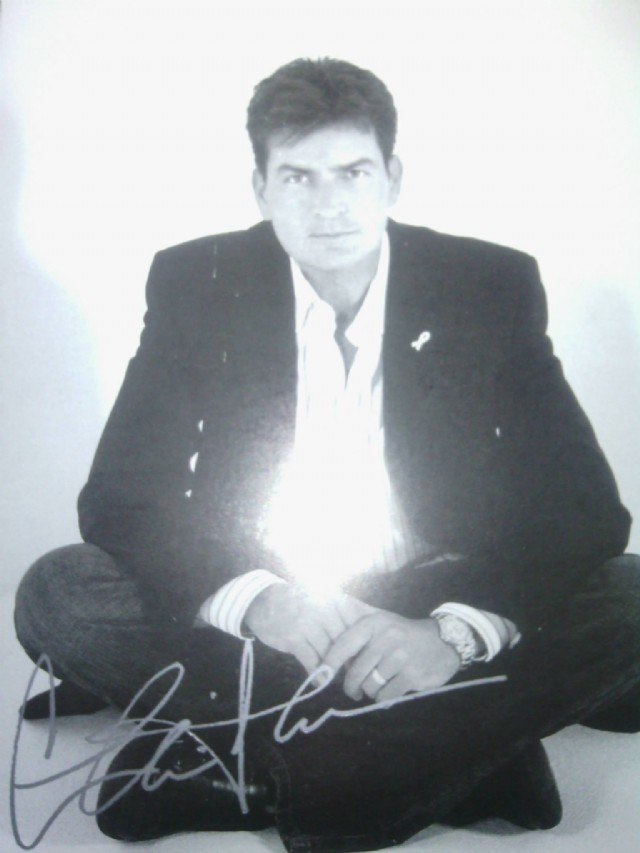
Charlie – A Man Among Men
Honestly working, with more shows to pursue.
Actor, a legendary figure on screen and stage,
A sitcom’s straight man, yet full of comedic rage.
Reality thrives in the laughter he brings,
Living life as an actor, pulling heartstrings.
Indeed, life’s weirdness finds its charm,
When laughter soothes, a healing balm.
Eternity will remember his gift to this place,
A world of men, brightened by his grace.
Acrostic
Dreamer and actor, wild-eyed, uncontrolled.
Eternity holds his wild streak in its embrace,
Living a life of laughter, his unforgettable face.
Charlie Strong
Football Coach & Player
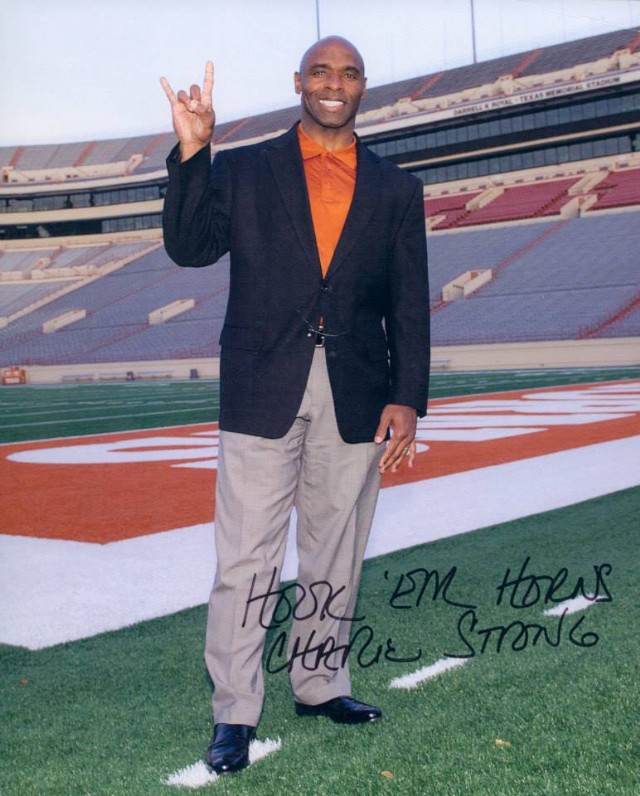
Hoping for a bowl game win, and then another layer.
Athletes running hard, striving to play,
Under his guidance, reaching for the fray.
Reality, just a touchdown away,
With the right players, he’ll lead the way.
Living the life of a magnificent coach,
Building a legacy with every approach.
In Texas, seeking help, to strengthen the team,
Eternity awaits, for that winning dream.
Strong, working hard as a coach,
For a program that’s strong, he’ll never encroach.
They need time, the coach has the plan,
A new program, from the start to the span.
Reality’s eating, sleeping, and training, true,
Opening players' minds with something new.
The goal, a new program, fresh and bright,
For victory and growth, they’ll ignite the fight.Christine Lieberknecht
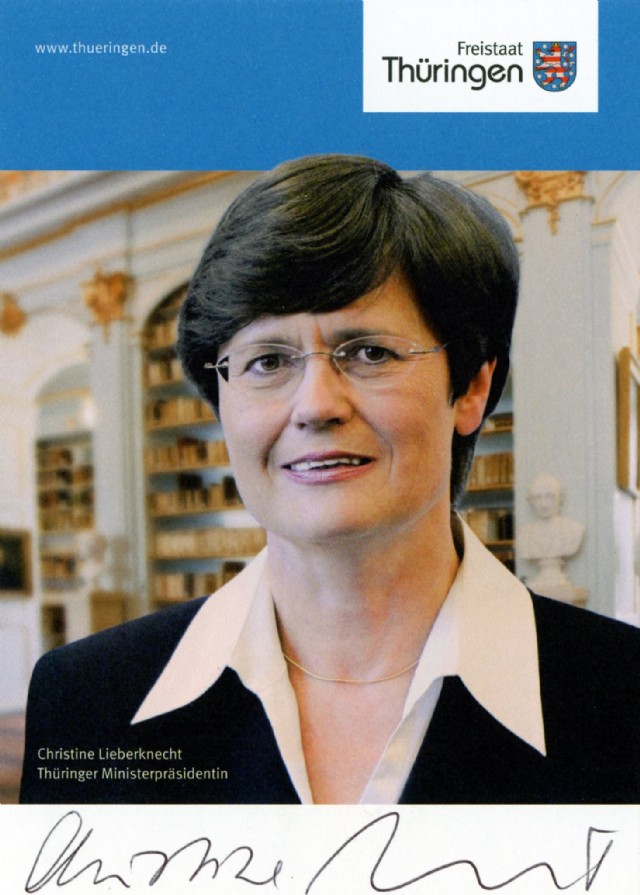
Hope in Christ for Germany
Born in Germany, her mission is equal.
Christine, a leader in the nation's view,
A force in the Christian Democratic Union too.
-
First woman to lead in Thuringia's land,
Her vision, her work, is bold and grand.
A foundation for progress in many ways,
Guided by faith through challenging days.
-
A German lady with Christian grace,
Hope in Christ, for a brighter place.
May Germany turn to faith anew,
In Jesus Christ, our hope is true.
-
Indeed, for change, let hearts align—
To seek Christ's light and love divine.
Christine Theiss – World Champion Kickboxer

A world champion, her kicks take flight,
Honestly hot, a fierce fighter in the night.
Reality exists in every high kick she throws,
A true kickboxer, with strength that shows.
Sensible and beautiful, her feet spin with grace,
Timing is key, she owns the ring's space.
A moment in time, a place to strike,
Her skill, her power, a punch that can spike.
Hair flying as she thrills with every move,
Eternity remembers her, in a prize-winning groove.
Theiss, a name of power and might,
A kickboxer who dazzles with each fight.
Hot and precise, her punches land true,
A spin, a kick, a fighter to pursue.
Eternity celebrates her time in the ring,
A champion, beautiful and strong, forever king.
Cliff Anderson
Autograph Collector
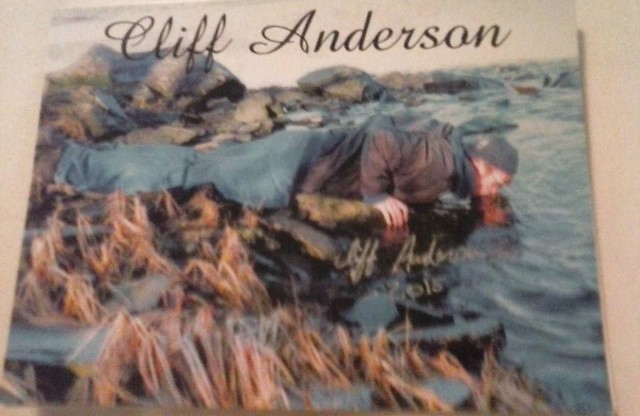
The Common Linnets
Calm After the Storm
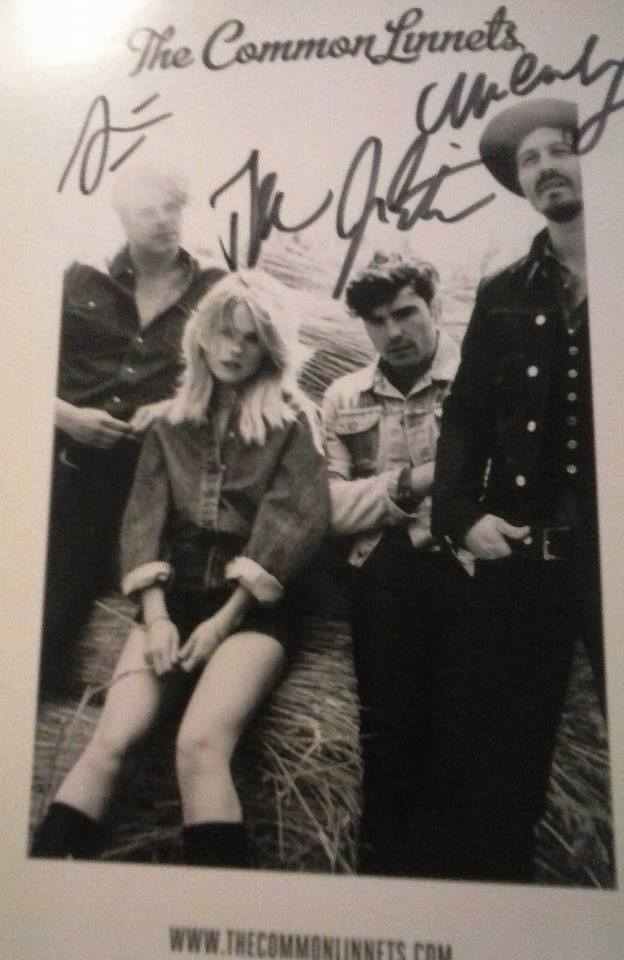
Ilse DeLange and Waylon, serene.
Country, bluegrass, pop they blend,
Music that hearts and souls transcend.
Named by Rens Dekker, with creative charm,
A designer who meant to cause no harm.
"Calm After the Storm" stands out as their best,
A timeless melody, above all the rest.Dalia Grybauskaitė
A Lovely Smile of a President

Beautiful president of Lithuania.
Code name Iron Lady or Dalia Grybauskaitė, leader of Lithuania.
Dreams of a better Lithuania.
Eternity of a dreaming power for Lithuania.
Fierce smile of a president.
Girl with the looks of a lady.
Honesty of a Lithuanian lady.
In reality, a president.
Just a lovely lady president.Dallas Cowboy Cheerleaders
2015 Cheerleaders
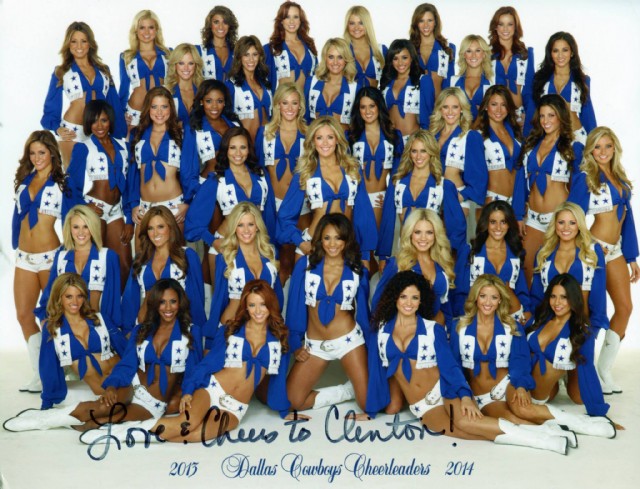
Eternity of cheer, full of grace and energy,
American cheerleaders, leading with pride,
Upping the cheer, with every step and stride.
Time for more leaders, to show their might,
Inspiring hearts, bringing joy to the night.
On the field, they cheer, so bold and bright,
Underneath the lights, they shine with all their might.
Need to cheer, the passion’s clear,
Cowboys’ pride, bringing joy and cheer.
Hope and joy, their hearts remain,
Every performance, breaking the chain.
Energy rises, hearts beat in time,
Reflecting their spirit, reaching their prime.
Leaders of cheer, from start to end,
Every move sharp, on them we depend.
All eyes on them, their spirit bright,
Dallas cheerleaders, in the spotlight.
Daniel Hayes – Author of Books
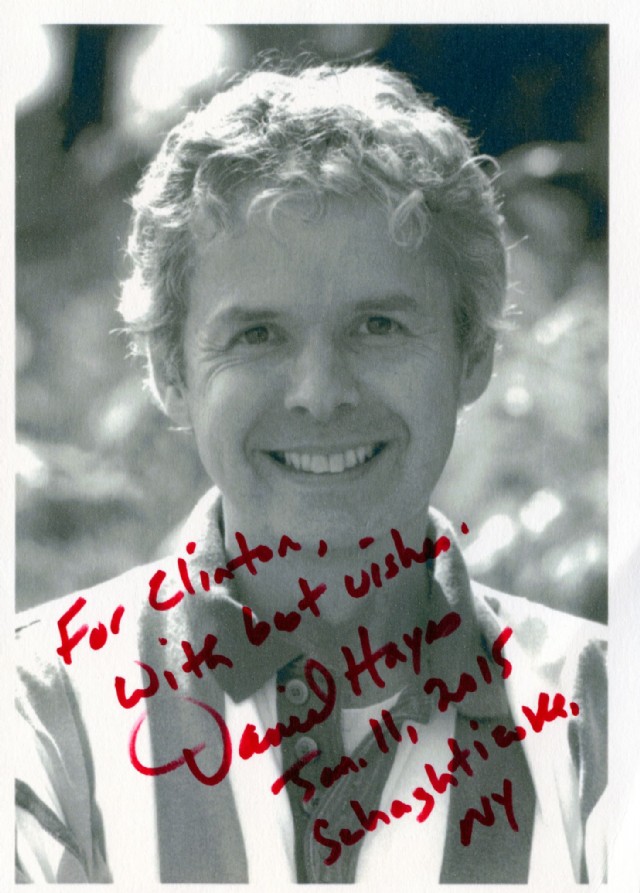
Author of *The Trouble With Lemons*,
A writer whose stories capture minds and hearts.
From *Eye of the Beholder*, a New Yorker’s tale,
With words that linger and never fail.
*No Effect* is a read, profound and wise,
A book to make you question the skies.
Eternity might remember *Flyers*,
A story with depth, and endless desires.
Live life as Mr. Hayes, an author with a pen,
Writing tales that reach the hearts of men.
His words live on, forever bright,
A legacy of stories, both dark and light.
Daniela Romo – A Magnificent Mexican Actress

Actress of many movies, a true star,
Her talent shines brightly, near and far.
A singer with a voice that captivates,
Her songs filled with love, as destiny awaits.
Romo, a name that will forever be known,
Her work and legacy beautifully grown.
Eternity will remember her voice and grace,
A timeless muse, lighting up every space.
Life is marvelous when you live with art,
And in America, her work plays a part.
Daniela Romo, a legend so true,
With every song, she creates something new.
David Dinkins – Professor and First African American Mayor of New York City
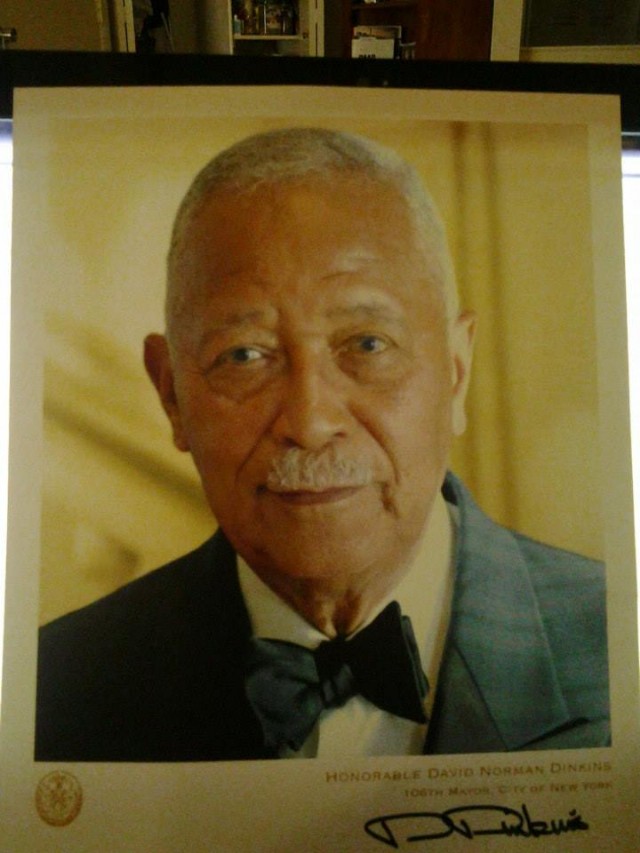
African American, the first mayor of the city so grand,
Variety of lifestyles and politics within the land.
In the assembly, a politician, Marine, and lawyer too,
Dinkins, New York's first African mayor, a legacy true.
A Democrat leading the city’s heart,
Assemblyman, Manhattan Borough President, playing his part.
New York City’s Mayor, a clerk, a Marine,
A voice for the city, strong and serene.
Kind as a professor at Columbia, teaching minds,
Surrounded by the city, where history binds.
In this poem, a thank you from an amputee,
Honoring Dinkins, whose influence we see.
New York City Mayor in the '90s, so profound,
A strong, thoughtful leader, his legacy renowned.
Dawna Heising – Actress and National TV Host

Dawna is a lovely dream, a star so bright,
Actress from California, her dreams take flight.
Winning awards, her eyes shine with gleam,
National hostess for “Eye on Entertainment,” a dream.
An artist with award-winning dreams to share,
Lee, a middle name that’s known with care.
Eternity is but a moment in the reality of time,
Eye on Entertainment, forever sublime.
Heising, a last name that resonates with grace,
Eternity, life, love, and laughter in every space.
Thank you for your time, Dawna, you shine so bright,
Singing and caring, a beacon of light.
In television, known for “Eye on Entertainment”'s prime,
A national star, you’re remembered through time.
A girl with lovely eyes, a heart full of care,
Sharing your gifts with love everywhere.
Deborah Norville – Recorder of Time
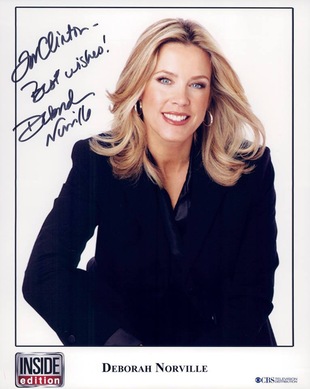
Deborah Norville, a recorder of time,
Eternity is but a moment, fleeting yet prime.
Believes you can create the news, on time,
Opening our eyes to what is going on, so sublime.
Reality is living within love and laughter for a time,
All “Inside Edition” shows are writing this rhyme.
How we make the news, shaping a moment in line,
Norville, a leader, in news she shines.
Norville is part of “Inside Edition,”
Opening the public’s mental education.
Reality in a moment, in this edition,
A variety of stories, sharing life’s mission.
Indeed, a CBS edition, with every direction,
Living with love, laughter, and affection.
Laughter is love within life’s forces, a reflection,
Eternity is a moment in this news edition.
Delilah Rene Luke – Radio Personality, Author, and Songwriter
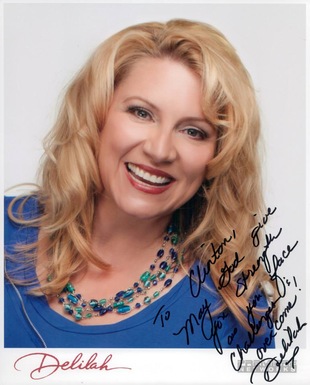
Delilah Rene Luke, a voice on the airwaves,
Eternity will remember her kindness that paves.
Living life with love, a song on the radio,
Loving music that in our hearts will grow.
All-American hostess, a voice so clear,
Honesty flows as an author, always sincere.
Her words are a melody, a sweet refrain,
In every song, her heart will remain.
Luke, a personality so kind, so true,
Unique to radio, her voice breaking through.
A kind-hearted soul, with love to give,
Eternity of music, where her legacy will live.
Desiree Williams
A Lovely Smile of a Queen

Beautiful queen of the Virginia scene.
Crowned Desiree Williams, glowing so bright.
Dreams of kindness, her guiding light.
Eyes like stars that softly gleam.
Friendly and warm, a regal beam.
Girl next door turned fairy tale dream.
Hopeful and strong, a vision serene.
Indeed, she’s a queen, inspiring all.
Joyful and graceful, standing tall.Dietmar Hopp – Software Billionaire
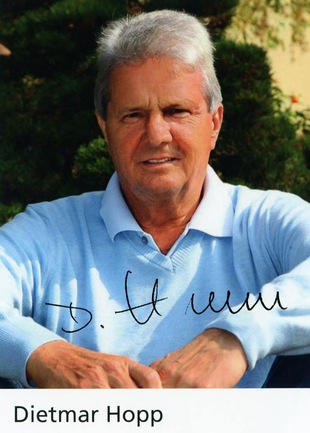
Dietmar Hopp, a software billionaire,
An organizer of data filters, beyond compare.
Eternity will remember him, sharing information with billions,
Time is but a moment, as data waits in millions.
Mr. Hopp, Herr Hopp, with wealth in hand,
More money than data, with a vision so grand.
Yet all that data still waits to be filtered,
A moment in time, as answers are built.
Hopp, a name known across the land,
Operating data, storage, and names so grand.
People wait for the filter to show the truth,
A pleasure to see you, thank you for your proof.
Dominik Bender – Actor

Living in Germany, making films with flair,
In French, English, or German, he speaks with care.
Native of Berlin, with a story to tell,
A thoughtful glance, a kind heart that dwells.
Bender, a last name of a talented soul,
Eternity speaking in waves, reaching its goal.
A native speaker of German, so true,
Dreaming of main screens, in every hue.
Eternity in a society of stars on screen,
Living reality on the stage, serene.
Really, he thrives in life’s grand act,
As an actor, leaving dreams intact.
Dominick Fink – Miss D.C. Teen
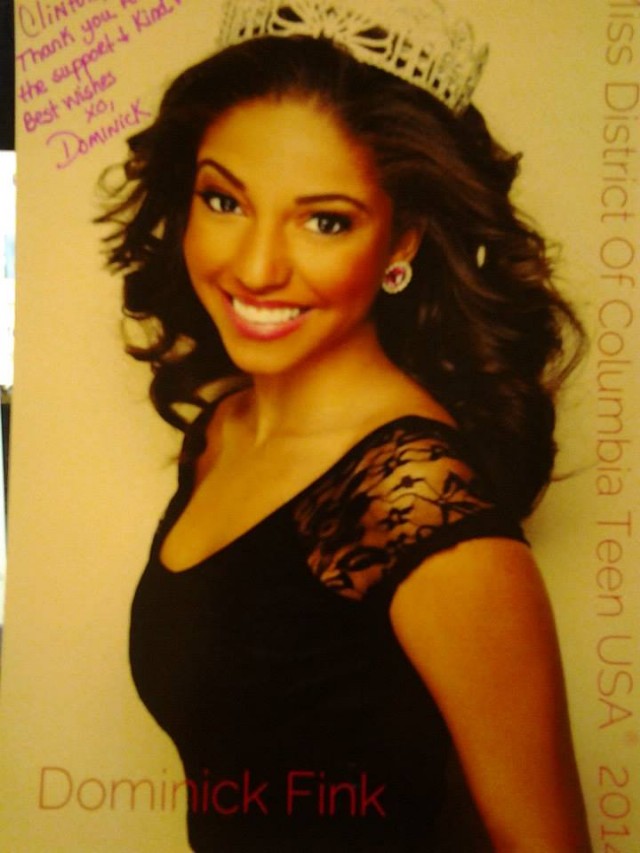
District of Columbia crowned Dominick Miss Teen,
Onward goes her smile, a radiant gleam.
Memories of that crowning moment in time,
A moment for a teen so fine.
In fact, a Miss Teen with a bright future ahead,
A smile so lovely, hope to be led.
A moment in time, reality shines,
A teen turned lady, a heart that aligns.
Come now, smile, the kindness she brings,
With a heart full of love, and joy that sings.
She is Miss D.C. Teen, full of grace,
A shining star, lighting up the place.
Fink, a last name with a smile so bright,
Pretty eyes and a smile, a beautiful sight.
Never let love of life stop the laughter and cheer,
Kindness is the game we all hold dear.
Eric Braeden – German Actor
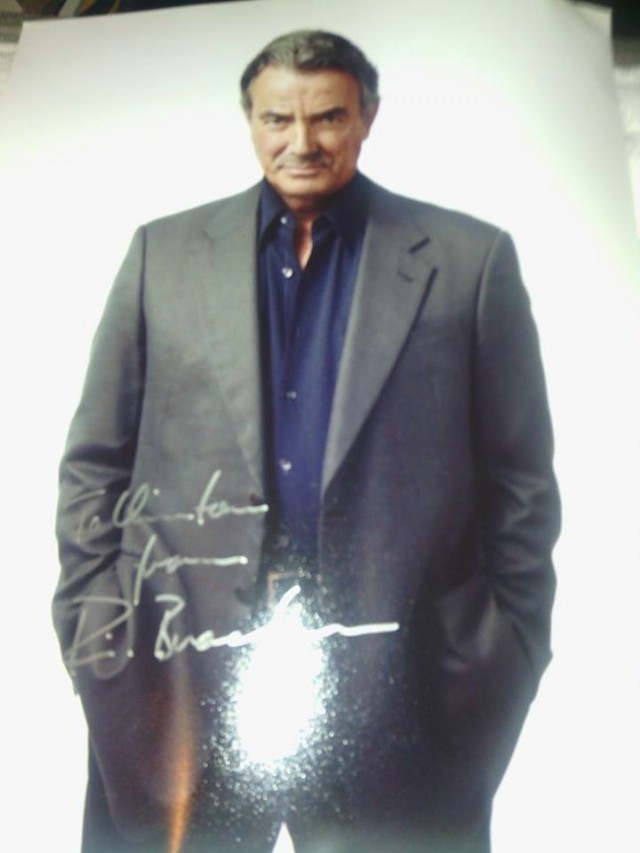
Reality, famous for his roles as Victor Newman,
In the soap opera, The Young and the Restless.
Colossus, he was Dr. Charles Forbin.
Braeden, a last name of a long-lived actor,
Reality played a part in Wonder Woman, the television series.
Actor with several roles in life,
Eternity acting in life, dream of that star in life.
Eternity showing stardom in life,
Native of Germany, living the American dream in life.
Elvi – Artist

Life's for living within love and laughter, which means to live,
A very interesting world where evil, when reversed, is to live.
Indeed, an artist's world is captured in a name,
Live life without evil; evil is without life, it's all the same.
Very keen on life, embracing all it has to give,
Eternity awaits, a world without evil to live.
Elvi, a name that symbolizes joy and light,
Inspires us to embrace life, shining bright.
Eva and Vašek – A Musical Duo
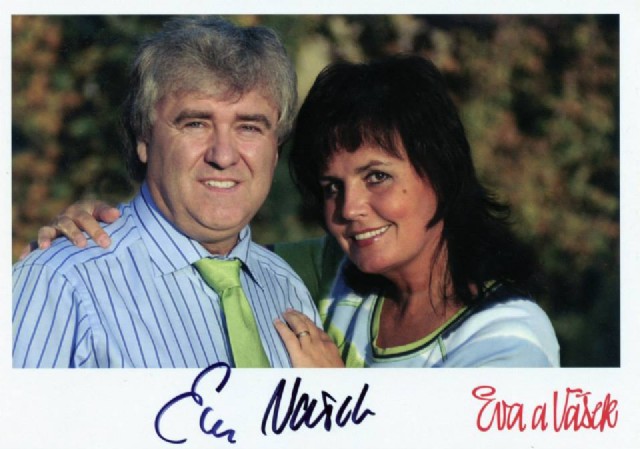
Vocal harmony, their hearts would beat.
As a married couple, their music did soar,
Singing together, fans wanting more.
Evolving from SURF, they made their mark,
A legendary sound, igniting a spark.
Now a guesthouse host, with songs to share,
Duo of love, their music fills the air.
Vašek and Eva, their music flows,
A timeless sound, where passion grows.
Ševčík, the name, forever known,
Šelected to create, and make music their own.
Even in retirement, they leave a legacy,
Knowing the world felt their melody.
Fleetwoods – A Musical Journey
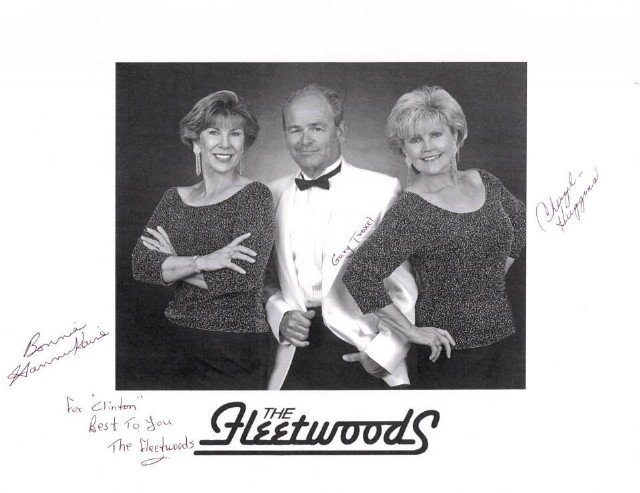
Lovers by night, the last ones in sight.
Eternity will remember, you mean everything to me,
Evening of singing, and dancing so free.
Truly do singing, words of soft melody,
With music that opens your soul, sets you free.
Open your heart, let the music play,
Open your soul, feel it all the way.
Dream a little time, with me, in harmony,
Singing along in time, we live this symphony.
Fleetwoods' music, forever a delight,
Lovers by night, the last ones in flight.
Gary Troxel, Gretchen Christopher, and Barbara Ellis,
Together they sing, forever to cherish.
Giving the world songs that we hold dear,
Eternity remembers, keeping them near.
Remembering the truth they tell through song,
Eternal melodies where we belong.
Never forgetting the music they bring,
The Fleetwoods' legacy, forever to sing.
Florence Henderson – A Heartfelt Tribute
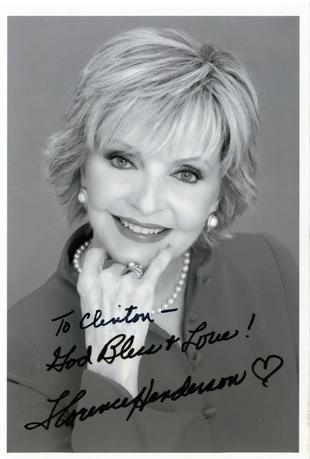
Life within laughter, doing what you love to repeat.
Only a sitcom, but humbling to hear your voice,
Reality stranger than an act, yet you made the choice.
Eternity will remember you as a sitcom mom,
Nice smile, beautiful voice, always calm.
Celebrated in eternity for your grace,
Everywhere your legacy fills space.
Dear Florence, you’re a treasure to see,
Remembered for your kindness, eternally.
Henderson, your name shines so bright,
Eternity awaits your songs of family light.
Never mad, always smiling, a gentle embrace,
Dear lady, you brightened our days with grace.
Eternity will remember, that too is true,
Reality a moment, yet your sitcom time flew.
Seasons were few, but you brought so much fun,
On screen, a family that made us one.
Now sadness lingers, but memories stay,
Sharing the love of family, in your own way.
Need guidance from true family, in sorrow's time,
In moments of loss, your light will climb.
Time may pass, but your legacy will remain,
Your presence forever in our hearts' refrain.
Gabrielle Reece – A Volleyball Legend (Poem)
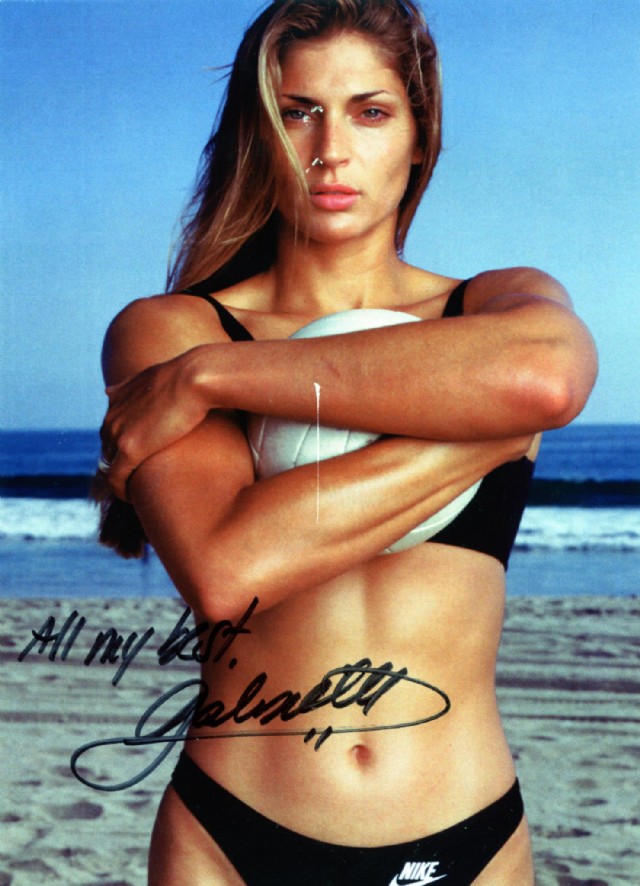
A pretty pair of eyes, full of flair.
Beautiful eyes, a captivating prize,
Reality slamming a volleyball, she flies.
In those eyes, those lovely eyes,
Eternity playing volleyball under sunny skies.
Reece, a volleyball player known worldwide,
Earlier a model, with grace and pride.
Even "Offensive Player of the Year," they’d declare,
Cute smirk of a smile, a model rare.
Even as an athlete, she’s beyond compare.
Tyler Hubbard and Brian Kelley – Florida Georgia Line
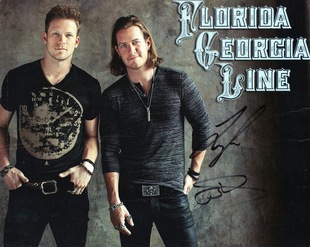
You know bro-country when you're singing their line.
Living a lifetime within laughter of a country dance line,
Eternity will remember a singer's heartfelt line.
Reality is but a moment on stage, where they shine.
Brian or Tyler singing a duet line,
Reality feels like a good old country song line.
In singing a melody, they bring joy to define,
Almost enjoy waiting, as on a fishing line,
Not as special, for in a moment, the song reaches its line.
Gig Morton – A Star from Canada (Poem)
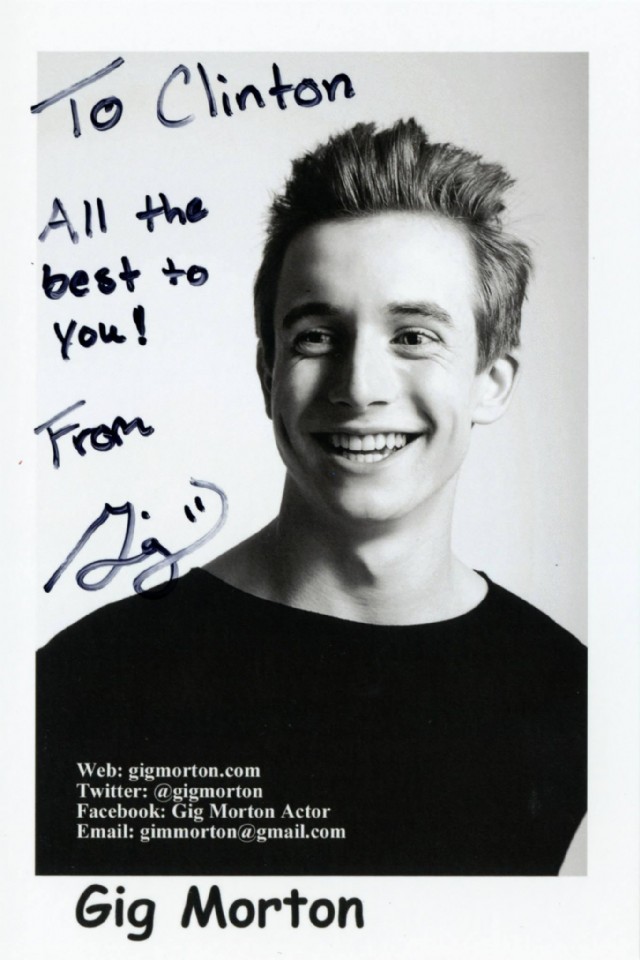
In truth, being part of Supernatural is pure nirvana.
Gig as a Space Buddy, hilarity ensues,
Morton, a name that always brings good news.
Outstanding in the yard, playing Derby, so spry,
Reality of an actor, reaching for the sky.
Time on stage, much longer than expected,
Options abound, his talent respected.
Never-ending, the acting journey of life perfected.
Gina Raye Carter
A Lovely Smile in the Movies
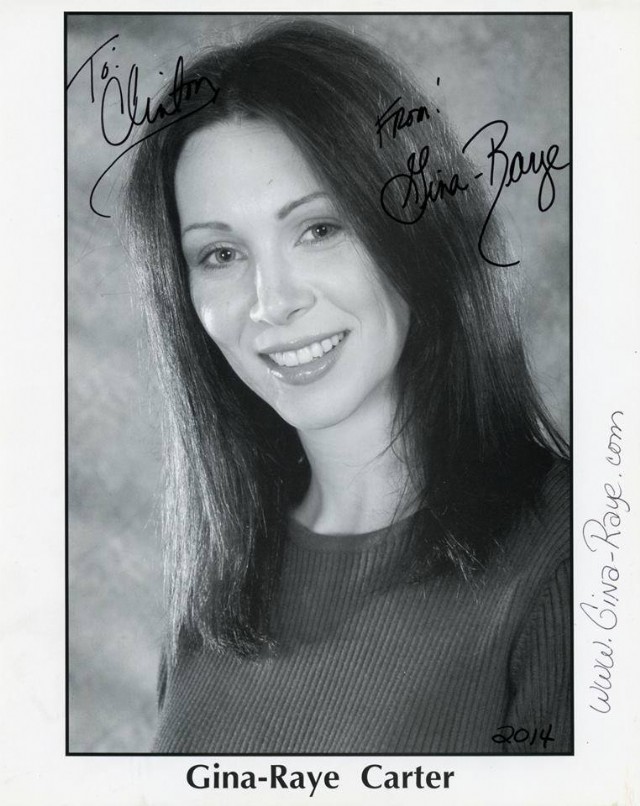
Beautiful and graceful, a radiant light.
Carter's last name, Gina Raye, we know,
Dreaming in The Dentist 2, her star does glow.
Evil Bong dancer, her moves so grand,
Friendly in The Sessions, a helping hand.
Gina Raye Carter, with charm so rare,
Honest and kind, beyond compare.
Indeed, a star with a heart so true,
Just a lovely actress in all she’ll do.Gina-Raye Carter – A Star with a Radiant Smile (Poem)
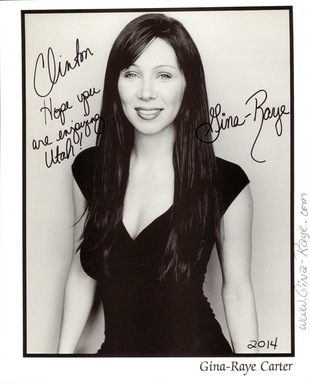
Indeed, her lips form a charm that can beguile.
Nice eye for roles, showcasing talent versatile,
Acting is her dream, her art, her style.
Raye, a name that shines on every stage,
Actress whose beauty and talent engage.
Your kindness leaves a lasting trace,
Eternity will remember your grace.
Carter, the last name of a shining star,
Acting her dream, her journey so far.
Reality, but a fleeting moment of life’s parade,
Time, a fleeting gift, on the stage it’s displayed.
Eternity will cherish her kindness and light,
Reality for an actress, her story in sight.
Gracyn Blackman
An American Queen
Beauty and grace wherever she goes.
Cute and charming, a regal scene,
Dreaming of the American Dream.
Elegance shines in her every stride,
Friendly and kind, beauty amplified.
Gracyn Blackman, Miss Virginia USA Teen,
Honor and poise in her royal sheen.
Individual, unique with a lovely smile,
Joyful eyes that sparkle a while.
Kindness flows from her heart so true,
A queen who inspires in all that she’ll do.Gretchen Elizabeth Carlson – A Crowned Beauty and Accomplished Commentator
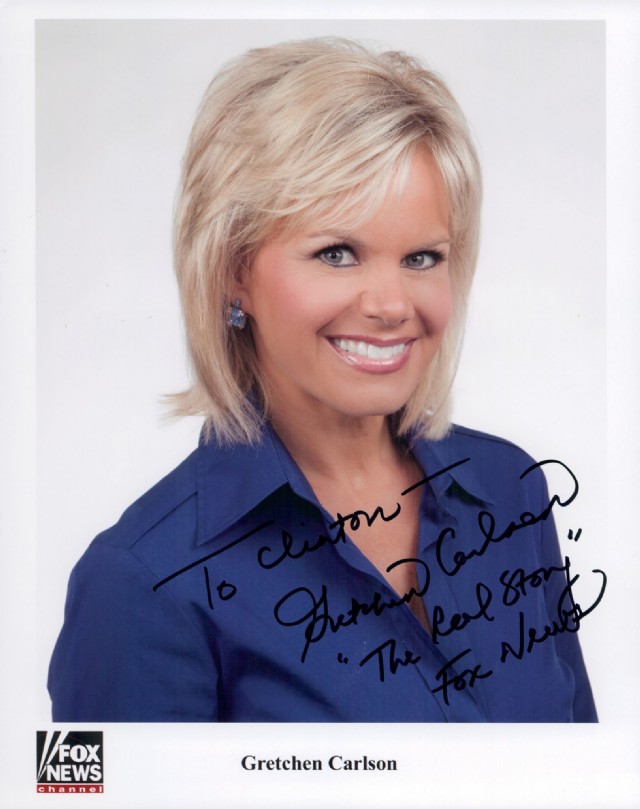
Reality shows her an author of great renown.
Even chairwoman of Miss America’s board,
Time remembers her as crowned Miss America in 1989, adored.
Crowned beauty queen from Minnesota’s state,
A lady of elegance, her achievements are great.
Respected as a Fox host, honest and wise,
Lovely as ever, with a smile that belies.
Strikingly kind, with a gaze that gleams,
Open-hearted and driven to achieve her dreams.
Never-ending grace, her story inspires,
Carlson’s legacy will forever aspire.
Hans-Joachim Stuck
The Racer’s Tale

Questions arise—who leads these lanes?
Racer Hans-Joachim Stuck, "Strietzel" they say,
Speeding through tracks in his daring display.
Time bends as he races with flair,
Unique, his nickname follows him there.
Victory earned on the tracks he has known,
Wheels spinning fast, the legend has grown.Harvey Levin – A Host, Lawyer, and Television Reporter
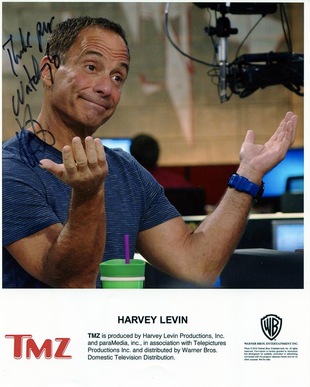
Acting on stages of life, sharing others’ stories in order.
Reality is but a fleeting moment in time,
Very weird and wild tales, of lives sublime.
Eternity echoes your name, for you’ve captured life’s strife,
You, Harvey, thank you for your autograph in my life.
Levin, a last name tied to a TV producer’s fame,
Eternity remembers the way you spoke of others’ names.
Very few can tell tales as you do, with such flair,
Indeed, your career on television is beyond compare.
News, your craft, brings the world into view,
Life as a reporter is truly made for you.
István Tarlós
Engineer, Politician, and Former Mayor of Budapest
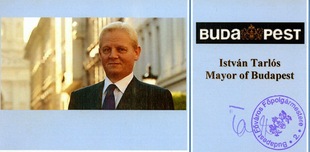
Time will remember a Hungarian politician,
Vivid dreams of building a better life through democracy.
Always working—a laborer, a military man, a foreman—
Dedicated to the people, striving for freedom and democracy.
A reminder to all: live for freedom, cherish democracy.
A Mayor’s Legacy
Always hoping for the best,
Reality shaped by tireless effort,
Loving the laughter of a city thriving,
Open to helping the people of Budapest,
Selfless in the search for the city’s brightest future.
Inge Jaklin
Hogan Hero's Muse

Beautiful, with charm and grace alive.
Cute on screen in Hogan’s delight,
Dreaming of fame, her future was bright.
Eternal beauty, her name shines true,
Fraulein actress in roles she imbued.
Graceful in films like Flint and more,
Hogan’s Hero, Anna, we adore.
Inge Jaklin, a muse to behold,
Jaklin’s legacy, a story well-told.
Kind and lovely, her smile aglow,
Producer of dreams, her talents show.Jackie Collins – A Prolific Author of Romance
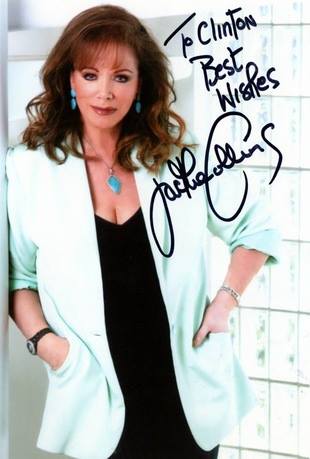
Author of romance, where passion is found.
Collins Joan, her sister, an actress, not the same,
Kind and creative, Jackie played her own game.
Indeed, a moment in time, her novels unfold,
Eternity remembers the stories she told.
Collins, a famous last name to proclaim,
Over-the-top drama and passion her aim.
Live life with laughter and love in her name,
Love for writing, creating, dreaming a game.
Indeed, she never gave in to doubt or shame,
Never faltered, making her mark in the fame.
Sexy and silly, a master of the romance game.
Anita and After Dark
A Poem by Clinton Siegle
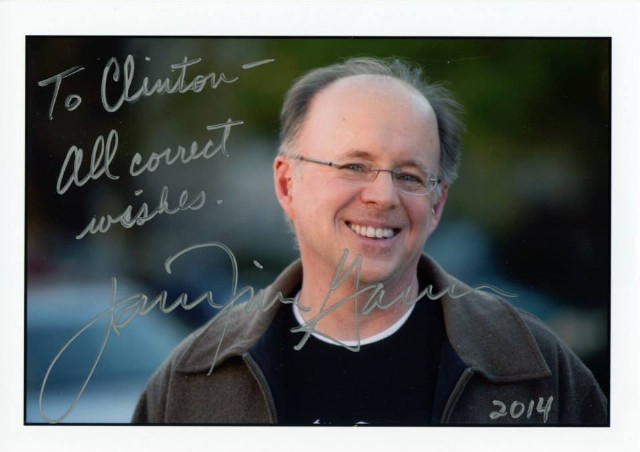
Memories of a time long ago, almost forever in the dark.
Eternity is comedy, satire with great books,
About unlit political times and hidden looks.
Sensible comedy of dim ideals and ideology,
Written in these times with sharp methodology.
Family of wife, and two kids lively in Chicago,
Their life shines even amid shadows of ego.
Indeed, an author of bestsellers to amuse,
Need a satire or two? He's the one to choose.
Now to these dark Chicago times he writes,
Illuminating truths with his poetic lights.
Garner is a comedian, author, satirist too,
All ideals penned with a poet's view.
Reality is but a moment, politically correct,
Now for wild ideas, he dares to reflect.
Eternity is finding out what truly matters,
Reality is fun with a poet who flatters.Coach Jamie Dixon
Actor to Basketball Coach
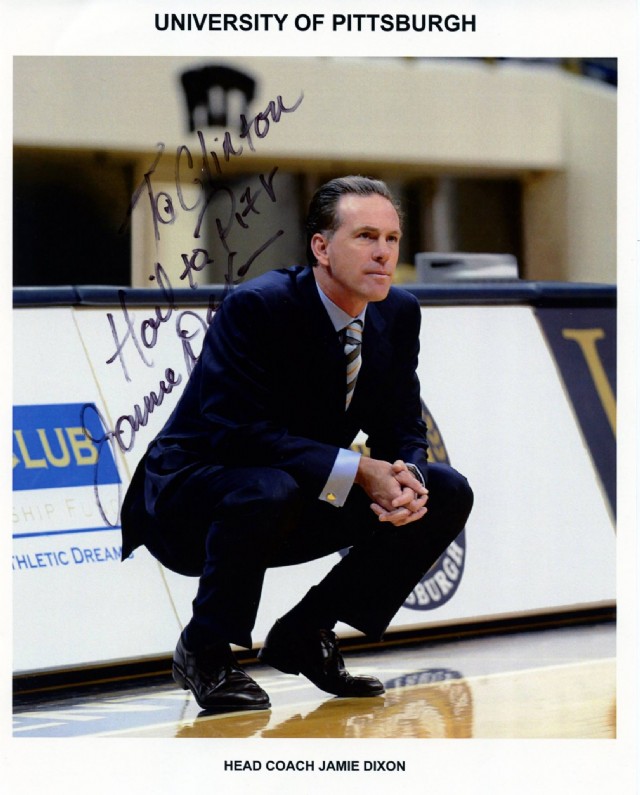
Basketball coach with a lion's heart.
Coach Jamie Dixon, a legacy in play,
Dreaming of victory, each passing day.
Even in ads, from Volvo to light,
Flashing his smile, commercials so bright.
Great on the court, basketball his game,
Horned Frogs' coach, carving his name.
From childhood acting to coaching with flair,
Jamie Dixon’s journey is beyond compare.
Great basketball player, respected and bold,
A coach to be remembered, his story unfolds.Jason DeLucia - UFC Fighter
The First Fighter in UFC History
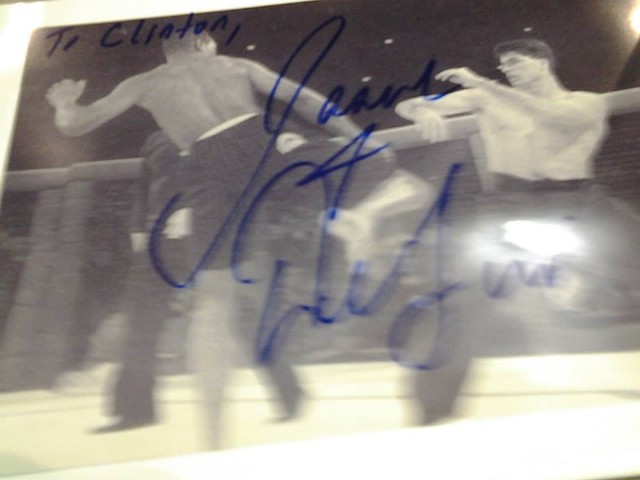
Being the first in UFC history, earning his fame.
Cutting it up with Aikido and Kung Fu moves,
DeLucia, a fighter, in the ring he grooves.
Events underground, in Boston they start,
Fighting with skill, a true martial arts heart.
Great with Five Animal Kung Fu and Tae Kwon Do,
History remembers him, as his skills grow.
In the ring, he's a mixed martial artist,
Jason DeLucia, fierce and the hardest.
A pioneer in the UFC, with fists that fly,
A fighter whose legacy will never die.Jeb Bush – American Politician and 43rd Governor of Florida
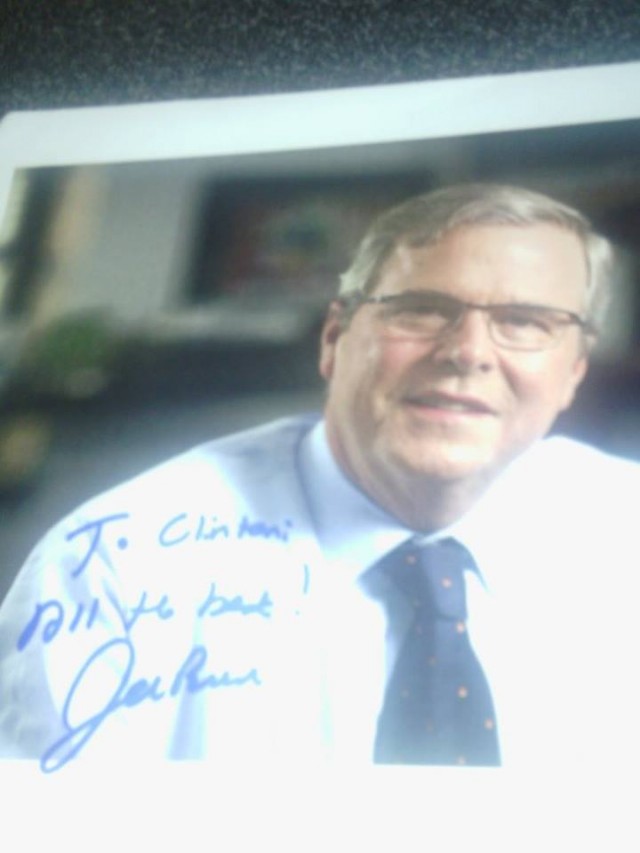
Eternity will remember your contribution.
Best known for service, Governor of Florida, bold,
Between 1999 and 2007, your leadership took hold.
Bush, a presidential name, you represent,
Unique at times, your influence well-spent.
Service to the country, through highs and lows,
Honesty, a trait that through history shows.
Jeanine Anderson - Actress
The Girl Next Door with a Lovely Smile
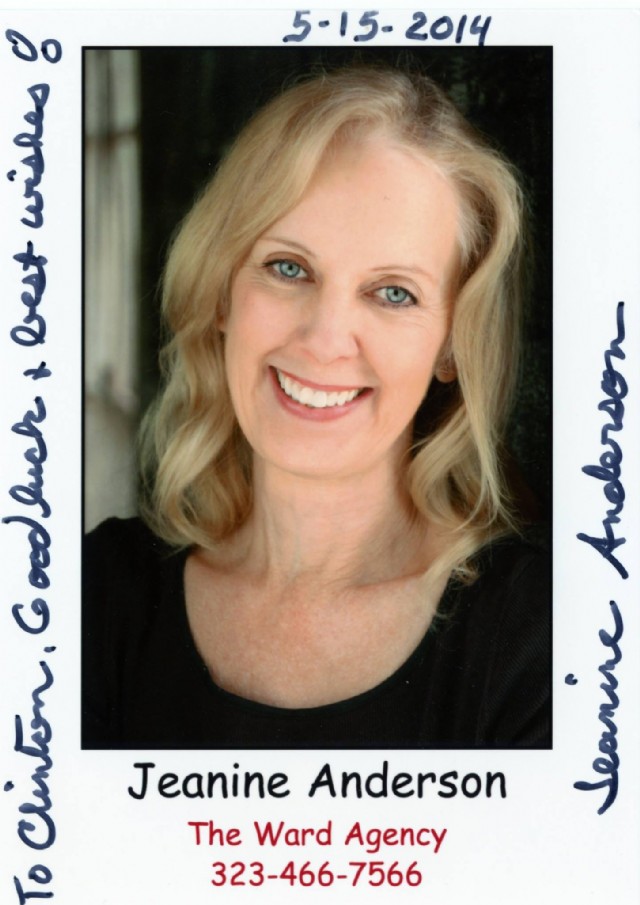
Beautiful smile and kind eyes, she is diverse.
Cute as a soda shop customer, juror with grace,
Dream big, reach for the sky, an inspiring chase.
Eternity dreams of an actress in the spotlight,
Friendly smile of an actress, shining bright.
Girl next door, with charm and ease,
Honest face of the girl next door, sure to please.
In reality, she's an actress with style,
Jeanine Anderson, a lovely lady all the while.Jeff Foxworthy – Comedian, Actor, TV Host
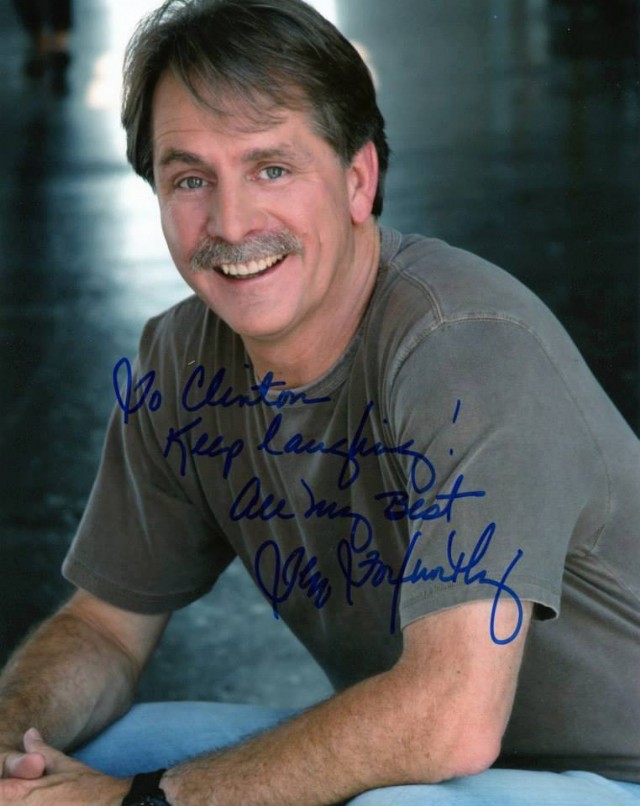
Eternity will remember your laughter the most.
Fun for fun's sake, laughter in the air,
Funny with a mild case of naughty flare.
Foxworthy, a last name known by all,
X-raying an audience, humor on call.
Worthy of telling a good joke so bright,
Open to speaking of rare humor in light.
Reality is but a moment in time for a comedian's cheer,
Time, a life worth breathing in laughter here.
Honesty’s not always the best in jest,
You simply tell the joke, and laugh’s the rest.
Jeffrey Archer – Politician and Writer

Eternity will remember your literature's name.
Forever known for tales that inspire,
Fortunate to think up a novel’s fire.
Reality is but a moment for a writer’s thought,
Eternity’s grasp is forever sought.
You will be remembered as a writer, indeed,
A book filled with truth, a writer’s creed.
Archer, a politician's name in this lot,
Reality is a politician’s world, a strange thought.
Character is needed to survive this game,
Honesty sought in books, giving them aim.
Eternity will know about a person’s lot,
Remembering what truth the writer has sought.
Jerry Kill – Football Coach

Eternity remembered at the University of Minnesota's side.
Reality is a football game, where dreams unfold,
Reality is but a moment in time, a team to behold.
Youth football teams playing the game,
Kill, a last name, a coach of fame.
Indeed, the University of Minnesota stands tall,
Live long with football, together as one ball.
Live in the laughter, the joy of the game,
Kill's legacy, forever to remain the same.
Jessica Tyler - Actress and Singer
A Lovely Lady with a Beautiful Smile
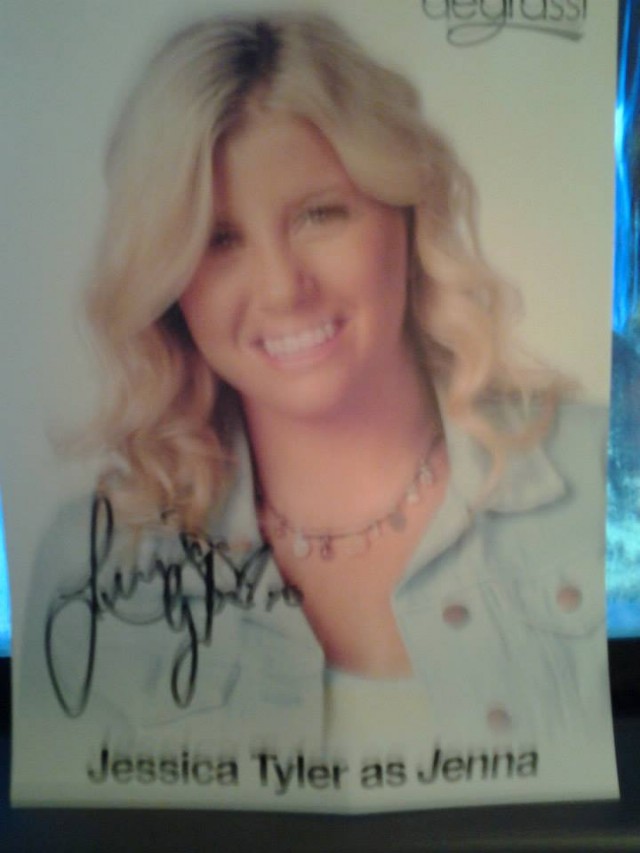
Cute smile of an actress, bright and pure.
Dancer, Jessica Tyler, with grace to show,
Eventful singer, Ms. Tyler, her talents grow.
Faithful singer, her voice so sweet,
Guitarist played along, a perfect beat.
Hoping to sing that song, her dream in sight,
In reality, an actress, shining so bright.
Jessica, a lovely lady, with kindness true,
Kind lady, her spirit always shines through.Joan Lunden – Early-Morning Television Host
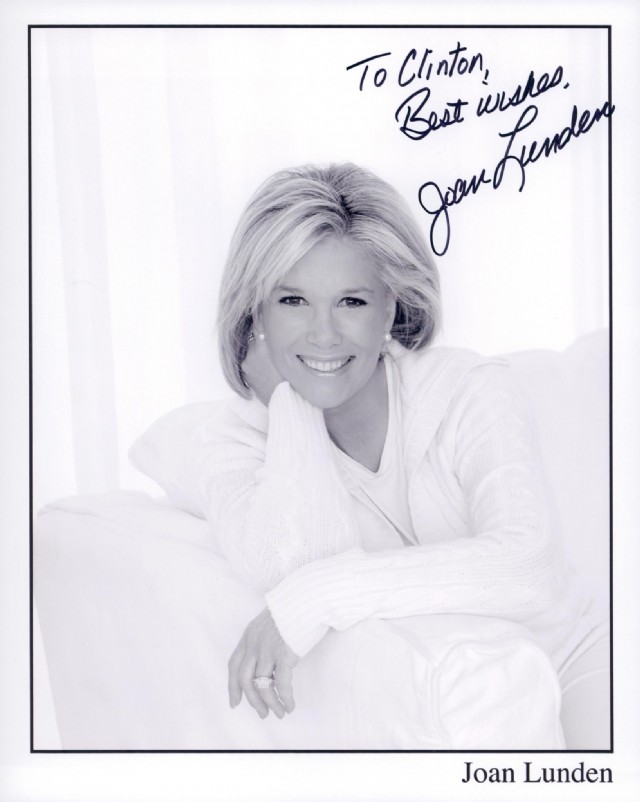
Opening the day with a smile we can trust.
Author, journalist, and television queen,
Never a dull moment on the screen.
Loved by millions for her gentle grace,
Under pressure, she kept up the pace.
Nurturing each guest with warmth and care,
Daily delivering news with flair.
Eternity remembers her morning smile,
She made waking up feel worthwhile.
Time with Joan was a joy to see,
Reporting life, with honesty and glee.
A lasting legacy, she leaves in our hearts,
Dedicated always, playing her parts.
Even as the world shifts and changes its course,
Remember Joan’s presence, a steady force.
Joan Rivers – Comedian, Actress, Author
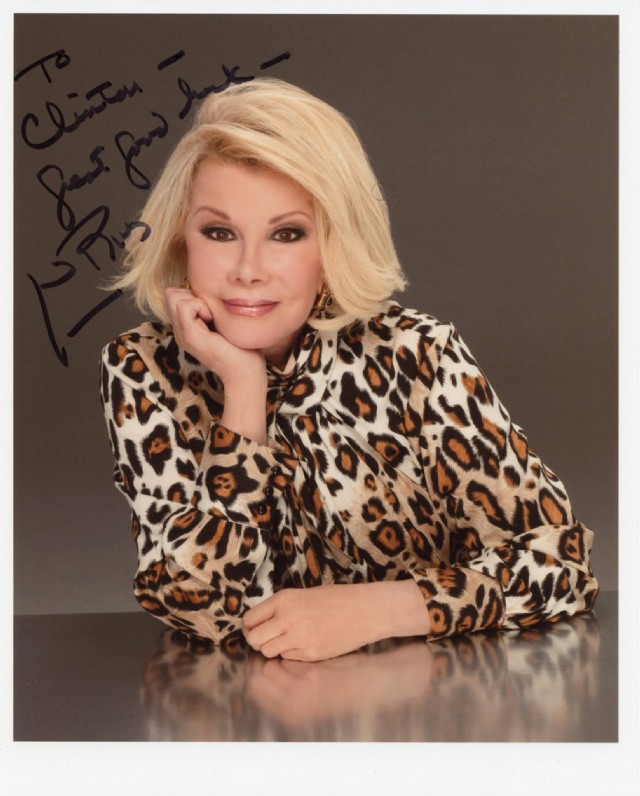
On stage, her laughter was sublime.
Actress, writer, with words that sting,
Never afraid to say anything.
Rivers, a name that echoes with might,
In comedy, her wit shone so bright.
Very elegant, yet never too shy,
Eternally laughing, reaching for the sky.
Reality is but a moment in time,
Serious and funny, her humor a rhyme.
Molinsk, her name before fame's rise,
Actress, author, laughter in her eyes.
Love of life, she gave us the show,
In every performance, her spirit would glow.
Never a dull moment when Joan was here,
Keeping us laughing, year after year.
Serious author, comedian, too,
Remember her joy, and laughter anew.
Jody Conradt – Basketball Coach for the Trailblazers at U of T
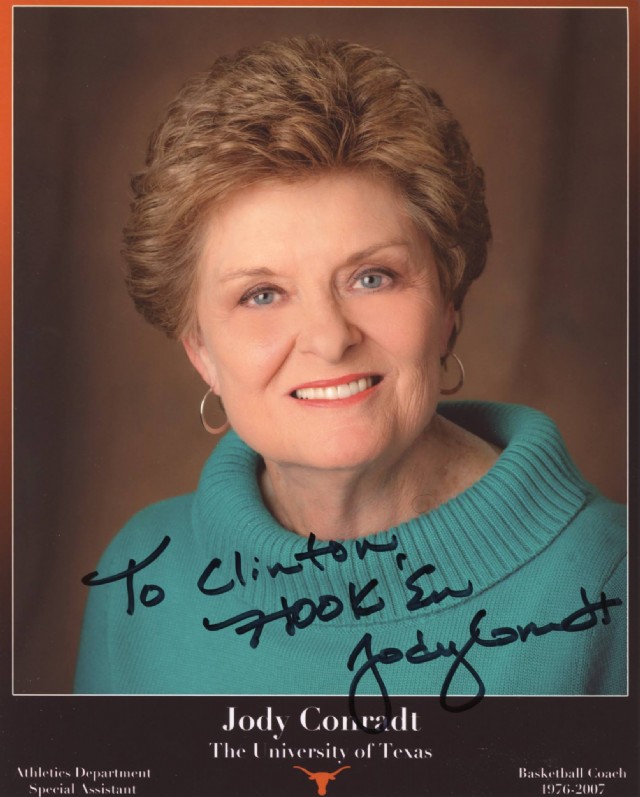
On the court, a Trailblazer's fate.
Dear lady, with a smile so bright,
You led 783 wins with all your might.
Coaching for 38 years, such a feat,
On Goldthwaite High's court, you couldn’t be beat.
Never forgetting your Baylor days,
Racking up 20 points in countless plays.
A Trailblazer's coach, 31 years strong,
Never slowing, always where you belong.
Dedicated to the game, you left your mark,
Trust in your vision, you lit up the dark.
Until the Naismith Memorial honored you well,
Through hard work and wisdom, your story will tell.
Reality is but a moment in time,
Every game you played, your spirit would climb.
All the time planning, shot after shot,
Leading with passion, in every plot.
Looking ahead, you soared so high,
A true legend, and that will never die.
Zealous in your pursuit, you made it known,
Each moment on the court, your skills had grown.
Reality may pass, but your legacy stays,
Shooting, dribbling, and coaching always.
All who watched you, thank you for the sight,
Vivid memories of the games so bright.
Ever grateful for your time, your grace,
Your autograph remains in our hearts, a special place.
Joe Donnelly – U.S. Senator from Indiana
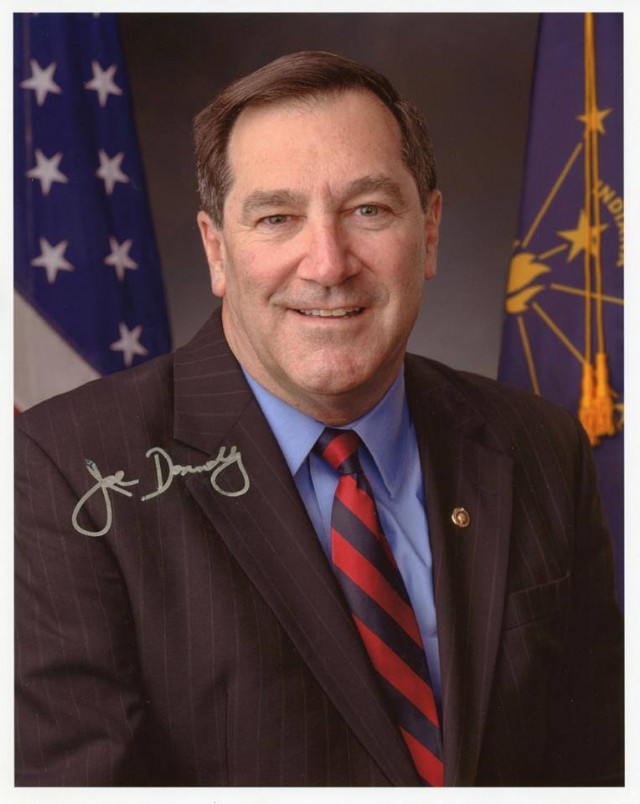
Open to ideas, from all sides you view.
Eternity will remember a politician like you,
Democrat or not, your heart is what shines through.
Donnelly, a name known for fairness and grace,
On your votes, you bring hope to this place.
Never forgetting the need to help the poor,
Needing to help, to open every door.
Eternity will remember your service so bright,
Living with purpose, doing what's right.
Love for the people, not for the party,
You lead with kindness, that's the art of the heart.
A portrait sent, a token of care,
Never forgetting those who are in despair.
Need is ever-present, and so is your mind,
Eternity will remember your legacy kind.
You stand for what's right, for the common good,
Open to compassion, as a senator should.
Uniting all, with no need to fight,
Remembering the poor, you make it right.
Eternity will watch, as you help the poor,
Voices of kindness heard from your core.
Each moment you give, you shine so bright,
Raising all people to stand in the light.
So let us hope for a future so right,
You have done all, with honor and might.
Open to all, doing what’s right,
Understanding that love brings the light.
Reality is in every choice you make,
Every decision for a better sake.
Supporting the poor, with all that you can,
Uplifting the people in every land.
You can do it, you have the heart,
Open to all, from the very start.
Uniting us with your strong and true fight,
Reality shows you did what’s right.
John Boehner – Speaker of the House
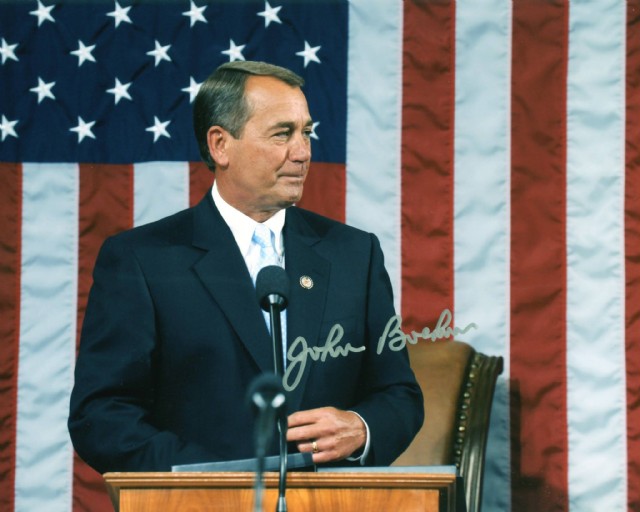
On firm ground, he led with a conservative stance,
Holding strong, promoting policies with care,
Navigating the House with purpose to spare.
Boehner, a man of convictions, so true,
Open to challenges, yet standing firm too,
Earning trust, winning his first term with might,
His honest journey began in 1990, in the fight.
Now retired, with a legacy that will stay,
Eternity reflects on the choices made each day,
Recording his time in the Speaker’s chair,
Serving with purpose, beyond compare.
Boehner graduated, a degree in hand,
Opening ways for progress in this land,
Earning his place, with wisdom to share,
Navigating policies with careful care.
Eternity may not always be clear,
Reflecting on choices, no need for fear.
In the battle of good versus evil, he stood,
Even as challenges tested his mood.
Some say that evil will not win,
Truth will guide us, within and within.
All the while, eternity is to blame,
Reality questions, but hope remains the same.
Every action, every decision, with care,
Speaking with wisdom, in moments so rare.
Reality unfolds, but time will tell,
Voices of leadership echo, their stories swell.
Yet even in doubt, one thing remains true,
Our choices define us, in all that we do.
Understanding the past can guide us ahead,
Reality shifts, but the lessons are said.
Reflecting on John Boehner, a legacy strong,
Eternity remembers his service so long.
Voices may change, but one truth holds tight,
On the stage of life, he chose what was right.
John Elnaugh – English Actor

Opened his character with skill, in demand,
Honest school inspector in Genies in the House, actor,
Night Sherlock Holmes, an actor, the master.
Elnaugh, an Englishman at heart,
Living within England, playing his part,
Near London, a city full of grace,
Actor in movies, television, and on the stage.
Unique artist on the West End stage,
Go forth, actor, a name to engage,
Honestly, an actor, with purpose so clear,
Legacy remembered through each career.
Always leaving an impact in his wake,
Crafting performances that we partake,
Truly, a legend in his craft and art,
On every stage, playing his part.
Reflecting on Elnaugh’s journey through time,
Every role, every scene, a rhythm so fine,
Shadowed in history, with moments so bright,
In every character, he shines with light.
Onward, actor, to greater feats,
Forever remembered by those in the seats.
John McCain – U.S. Senator
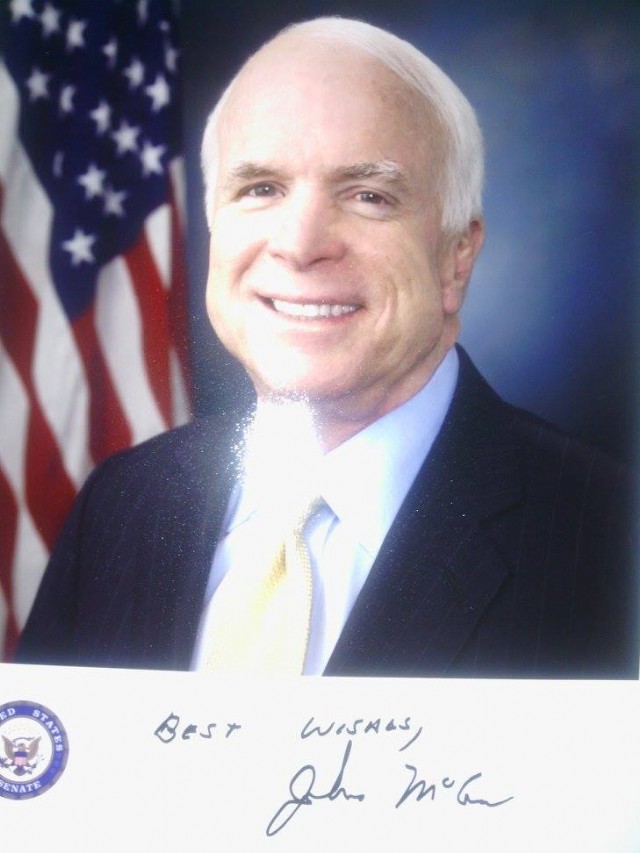
Maintaining honor, in all that he knew.
Courageous and bold, a voice for the land,
Always with purpose, with wisdom at hand.
In the Senate, he stood tall with grace,
Speaking his truth, leading the race.
Service to the nation, through trials and pain,
Undeterred by challenges, steadfast like rain.
Outstanding in speech, with passion to fight,
Uplifting those who needed his might.
Through thick and thin, his voice never wavered,
Speaking the truth, for justice he labored.
John McCain, a legacy strong and bright,
Always a symbol, for what is right.
Senator of honor, with a smile so wide,
A man who stood tall, with nothing to hide.
Never one to back down, in moments of strife,
Onward he marched, in the journey of life.
Uplifting the fallen, guiding the way,
The voice of the people, who trusted his sway.
In the end, his memory shall endure,
Shaping the future with a heart that’s pure.
And though he’s gone, his legacy stands tall,
Remembered forever, by one and by all.
John McCain, his name etched in time,
Onward his story, in rhythm and rhyme.
History will speak of the man who fought
Never yielding, for what he sought.
John Malcolm Fraser – 22nd Prime Minister of Australia
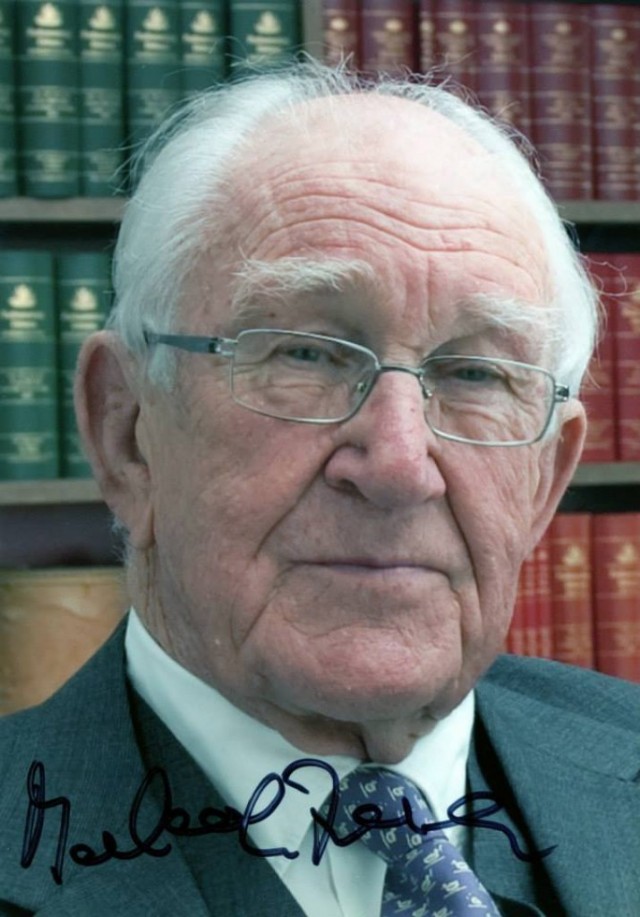
Many years in service, leading the fight.
As Australia’s 22nd Prime Minister, so strong,
Liberal Party’s heart, where he belonged.
Member of the Party, with honor and grace,
Australia's future, he helped to trace.
Legacy of leadership, steadfast and true,
Committed to his country, in all that he knew.
Fraser, a name that echoes in time,
Remembered by history, a voice so prime.
Australian people, a nation to lead,
Serving his people, in words and in deed.
Eternity will recall his name with pride,
Reflecting on actions, in truth he’d confide.
Reality can be harsh, yet Fraser stood firm,
Shaping Australia, through each term.
Framing policy, decisions of weight,
Reigning over change, through Australia’s fate.
As a leader, with courage and care,
Shaping the future, beyond compare.
Enduring in spirit, his memory remains,
Reflecting on his work, the legacy sustains.
Yet even in times when the future is unclear,
Fraser’s name still rings true, year after year.
Reality may shift, as time moves on,
Some things will fade, others live on.
All who remember, will always hold dear,
Fraser’s legacy, a voice we revere.
Joke Schauvliege – Belgian Politician

open smile of a lady,
kind Belgian politician from Flanders,
eternity Jokingly smiling lady,
Joke Schauvliege, a name to behold,
Strong in her politics, courageous and bold.
Conservative and steady, with vision so clear,
Holding to values, with no room for fear.
A lovely lady, with a smile so wide,
Vibrant in spirit, with no need to hide.
Leadership shining in every endeavor,
In Flanders, she made a change that lasts forever.
Empowering her country, with policies bright,
She championed causes, for progress and light.
Government work with passion and care,
Equal rights, she fought to ensure they were there.
Joke, a figure whose legacy will stay,
Eternal influence, lighting the way.
Like a guiding star, in Belgium’s night,
In politics, she always chose what’s right.
Gentle yet firm, her stance unshaken,
Leading her people, never forsaken.
Even in moments of challenge, she smiled,
Showing the world a heart that’s mild.
Enduring her work, a lasting legacy,
She carved out a future for all to see.
More than just a politician, she’ll be remembered,
A woman of strength, who rose untethered.
Leading with kindness, but fiercely so,
You could feel the power in every row.
Generous in heart, with policies fair,
Eternally shining, with purpose to spare.
Remember Joke Schauvliege, a figure so grand,
Enduring in history, her voice will stand.
José Carreras – Tenor
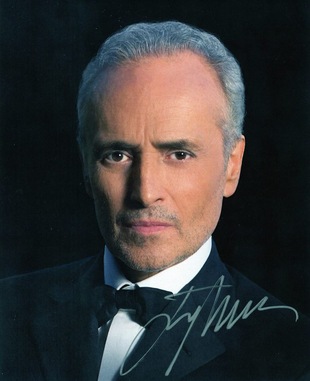
Creating music, a voice that would astound.
A member of the Three Tenors, bold and bright,
Raising his voice to bring forth the light.
Refined as an opera singer, with passion and grace,
Echoing through time, in every place.
Singing the arias, so full of power,
Showing the world a true vocal flower.
Carreras, a name that will never fade,
Atenor whose legacy is deeply laid.
Reality may be fleeting, but his voice endures,
Remembered for art that forever assures.
Eternity will hold his voice in grace,
Surviving through the trials he did face.
A cancer survivor, his strength shown bright,
Conquering pain with music's pure light.
A great tenor, a gift to the stage,
Reality fleeting, like notes on a page.
Reality is but a moment in time,
Eternity remembers the voice in its prime.
Singer upon the stage, his voice a command,
In melodies soaring across every land.
Never forgotten, his music lives on,
Giving the world an eternal song.
So, José Carreras, a tenor so true,
Remembered forever for the notes he flew.
Voicing his heart, a spirit untamed,
In the echoes of opera, his name is proclaimed.
Jo Rizzo
Singer and Music Producer
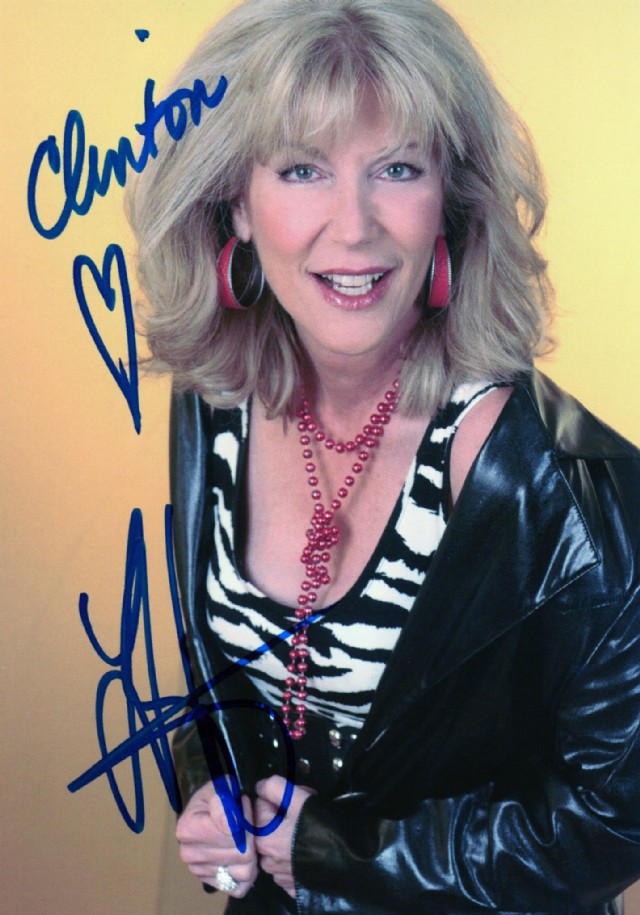
Jo Rizzo, an American singer, a talent to endure.
Kind and gentle, her music a sweet allure.
Linda Rizzo, a composer, creating melodies bright,
Music producer by day, she works into the night.
Natural with Italian roots, shining so right.
Outstanding singer, with a voice that soars,
Producer of music, crafting endless scores.
Quiet, a lovely lady, her presence restores.
Rizzo, a last name with grace to show,
Singer of beauty, her talents do grow.
Time reveals a lovely lady, in music’s glow.Joseph Finder – Thriller Writer
Opening doors to suspense and chill.
Secrets uncovered, deep and dark,
Exploring minds, leaving a mark.
Paranoia, his first gripping tale,
About a man whose life begins to derail.
Ruthless corporate games, who can trust?
A chilling ride, no one’s guilt is just.
Novels like Company Man, The Fixer,
Intrigue, deception, and crime, delivered with rigor.
Author of thrillers, unraveling plots
Stories filled with betrayals, tying tight knots.
High Crimes brought to the screen, full of suspense,
In the film, Ashley Judd and Freeman made the tense.
Crimes and lies, in the shadows they hide,
Reality bent, there’s nowhere to run or confide.
Eternity remembering the stories he tells,
Shocking plots, where danger swells.
From killers to high-stakes games,
Investigations unfold, with no one to blame.
Never ceasing to write, with every dawn,
Days pass, but his thrillers go on.
Readers are hooked, waiting for more,
On the edge, as they crave the core.
Finder, a last name of an American true,
In the world of writing, where suspense is brewed.
New novels written, each day a new plot,
Driving readers wild, a never-ending thought.
Eternity wonders where his mind will go,
Reality is some billions of years below.
Suspenseful tales that break through the night,
Opening doors to thrilling delight.
So may he write, as his stories evolve,
Thrillers that keep us searching for resolve.
In the world of murder and lies, he reigns,
Ever crafting tales that break our chains.
Dame Judi Dench – A Legend of Stage and Screen
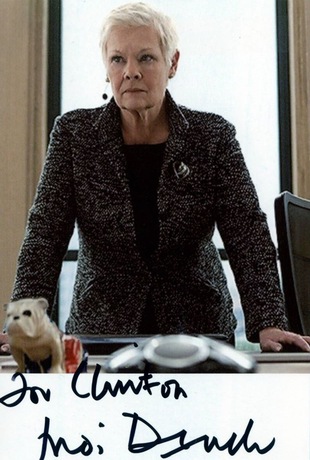
Upward her talent, a star in her place.
Drama queen of the Royal Shakespeare stage,
Immortalized roles that transcend every age.
Destined to shine, a career so grand,
England’s finest, a gem of the land.
Never forgotten as “M” of the crown,
Commanding respect in each royal gown.
Her legacy grows as time goes by,
Eternity remembers her sparkling eye,
The warmth of her smile, a lovely delight.
Emotion she weaves into every night.
An actress of grace, both regal and kind,
Spirits are lifted by her presence refined.
Time goes by, and love finds its place,
Her hopeless romance, a smile to chase.
Every role etched deep in our hearts,
As Dame Judi's brilliance forever imparts.
Juli Tapken – A Star of Grace and Talent
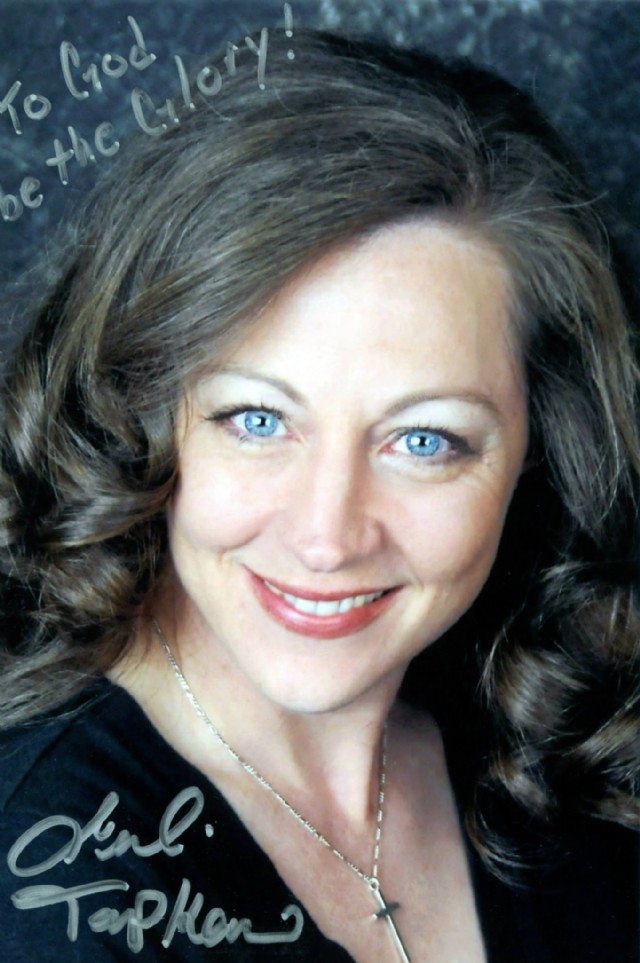
Unique and graceful, a true delight.
Lovely her presence, a radiant star,
Inspiring hearts from near and far.
Tapken, a name with elegance and flair,
Acting with poise, her talent rare.
Performing with passion, her art divine,
Kindness and charm forever align.
Eternally smiling, her warmth a treasure,
Never a moment that she cannot measure.
On the grand stage of life, she plays her role,
Juli Tapken, a heart and soul.
With every step, she leaves her trace,
A timeless star with unmatched grace.
Judy Cerda – A Voice to Remember

Unique and shining in every space.
Daily you bring joy to the stage,
Your voice a treasure that transcends age.
Cerda, a name etched in hearts and fame,
Eternally cherished, a luminous flame.
Reality echoes your laughter and cheer,
Dreams fulfilled when your voice is near.
Autographs gifted, gratitude shared,
Each note you sing shows how much you care.
Time, fleeting as moments, holds your art,
Every syllable spoken, straight from the heart.
Real joy radiates from your special gift,
Never-ending smiles, the world you uplift.
In every tone, laughter and love align,
Today and always, your voice will shine.
You inspire the world, one word at a time.
Judge Judy Sheindlin
Television Personality and Judge
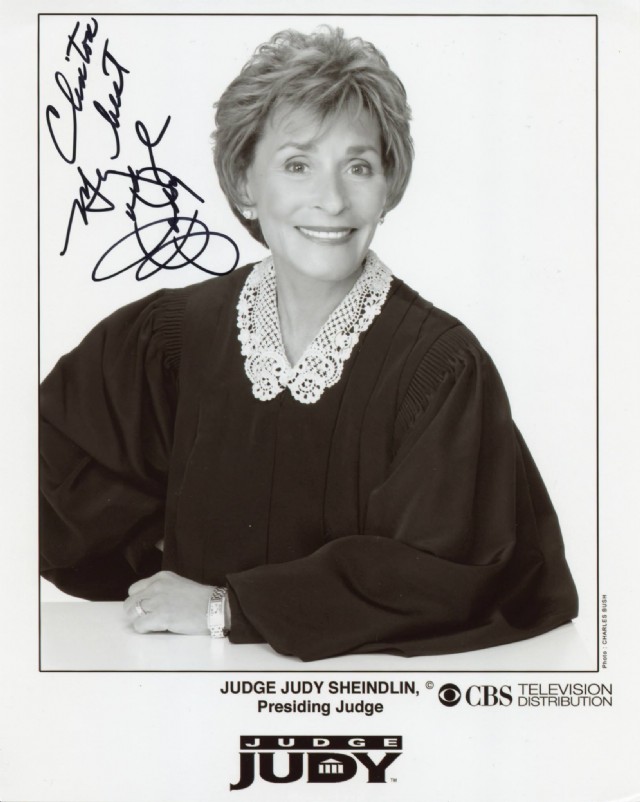
Kind judge, with attitude, from 1982 to 1996,
Lawyer from 1965 to 1996, with a powerful personality.
More people's trust in Judge Judy than all nine justices,
Of the United States Supreme Court, her fame undeniable.
Now, the question is, is she just?
Open eyes, wonder, as we question reality.
Backing someone with her wisdom, an enduring truth.Julianne Moore – A Timeless Actress
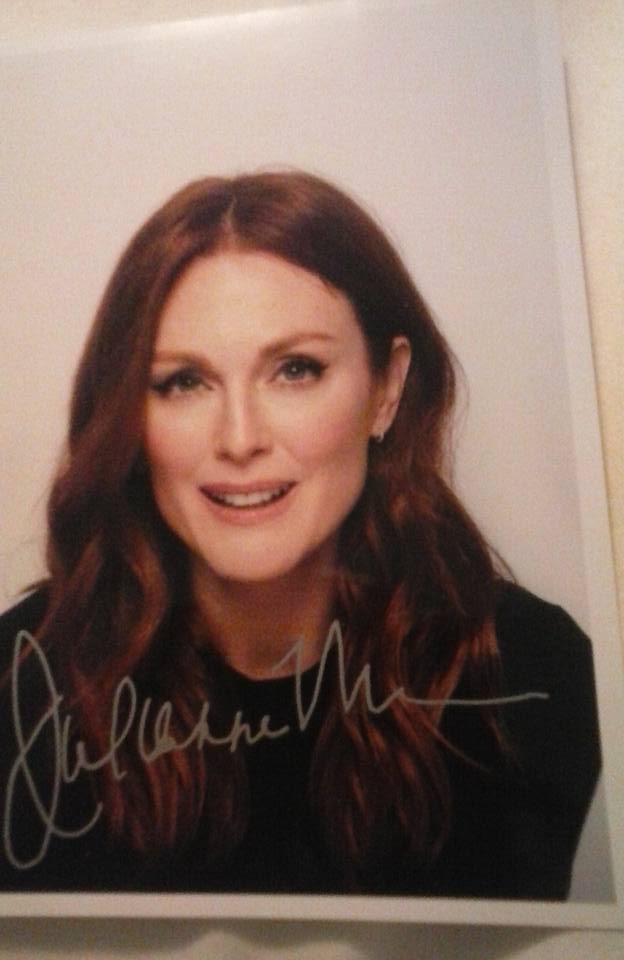
Unique roles have taken her far.
Living life with grace and style,
Indeed, her charm makes us smile.
An actress of depth, brilliance untamed,
Notable performances have earned her name.
Non-stop talent, a treasure untamed.
Moore, a last name that echoes with fame,
Open-hearted roles brought her acclaim.
Operator of intrigue in "Kingsman" so bold,
Remembered for stories timelessly told.
Eternally shining, a legend unfolds.
From "The Hand That Rocks the Cradle" to "Short Cuts" delight,
Julianne Moore graces the cinematic light.
A beacon of talent, with a smile so warm,
Eternity cherishes her captivating form.
Julie Mare Fernandez – A Versatile Talent

Unique presence shines near and far.
Life on stage and screen, she’s known,
Ilford-born, a talent grown.
Eternity remembers her as Brenda with cheer,
A beacon of laughter year after year.
Mare, a middle name of grace,
A model’s poise in every space.
Fernandez, a last name full of charm,
Eternally shining, a heart so warm.
Reality’s cone of light surrounds,
Nature’s beauty in her abounds.
A time to dream, to sculpt, to create,
Natural artistry, a lady innate.
Dreams unfold, her story grows,
Eternity smiles where her talent shows.
Z, the final letter, her name bestows.
From the BBC comedy stage to modeling’s art,
Julie Mare Fernandez wins every heart.
An actress, a model, a sculptor, a muse,
Eternity cherishes her multifaceted hues.
Jyrki Tapani Katainen – A Visionary Politician
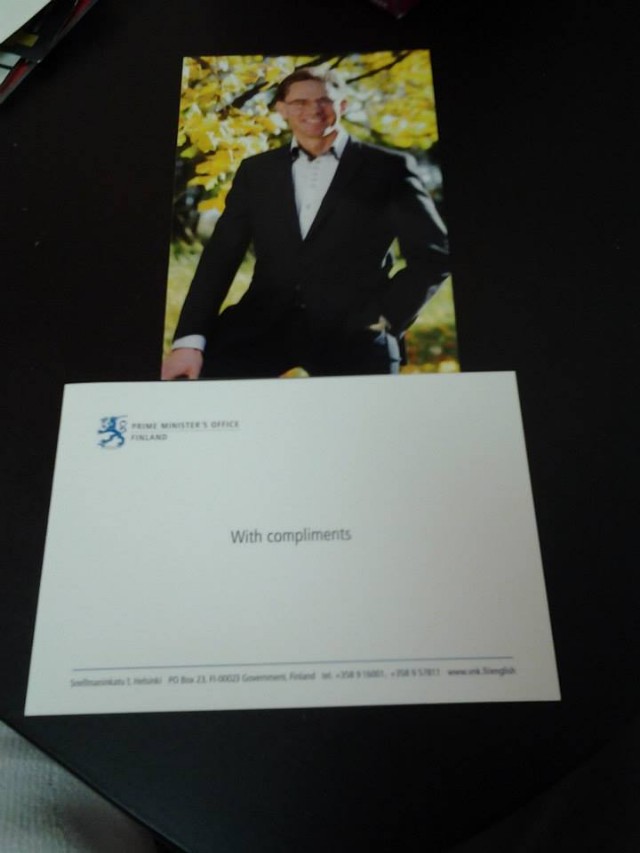
You realize his grand position.
Rising as Finland’s proud statesman,
Kind leadership marked his plan.
Indeed, he served with a steady hand.
Tapani, a middle name of grace,
A symbol of Finland’s hopeful embrace.
Katainen, a name of integrity,
A leader who shaped Europe’s unity.
In his tenure, reforms were bold,
National and European stories told.
Eternity will remember his legacy of gold.
Vice-President for Jobs, a European cause,
Memories of his time earn applause.
As Prime Minister from 2011 to 2014,
His vision for Finland was clearly seen.
Chairman of the National Coalition Party's name,
From 2004 to 2014, he earned great acclaim.
Finland, his home, with its vibrant skies,
Kind to Europeans, his policies rise.
Indeed, Jyrki’s life was lived with care,
A legacy of progress and vision rare.
Kamilla Senjo – A Dedicated Reporter
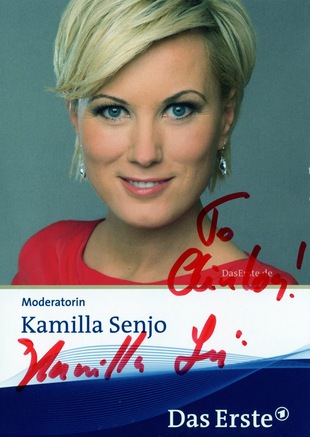
All smiles and beautiful eyes embrace.
Memories of speaking with world leaders,
In her words, the truth is delivered.
Lighting up the world with her radiant face,
Live for the laughter, love, and grace.
A long to be wonderfully surprised,
Journalism's heart, forever wise.
Senjo, a last name known to all,
Open smile, she stands tall.
For Ukraine, she brings hope and light,
Journalist of truth, ready to fight.
Eternity awaits a speaker so true,
Voice of a world with no unspoken view.
Reporter who never lies about what’s wrong,
Speaking the truth, her voice is strong.
Joy for the world of journalism's call,
Always truthful, her smile standing tall.
Senjo’s legacy, a story of light,
Katey Sagal – A Talent Beyond Measure
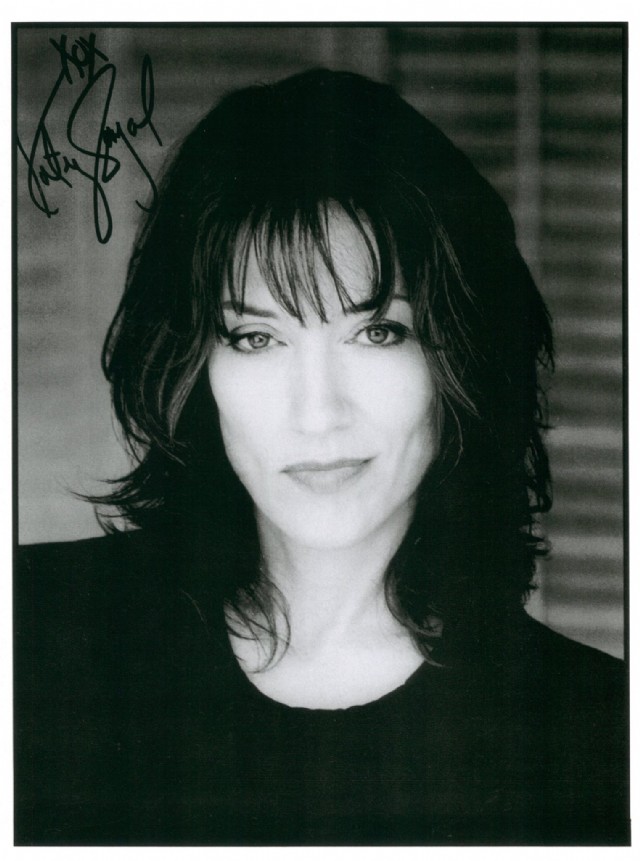
Actress with roles, none can compete.
Time is but a moment, fleeting like air,
Eternity, her heart, we hold with care.
You sing with a soul that shines so bright,
Saga of laughter, joy, and light.
A wild and comedic, with such grace,
Girl with iron, strength in her face.
Actress with so much soul and fire,
Live life with love, hearts she inspires.
She brings laughter, love, and cheer,
On screen, her spirit is always near.
Love for life, with joy and laughter true,
Sagal’s soul shines brightly, through and through.
Katrina E. Perkins – A Star on Stage
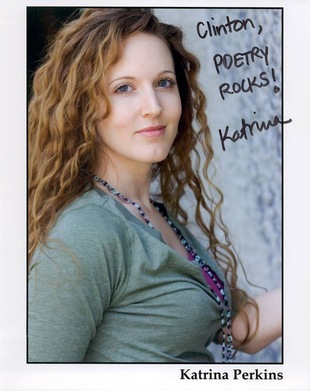
Actress with passion that touches the skies.
Time is but a moment, fleeting and brief,
Reality is a stage, a game so unique.
In New York’s heartbeat, she takes her stand,
Navigating the stage with grace so grand.
Acting on the streets where dreams are made,
Every role she plays, a mark is laid.
Perkins, a name that echoes in fame,
Eternity remembers the actress’s name.
Reality, a moment in time’s embrace,
Kindness and charity in her embrace.
In the game of life, she shines so bright,
New smiles, new stories, a guiding light.
Sensible reading, her name to acclaim,
Every act a masterpiece, forever her fame.
Perkins, a name that carries grace,
Reality, a game she plays with pace.
Kindness and beauty she gives to the world,
In every role, a new story unfurled.
Katja Rieckermann
"Horn Star" Saxophonist
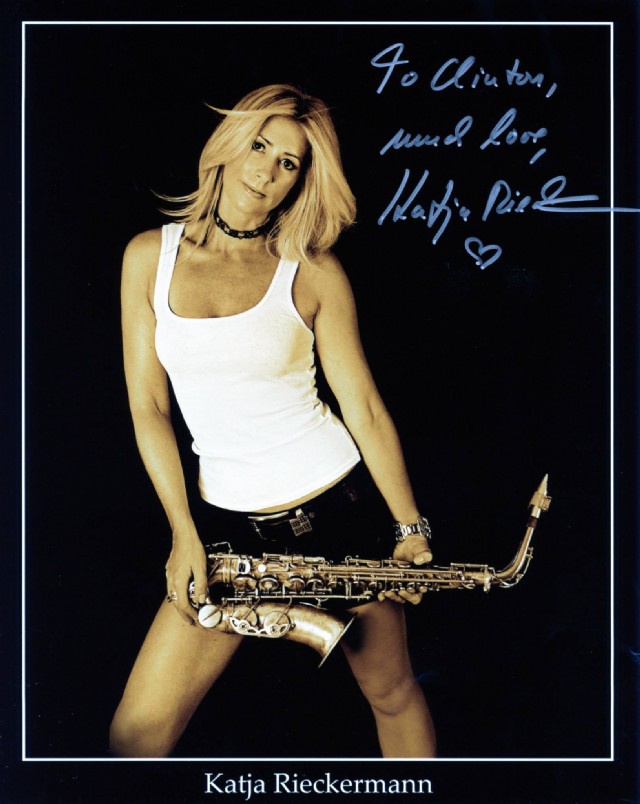
Lovely, sexy saxophone player, so bold,
Musician, performing with legends, filling the need.
With Rod Stewart, Brooks & Dunn, Al Green—so told,
Night-time player of songs that make hearts dance,
Open up on the saxophone, giving it a chance.
Play that music, white girl, with rhythm so grand,
Queen of the saxophone, leading the band.
Rieckermann is a "Horn Star," shining so bright,
Saxophone player to the stars, a timeless light.Kim Campbell – A Leader Remembered
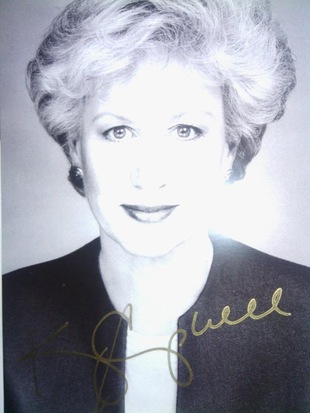
Indeed, a lady with a vision for the land.
Memories of a politician with grace,
Canada’s first female Prime Minister, a face.
A name remembered, a legacy in time,
Campbell, a Prime Minister, a name that shines.
A smile so warm, a politician so true,
Remembering her service to the red, white, and blue.
From Canada’s heart, she led with might,
In politics and life, she shone so bright.
Eternity remembers the best of her name,
Memories of Campbell, a part of history’s frame.
Love for the people, a life well served,
In the stage of politics, she never swerved.
For Canada, she walked with pride and grace,
Enduring as a leader in this vast, wide space.
Canada remembers her legacy with love,
A leader who rose from the stars above.
Never forgetting her strength and drive,
A testament to what it means to strive.
Kristen Stewart – A Star Beyond Twilight

Reality crowned with a César, shining afar.
In many a movie, her smile takes flight,
Snow White, a beauty in purest light.
Time is a memory of stories untold,
Eternity for vampires, legends unfold.
Now showing a smile, a spark so bright,
Stewart, an actress who owns the night.
Stewart, a name known across the globe,
Time weaves her roles into fame’s ornate robe.
Eternity of artistry, an actress sublime,
Weird how life revolves around time.
Actress of depth, talent, and grace,
Reality and fiction meet in her embrace.
Time is fleeting, but her legacy stays,
In each role, her brilliance plays.
Krzysztof Baranowski
A Sailor Who Went Around the World
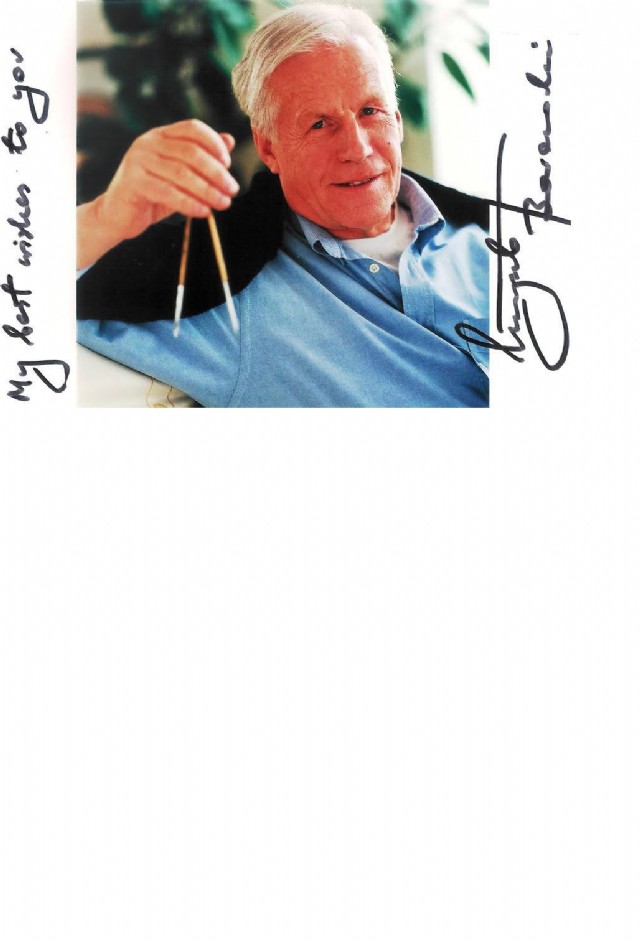
Reality sails twice around the world.
Zeal for the sea, his passion runs deep,
You read his words, in wonder, they keep.
Stories of oceans and places untold,
Zeal for life, on waves that unfold.
Time eternal, for a sailor so wise,
Oceans remind us, of time’s endless ties.
From Poland, a sailor who charts his own way,
Barunowski sails, where dreams have their say.Laid Back – Danish Electronic Music Duo
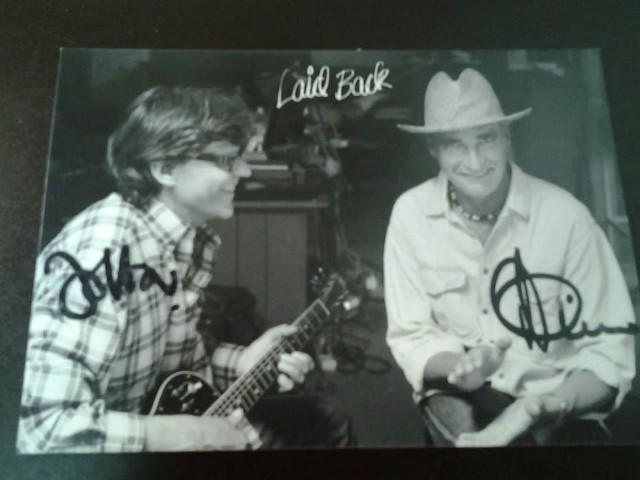
Artistry from Copenhagen profoundly renowned.
In 1979, John Guldberg and Tim Stahl combined,
Dazzling with "Sunshine Reggae," a timeless find.
Bakerman came, weaving its soulful thread,
A rhythm that lingers, keeps spirits well-fed.
Creators of "White Horse," their legacy’s bright,
Kings of chill vibes, bringing joy to the night.
Best known for hits like "Sunshine Reggae" and "White Horse" from 1983.
Down the years, their artistry shines through with classics like "Bakerman" from 1989.
Laid Back’s music transcends time, a perfect blend of chill and groove.
Lian Ross – The Queen of Disco

Infusing life into disco, a timeless art.
A voice that ignites the rhythm of the dance floor,
Never failing to leave fans longing for more.
Ross, a name synonymous with vibrant sound,
Openly captivating with melodies that astound.
Spreading joy through her disco anthems worldwide,
She reigns supreme as a singer with pride.
Her music, deeply rooted in the soul of the 80s, continues to inspire fans across generations.
With hits that light up dance floors, she stands as a timeless symbol of the disco era.
Lara St. John – Canadian Violin Virtuoso
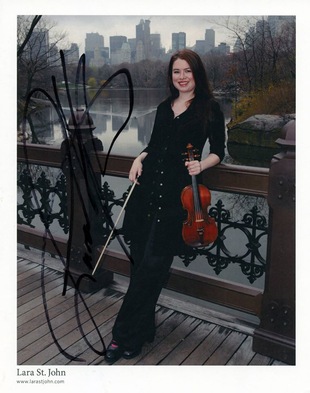
A violinist whose performances are both fierce and bold.
Refining melodies from streets to HBO's Game of Thrones,
A captivating presence, her music touches hearts and bones.
Streets or concert halls, her bow brings magic alive,
Timeless pieces performed with passion that thrives.
John, her name echoes through symphonies and song,
Over stages worldwide, her brilliance belongs.
Home in Canada, where artistry blooms,
Near eternity, her violin resounds in countless rooms.
Known for her genre-defying performances, she has played on the streets, in grand concert halls, and even collaborated with HBO.
Her music bridges the classical and contemporary, redefining what it means to be a modern violinist.
Lawrence Joseph McReynolds III
NASCAR Analyst & Crew Chief

Being part-owner of Bang! Racing, so bright,
Crew chief of NASCAR, a role he’ll never quit.
Dream on, racing—Lawrence's analysis of cars,
Eternity has caught eternity, speeding afar,
Find the next curve for the driver, is it slick or dry?Leigh Lombardi
Actress Known for Murphy's Law and Ocean Ave.
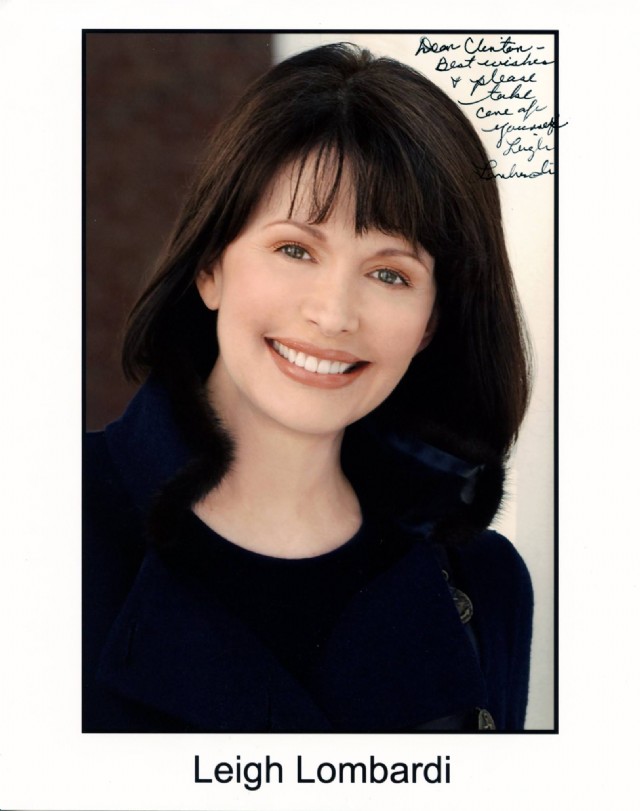
I enjoy her smile, it’s what I adore,
Mike Hammer guest star, as Nancy Madden, she’s the star.
Natural voice over, where her smile shines bright,
"Ocean Ave." her starring role, in the soap's spotlight,
People love her smile, it lights up the night.
Queen of the small screen, her grace so true,
Reality, a lovely lady, through and through,
With a smile that captivates, she knows what to do.Lisa See
Author and Novelist

Buddha's quote remembered or a book of delight,
Lisa See, author with a heart full of light.
"China Dolls" reveals a world forgotten,
The world of Chinese American dolls, long-buried and rotten,
Nightclubs and performers from the 30s and 40s, they were begotten.
Elegant as Buddha’s wisdom on truth untold,
"Only three things cannot be long hidden: the sun, the moon, and the truth," bold,
Her words like treasures, shining, never growing old.
Friendly Lisa See, a novelist with grace,
Her stories unfold in a warm embrace,
A girl who writes with a lovely face.
Honest author with a fine look,
Her books are treasures, each page a hook,
Lisa See, a gem in every book.Louisiana State University Baseball Team: Champions of Tradition

Lucie Bílá: The Pop Singer of Europe

Magdalena "Lena" Neuner: The Legendary Biathlete
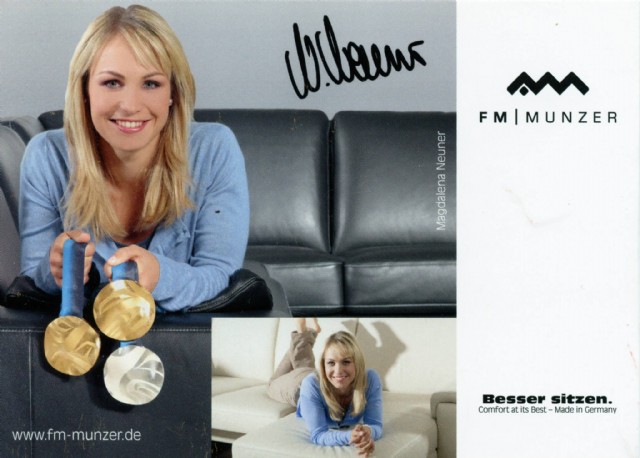
Magdaléna Vášáryová: The Actress and Politician
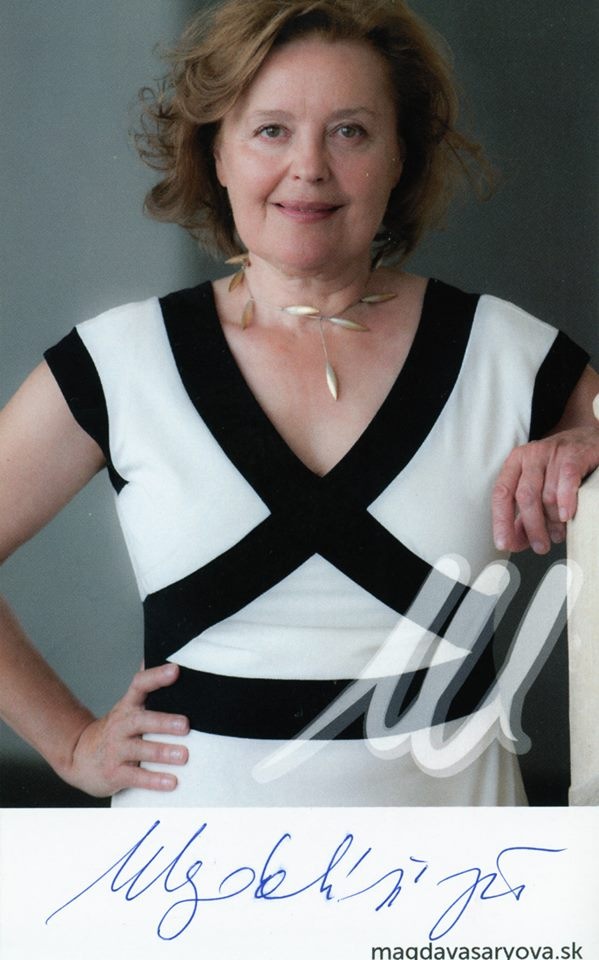
Magic Unlimited: Oscar, Renzo & Mara
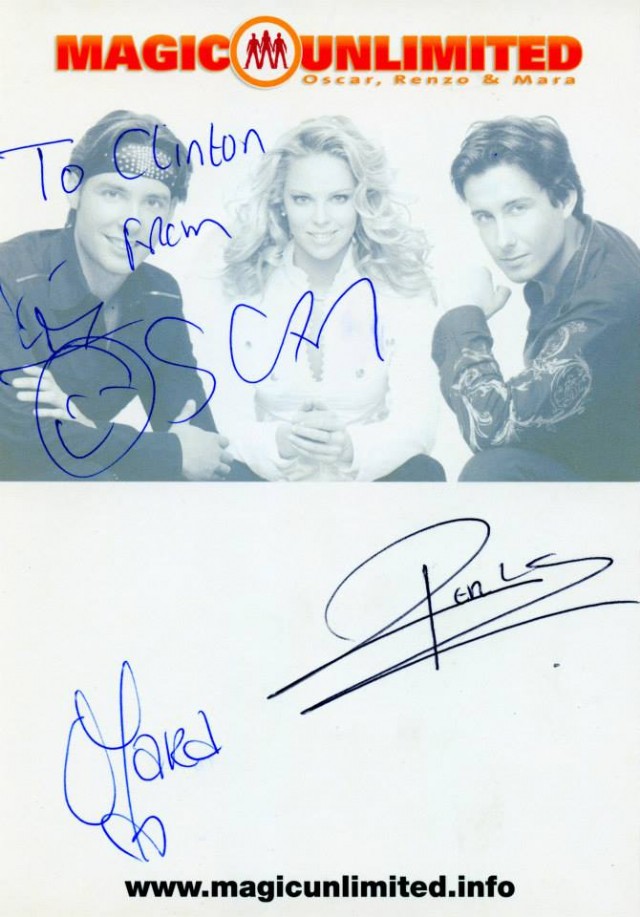
Malena Ernman: The Opera Star
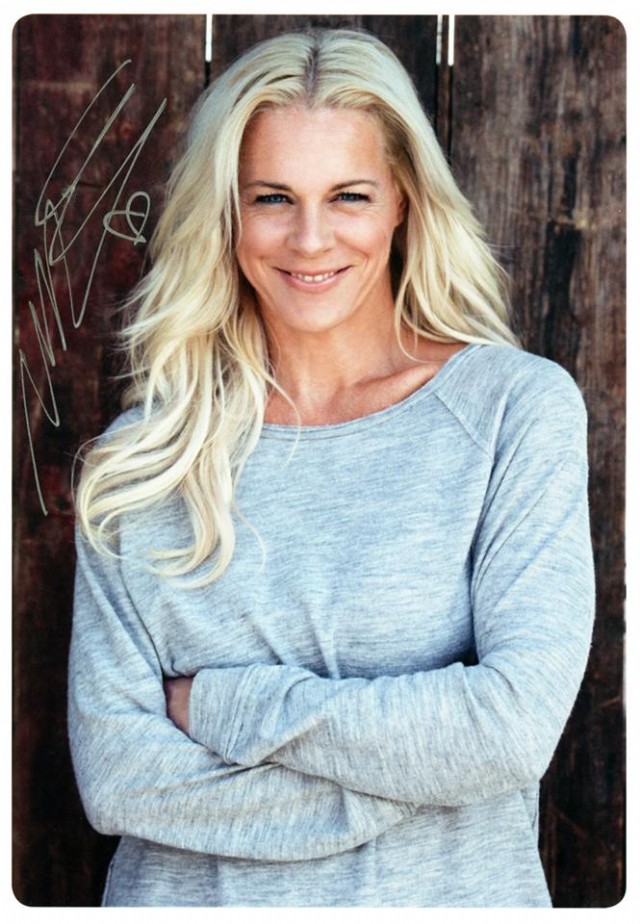
Manuel Machata
Bobsledder and Coach
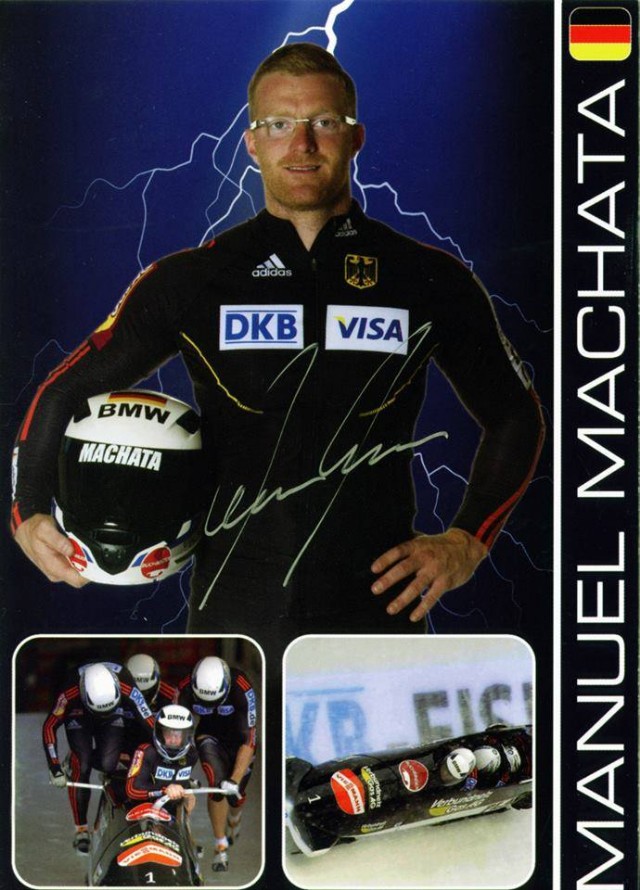
Manuel Machata grew up with ambition and aim,
A member of the team, he earned his name.
Born in Ramsau, Germany, he found his way,
A bobsledder’s heart, racing night and day,
Competing from 2005 to 2015, leading the fray.
Olympic gold, silver, bronze in his grasp,
Placed in two-man and four-man, his skill will last,
A bobsled champion, with medals amassed.
From Germany to China, a coach he became,
Guiding their bobsled team, igniting their flame,
With strength in his legs and an unspoken aim.
Quiet and focused, with power untold,
A bobsledder’s spirit, brave and bold,
Manuel Machata, a legacy to behold. Mariel Leigh Zagunis
A Sabre Fencer Who Achieved Glory
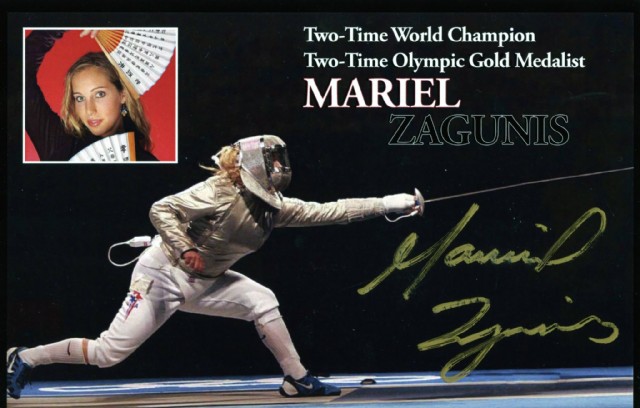
American gold, her story unfolds.
Reality shines with Olympic gold,
In 2004, she struck, her victory told.
Endurance and strength, in every fight,
Living for fencing, a dream taking flight.
Like a sword, she strikes with grace and speed,
Leaving her mark, a champion indeed.
Yet again, in 2008, gold she claimed,
Zagunis, world champion, a legacy named.
A cook, in the kitchen, a challenge embraced,
Great eyes that show the passion of her race.
Upward, her gaze, fierce and true,
Nice, gracious smile, with victory in view.
In the world of fencing, she’s won twice the crown,
Smile of a champion, no one can bring her down.
Sabers raised high, Zagunis leads the fight.Mark Brine: The Country Musician
Mark Leslie Fox: The Basketball Coach
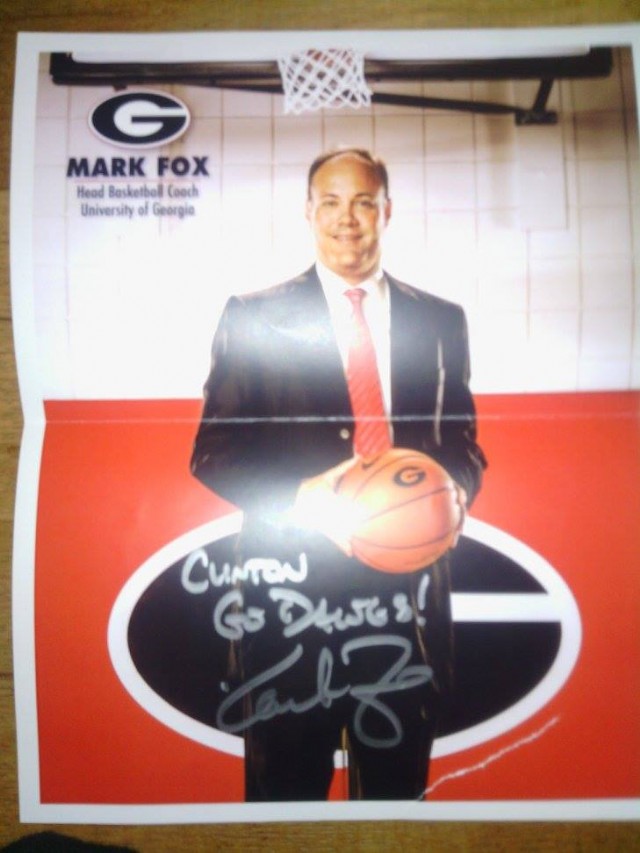
Mary Jane Heath
Filmmaker and Actress
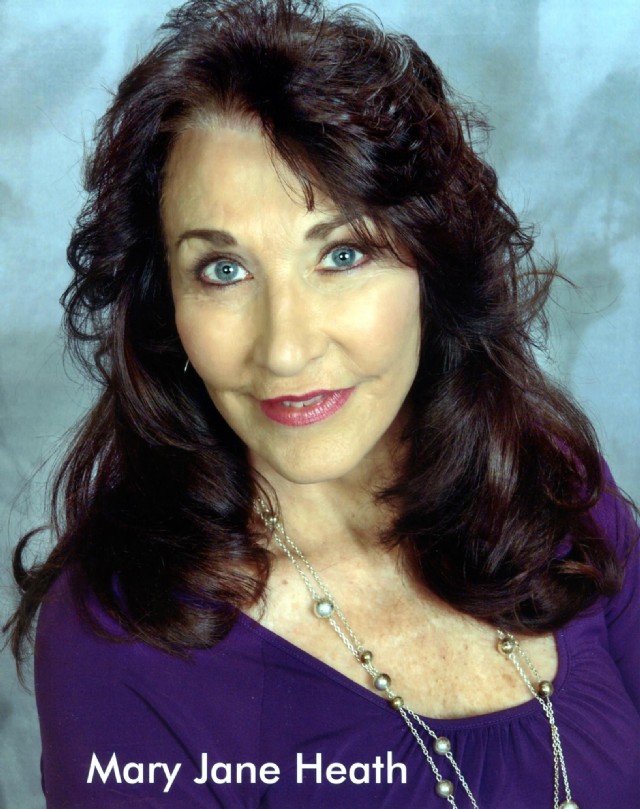
In documentaries, short films, and commercials, she thrills,
Her knowledge of cinema, unmatched, gives her a thrill.
Operating cameras for infomercials and more,
With 35mm, SD, HD, Red cameras galore,
Her work on set leaves you wanting to explore.
A quiet actress in several films she's been,
Her beautiful eyes capture hearts within,
A smile so wonderful, bright and keen.
Time, like a chime, reminds us all,
Of this lady's grace, her talents stand tall,
Mary Jane Heath, a true film artist, after all.Maureen McGovern: The Beautiful Actress
Maxi Biewer: Germany's Weather Forecaster and Actress
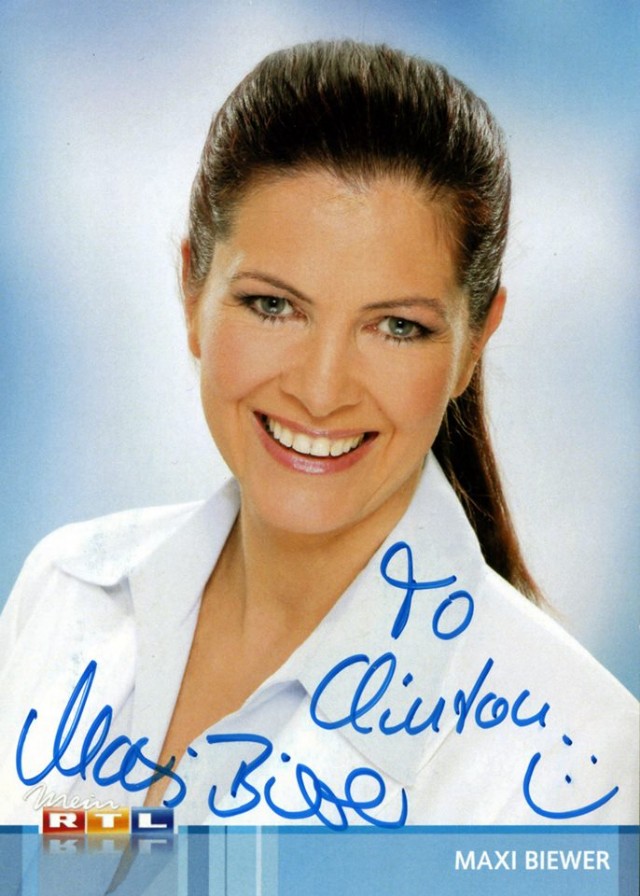
Michael Cartellone – A Wild Hard-Rock Drummer
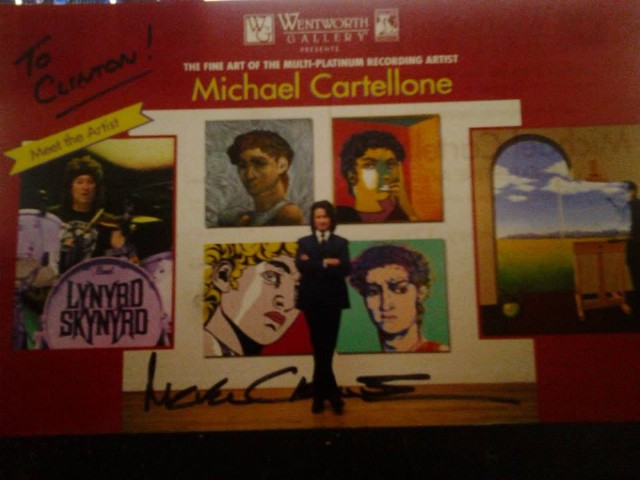
Indeed, a moment in time for a drummer's beat,
Counting many fans, with music so sweet.
Heavenly southern rock, drumming so loud,
Away to be a rock drummer, standing proud.
Eternity is a moment in time with the beat,
Living life with love and laughter, so neat.
Cartellone – a last name of a drummer,
An artist with paint and drums in his hand,
Reality is but a moment in time for this man.
With a Damn Yankee drummer, time stands still,
In the moment of drumbeats, the heart will thrill.
Eternity is a moment in time for the heart of a drummer,
Living with love, with laughter like no other.
Love life in the rhythm of a drummer's mind,
Only time will tell the legacy of the kind.
Neat beat of a drummer, eternally strong,
Waiting for the extreme drummer's song.
Michael Heltau: The German Actor and Singer
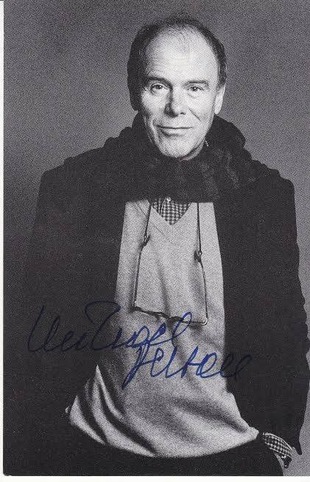
Mike Cornett: Mayor of Oklahoma City
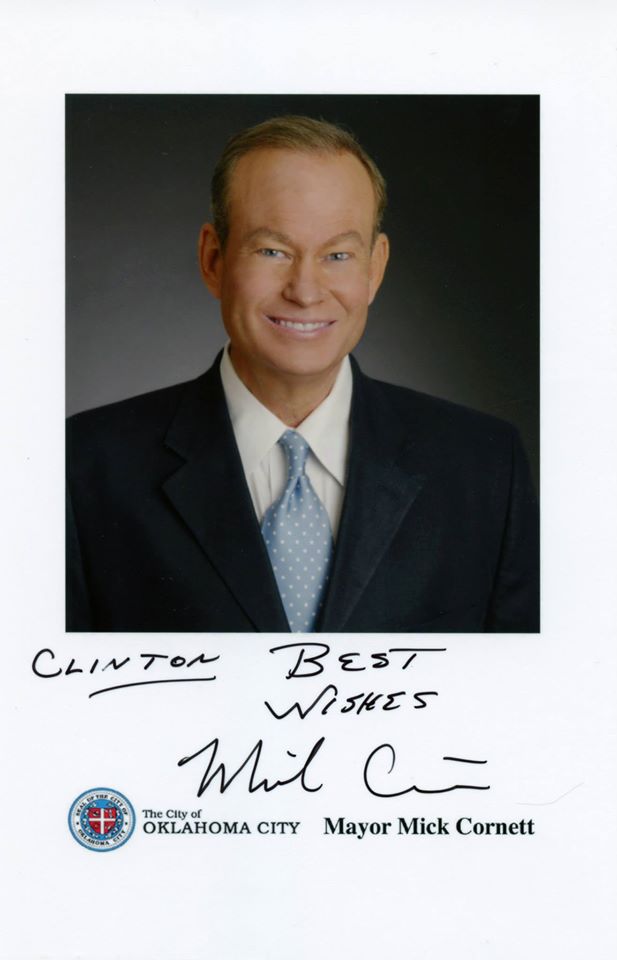
Senator Mike Lee
Politician and Leader
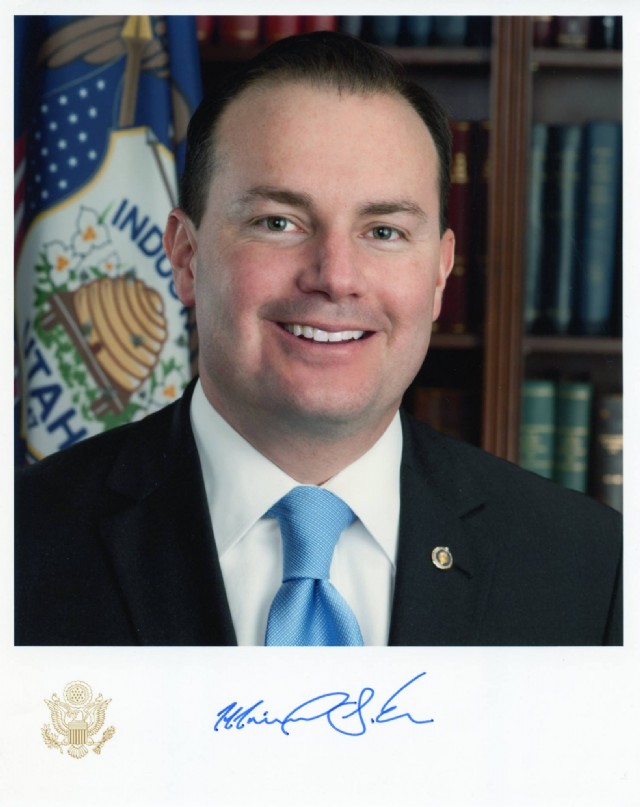
Mike Lee, the Senator from Utah, it's true,
A libertarian voice in a world so new.
With an open smile, he greets the crowd,
A politician who speaks strong and loud,
His presence as a senator makes us proud.
Time may remember him for what he’s done,
A leader in Utah, second to none,
Senator Mike Lee, always on the run.Miller Gaffney: The Art Advisor
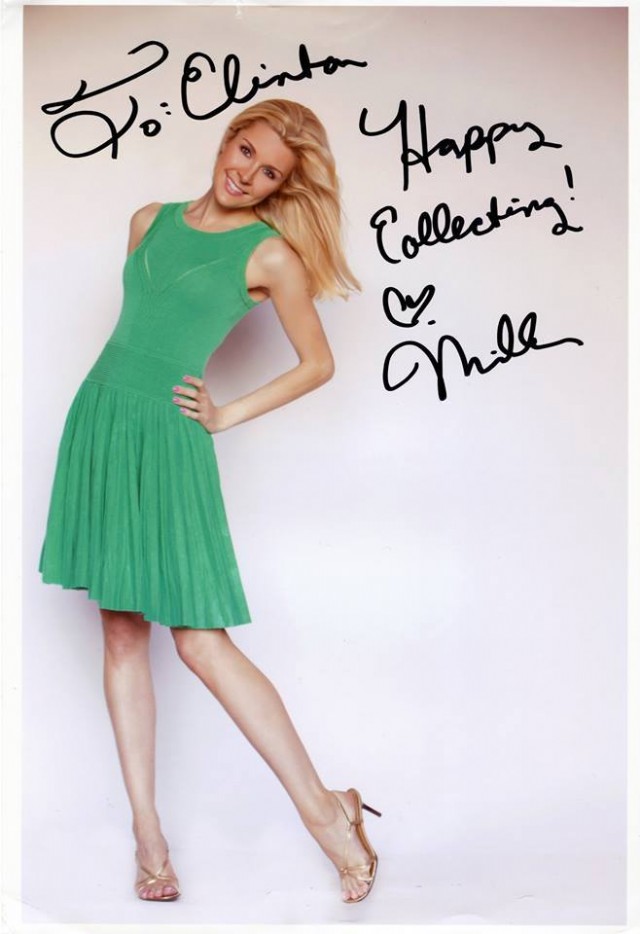
Natalia Lesz: The Beautiful Polish Actress
Natasha Martinez: Ms. California
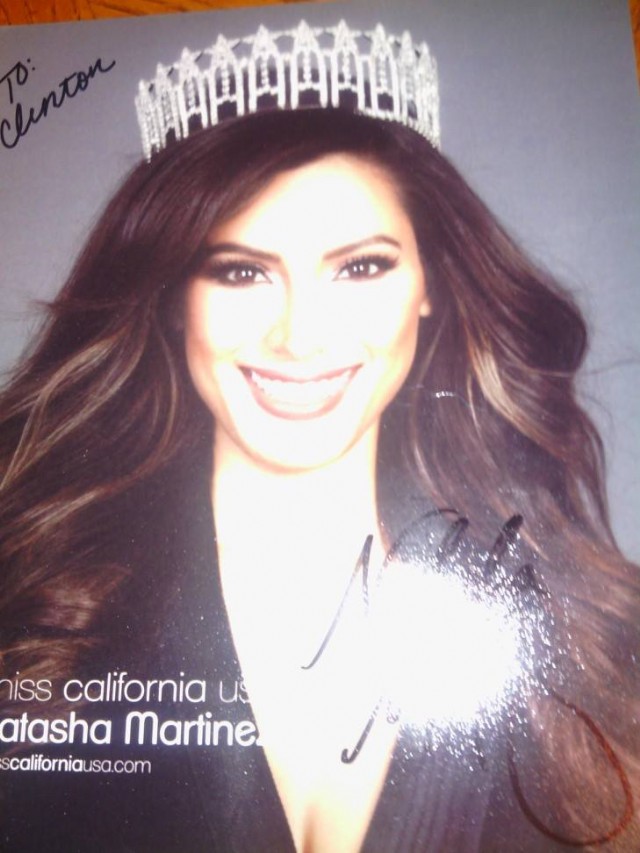
Neil Diamond
A Masterful Singer
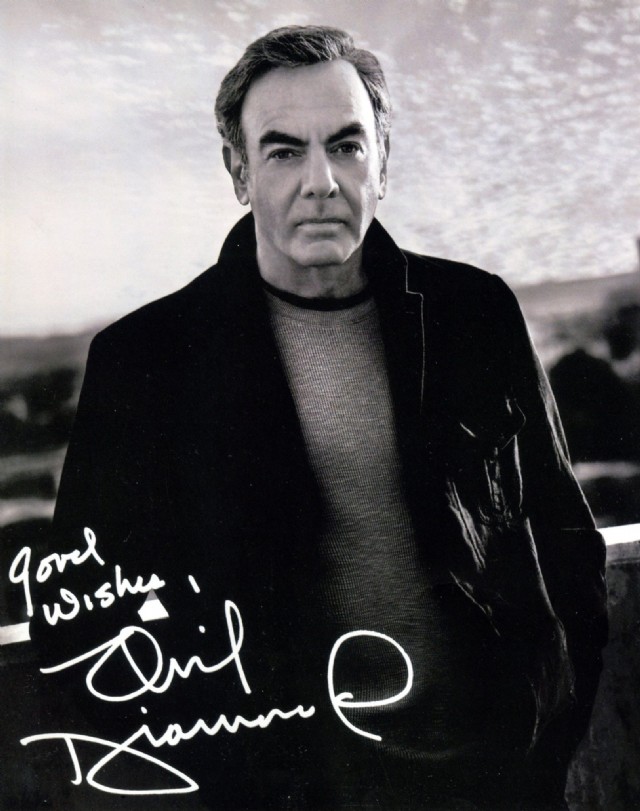
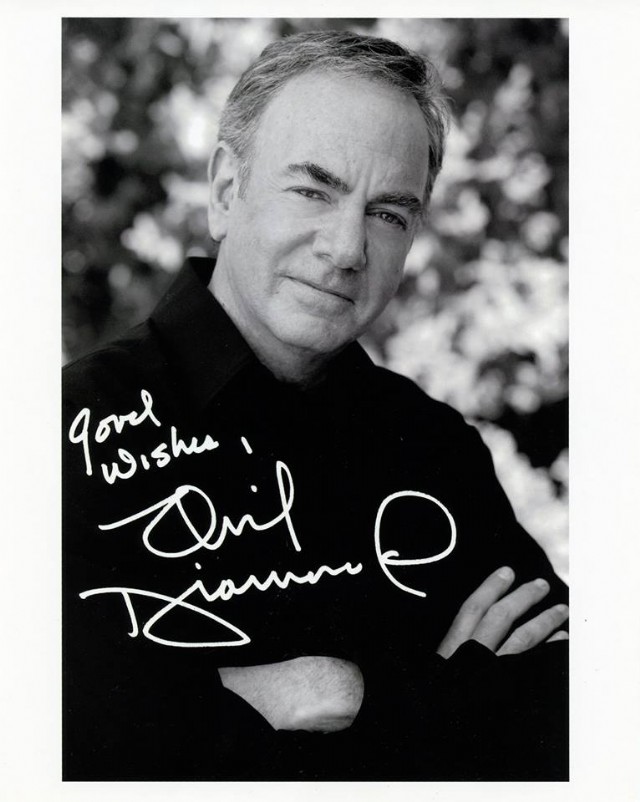
With memories that take us to a different place,
A voice that lingers, a soulful stinger.
Open microphone, his voice takes flight,
Popular through the years, shining bright,
Quiet yet powerful, with a message so right.
Reality sets in, I enjoy your song,
A timeless voice that will always belong,
Neil Diamond, your music is strong.
Unique melodies that echo through time,
Your tunes cross waves, a rhythm sublime,
A legend in music, your voice is prime.Nelson DeMille: Author of Novels and Films

Pat Summitt: Legendary Women's College Basketball Coach
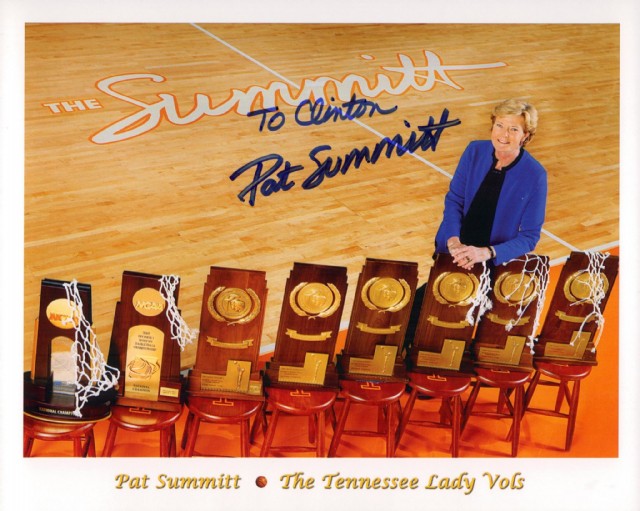
Patryk Pachura
Race Car Driver
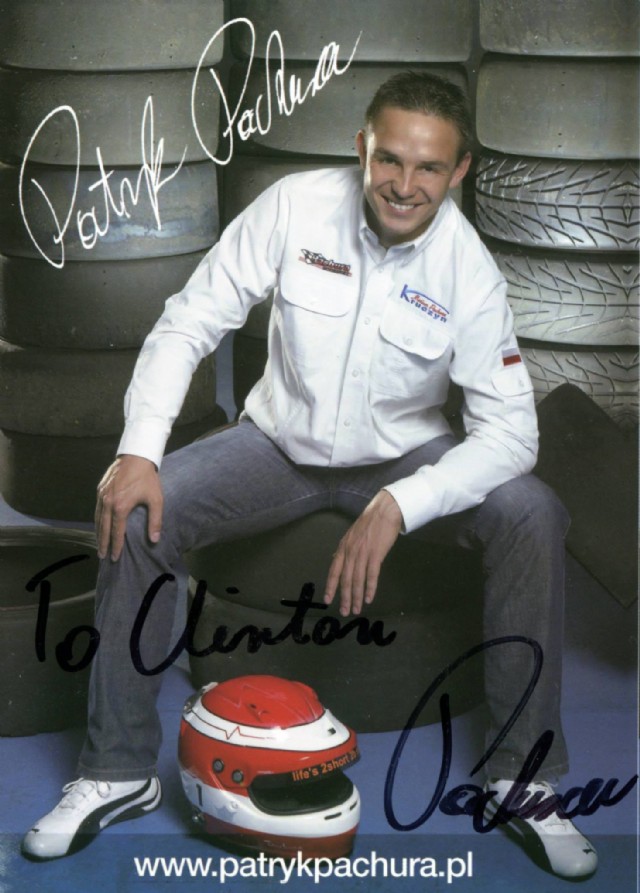

Quiet driver, racing far.
Around the track, he takes the lead,
Steering through each twist and speed.
Timed precision, every move,
Unique Polish driver on the groove.
Victory lap, the crowd's cheer,
Winning the race, the end is near.Paul Chryst: Football Coach
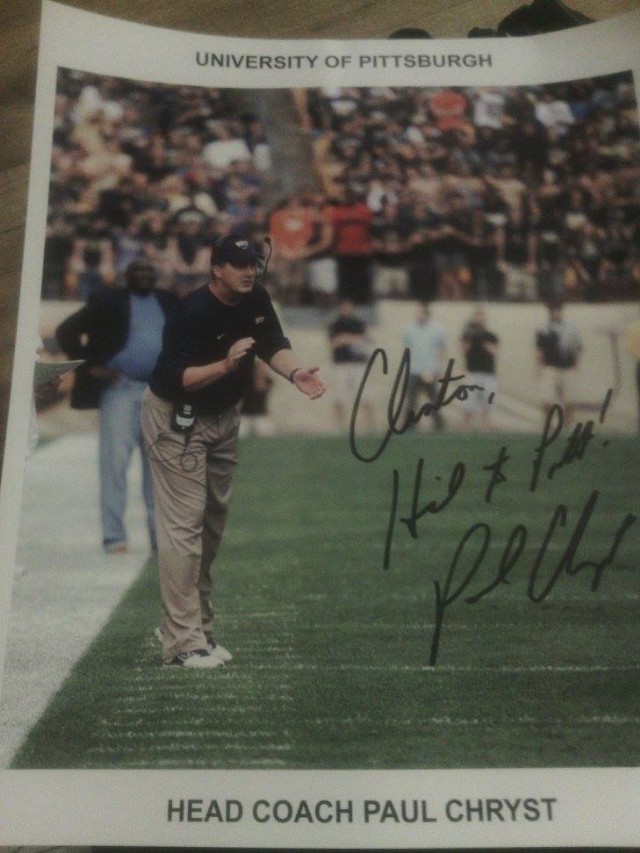
Pedro Almodóvar: Spanish Director, Producer, Actor, and Writer
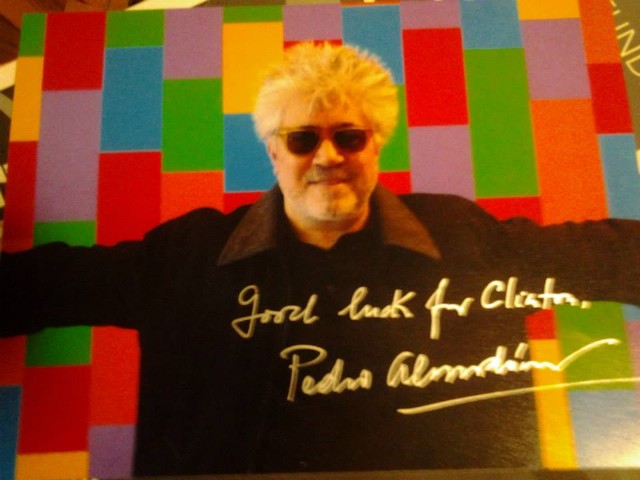
Peter Agre: Nobel Prize-Winning Doctor and Chemist
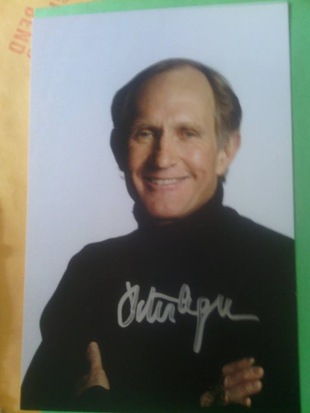
Phil Martelli: Basketball Coach
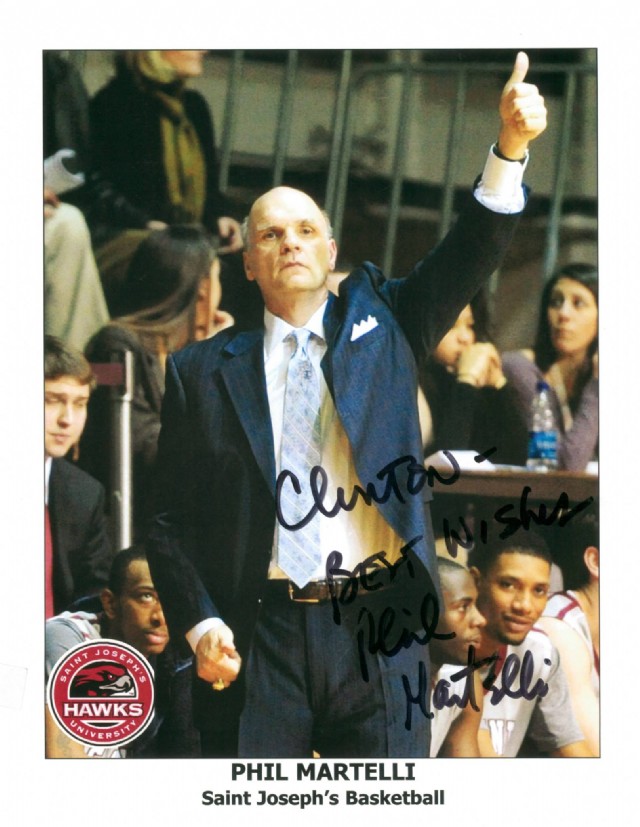
Phil Proctor: Cartoonist and Creator of Laughter
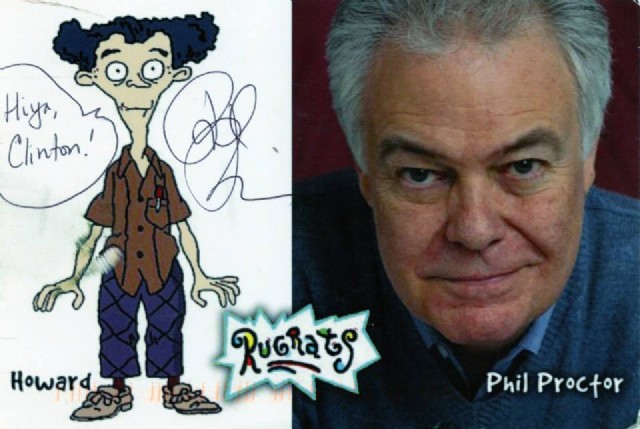
Pino Giuseppe Caruso: Italian Actor, Author, and TV Personality
Rand Paul
Senator from Kentucky
Questioning his childhood, son of Ron Paul, so lucky.
Rand Paul, an American politician and physician,
Serving Kentucky with precision.
Senator from Kentucky, standing tall,
Time for Rand Paul to challenge Romney's call.
Unless, of course, he questions Hunter's stance,
Asking why he pays taxes, but others seem to dance.Rex Walters: Head Basketball Coach at University of San Francisco
Roland Martin: Professional Sport Fisherman

Sabine Bätzing-Lichtenthäler
German Politician
Stop hurting people, let peace be our guide.
Politician of Germany, with a gentle air,
Quiet demeanor, but wisdom to share.
From Rhineland-Palatinate, she takes her stand,
Sabine Bätzing-Lichtenthäler, with red hair so grand.
A State Minister of Social Affairs, so true,
Labour and Health, her work never through.
Unique and vibrant, a politician bright,
With vivid red hair, a shining light.
A leader who serves with strength and grace,
Sabine's vision for Germany, a steady pace.Sabine Urban
Actress with Lovely Eyes
Oh, an actress with talent, a pure delight.
Popular in reality, her charm does unfold,
A queen of the screen, her story untold.
Reality shows her as a lovely lady,
Sabine Urban, with eyes so wavy.
Unique and vivid, her gaze is profound,
Her lovely eyes, a beauty unbound.
The uniqueness of an actress’s gaze,
Captures hearts in so many ways.
Vivid, lovely eyes that light the skies,
A treasure found in Sabine’s eyes.Sabaton: The Protection of Sweden

Sandra Gal
Beautiful Golfer


With a beautiful swing, she sets the pace.
Cute with a smile that’s friendly and bright,
Dreaming of courses, from morning to night.
Evergreen fairways, she swings with ease,
A friendly German lady, who aims to please.
A gal on the green, with skill and fun,
Hoping for a hole in one, she’ll get it done.
Just watch the swing of a golfer so fine,
With a kind smile that’s simply divine.
Lady Sandra, with a graceful stride,
A beautiful golfer, full of pride.
Her swing is smooth, her aim is true,
A wonderful lady, through and through.
With a smile that shines, and a heart so bright,
Sandra is a golfer, a true delight.Sarah Downs
Queen of Idaho
Queen of Idaho, shining through.
Reigning in 2013, a crown so bright,
Sarah Downs, in her royal light.
From Emmett, Idaho, she took her stand,
Time will remember, her royal hand.
A queen who captured hearts and more,
Miss Idaho, a legacy to adore.
Universe awarded, a Four Point prize,
Her talent and beauty touched the skies.
With violin in hand, she played with care,
"Orange Blossom Special," a tune so rare.
What a wonderful song, so full of grace,
Sarah Downs, a queen in every place.Savannah Outen: A Wonderful Singer

Şevval Sam: A Turkish Singer and Actress
Sinplus: Congratulations on the MTV European Award
Sondra Radvanovsky: A Wondrous Soprano Voice
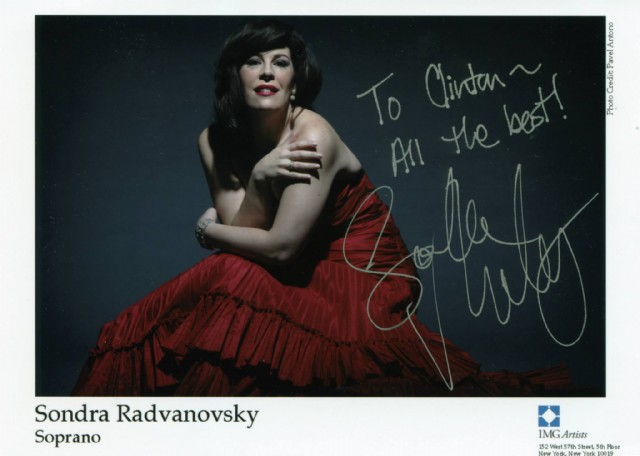
Steve Alford: A Legendary Basketball Coach
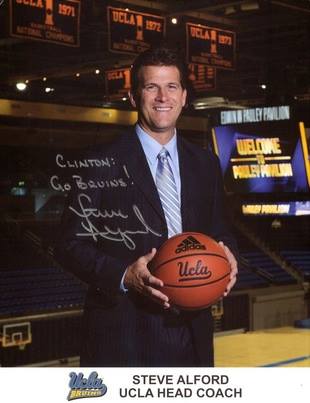
Steve Forbes: A Visionary in Finance and Journalism
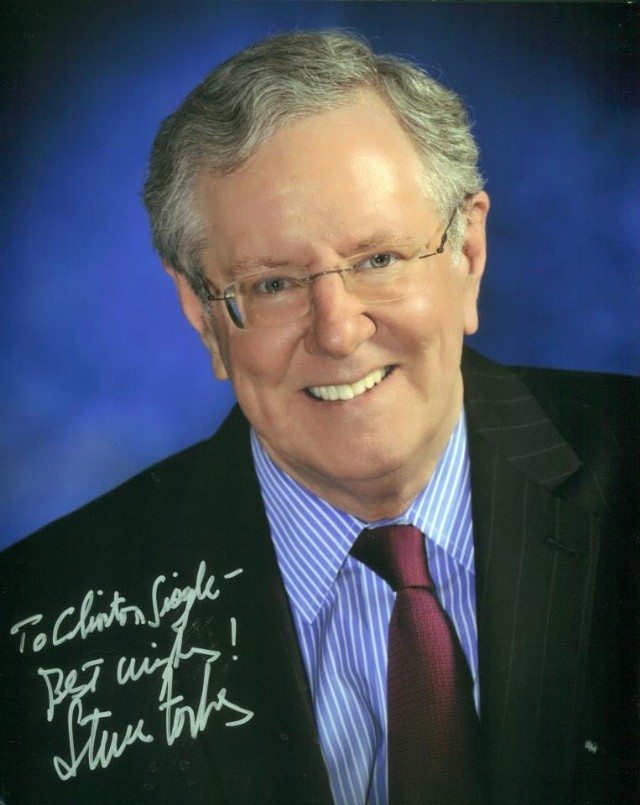
Susan Lulli: A Beautiful Actress and Accomplished Author
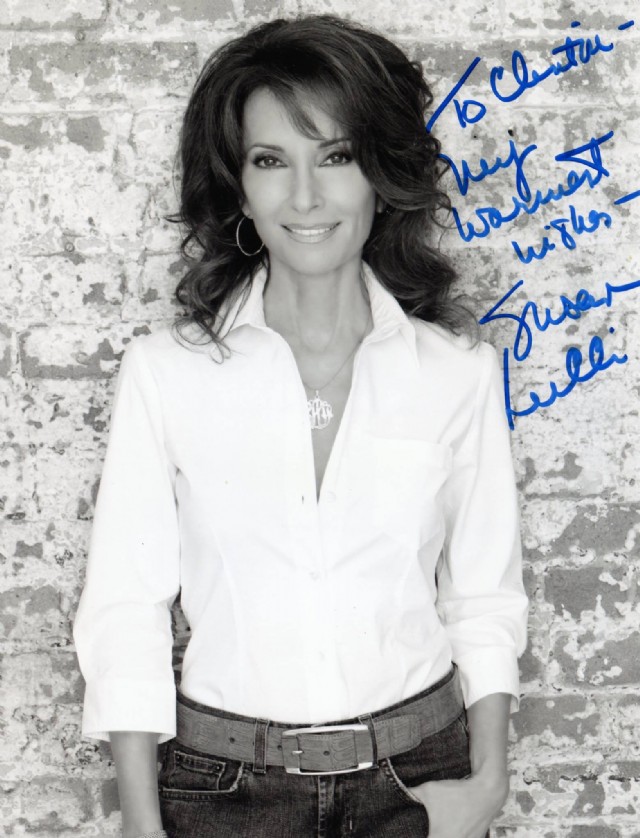
Tania Gunadi: Actress and Voice Actress

Ted Ferguson
Actor & Voiceover Artist
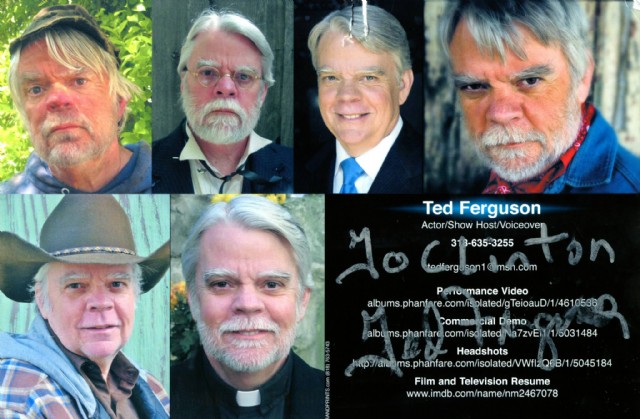
Eternity in commercials, films, and TV’s name.
Dreaming of stardom, of fame and light,
Movies and television, reaching new height.
Ferguson, the last name known well,
A voiceover artist with stories to tell.
Acting in every role, ever true,
Bringing characters to life, old and new.
Reality, the life of an actor's art,
A great character, played from the heart.
A unique voice, a seasoned pro,
On the microphone, his talents show.
A newsworthy character, in every scene,
Ted Ferguson’s legacy remains serene.Tess Broussard: Actress, Comedian, and Fitness Model

Tim Beckman
Memories of a Football Coach
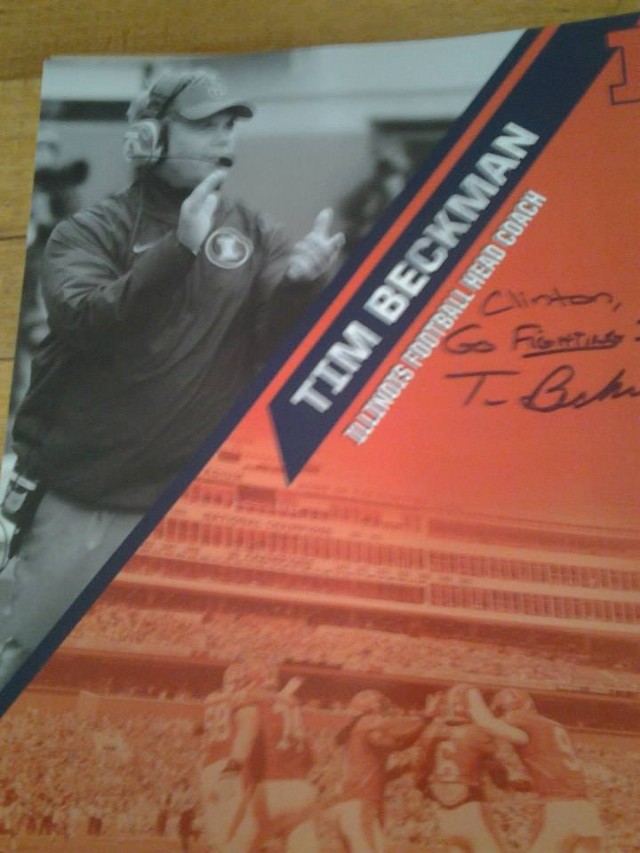
Guiding teams through cheering crowds.
Toledo's leader, from '09 to '11,
Dreams of victory, chasing heaven.
At Illinois, from '12 to '14,
Memories linger, moments serene.
A record of 33 wins, 41 defeats,
Life's lessons played on football's fields.
Eternity watches the game unfold,
Stories of players, coaches bold.
Kind to this poet’s memory dear,
Football dreams through every year.Autograph Muse Acrostic Name Tim Scott
United States Senator of South Carolina
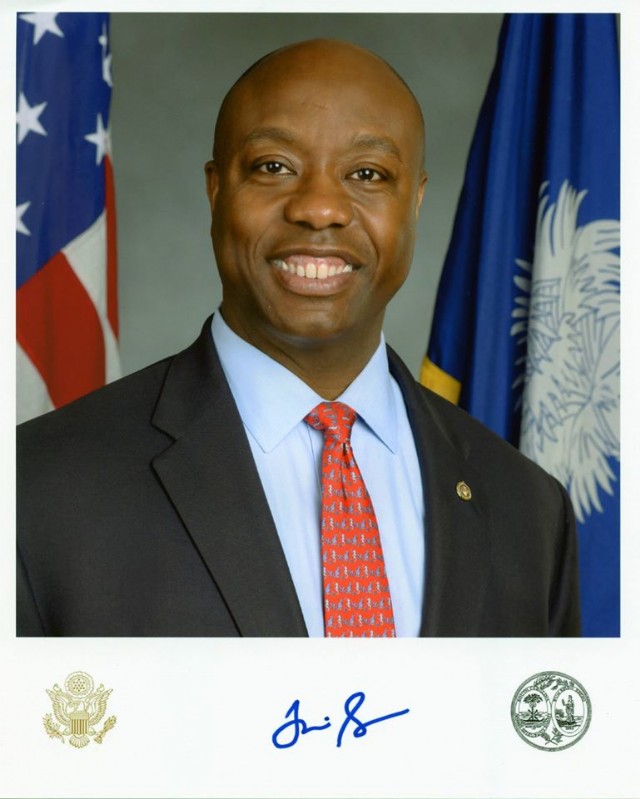
Indeed, a servant of the people, genuine, fine.
Memories linger of a hopeful call,
To help South Carolina, to stand for all.
Scott, the last name of a leader true,
A candidate running, seeking to renew.
Open smiles greeting all he meets,
Time for change and law’s new beats.
Time for enforcement, fairness, and care,
A servant of justice, a vision to share.Tony Blair: A Visionary Leader
Prime Minister of the United Kingdom (1997–2007)
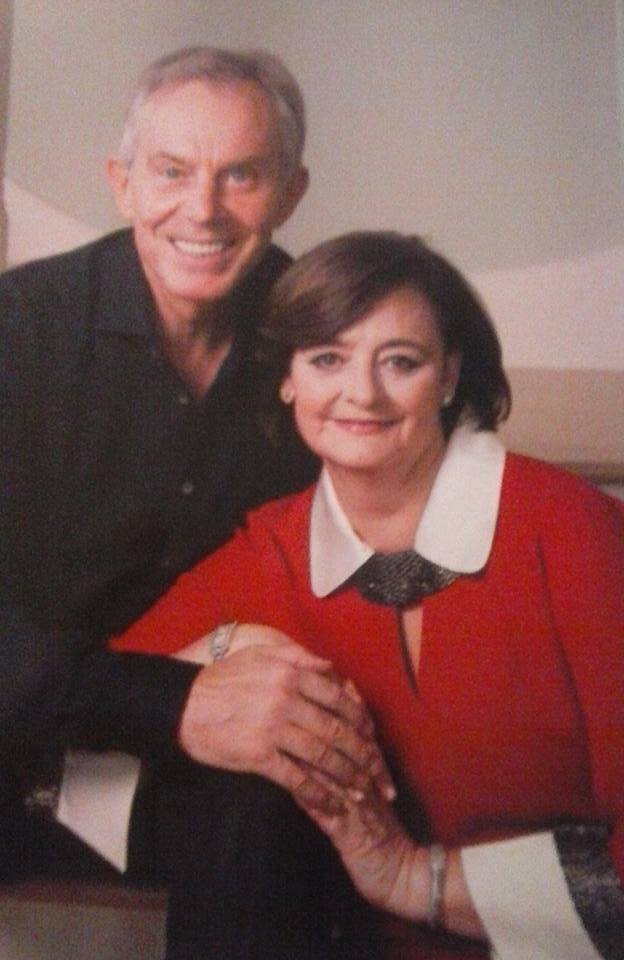
A British leader whose vision was clear.
Prime Minister from '97 to '07,
Guided Great Britain, a decade in heaven.
Leader of Labour, a party renewed,
From '94 to '07, with hope imbued.
At 43, the youngest PM since 1812,
Blair's legacy in history deeply delves.
A public figure of enduring acclaim,
Through Ireland's peace, he earned his fame.
Reality shows a hero's guise,
A Prime Minister seen through admiring eyes.UConn Women's Basketball
Champions of the Court
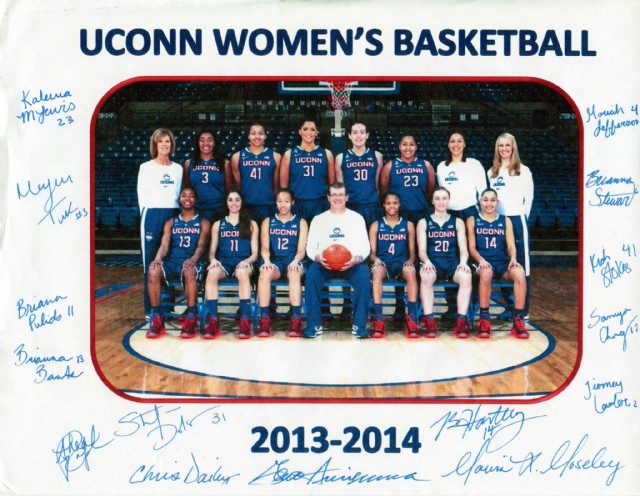
In 2014, they took the fight.
A perfect season, 38-1,
Coach Auriemma, a job well done.
A dream team at the University of Conanicut,
Eleven players, with hearts so pure.
Four coaches guiding them to the top,
On the court, they could never stop.
Friendly ladies, with skill and grace,
Winning the championship, setting the pace.
A team that truly played as one,
UConn’s glory, second to none.
Honestly, a wonderful squad,
A legacy that will forever be awed.Ursula Bruhin: A Champion on the Slopes
Swiss Snowboarder Extraordinaire

A Swiss snowboarder blazing snowy trails.
In slalom’s twists, her prowess shown,
A unique lady, her skills have grown.
Living life with grace and charm,
A champion’s heart, her strongest arm.
In 2001 and 2003, the world could see,
A parallel giant slalom queen was she.
Reality proves her greatness true,
Up and down, the slopes she flew.
An honorable lady, neat and bright,
In snow’s embrace, her future’s light.Viktor Orbán: A Leader of Hungary
A Statesman of Strength and Vision

A Prime Minister of national pride.
Indeed, a politician with vision clear,
Kind to his people, held so dear.
Time will tell in eternity's space,
Open smiles bring hope’s embrace.
Reality holds in Hungary’s land,
With strength and justice, he makes his stand.
Orbán, a name history will recall,
Stopping evil, his border stands tall.
Bans the wrong to keep peace within,
A man of resolve where nations begin.
Nations rise, and nations fade,
But Orbán’s legacy will not degrade.Victoria Principal
A Dreamer’s Journey
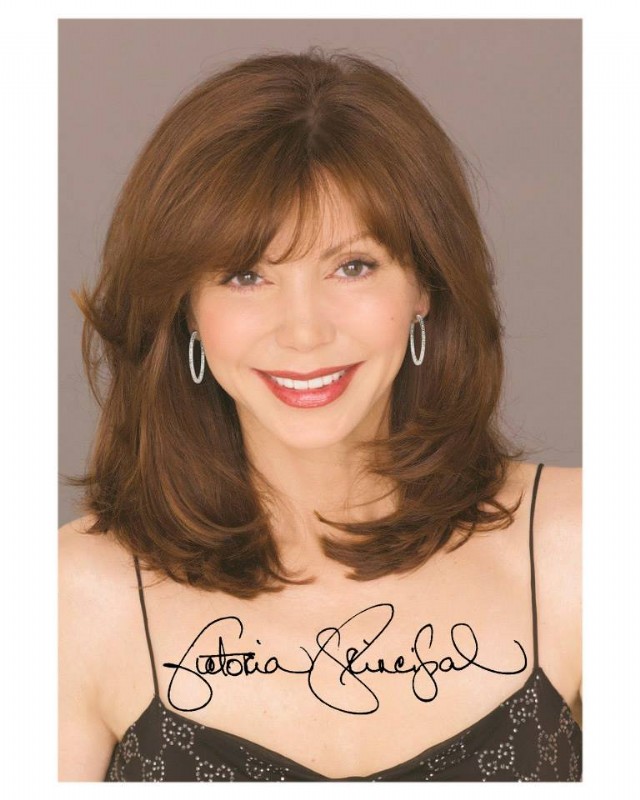
A principal with charm and light.
"Arrived in California, no job, no car,
Just a dream, like many, to go far."
Realities blend with Fantasy Island,
A return to dreams, where roles are beguiling.
Sensual eyes, the gaze of a dreamer,
Victoria’s eyes, a star that gleams, a schemer.
Time will recall a lady who dreamed,
A vision of success, as bright as it seemed.
Uniquely a lady, with grace and might,
A woman of dreams, shining bright.
Victoria Principal, actress so bold,
Entrepreneur, author, with stories untold.
Vicki Ree or Pamela Barnes in our hearts,
A legacy of dreams that never departs.Victoria Valentine
Dreams of Montana
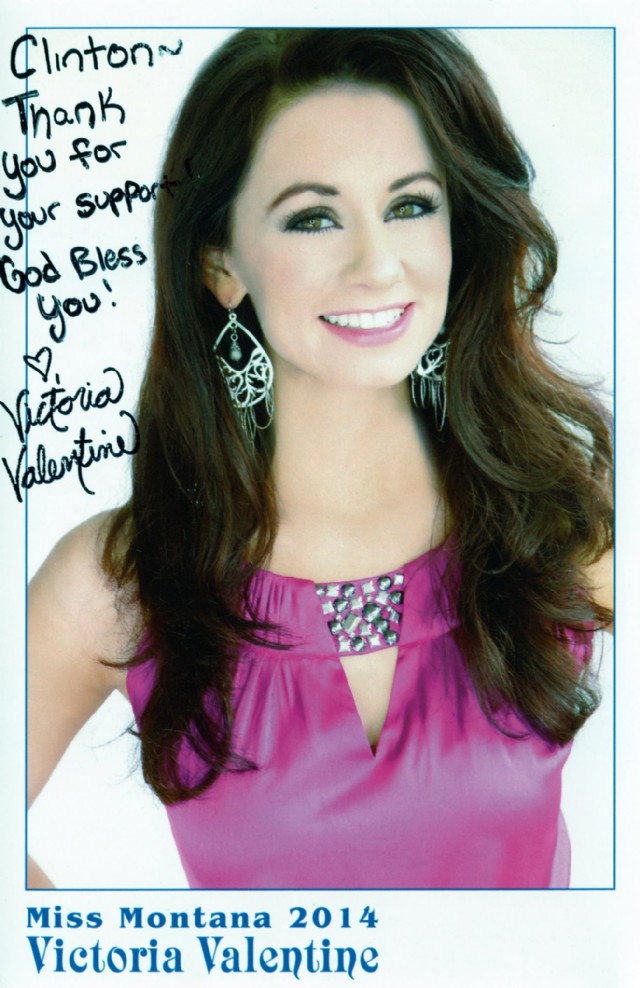
Victoria Valentine, a lovely sight.
A dreamer of 2014, her star did gleam,
A Glendive lady, with dreams to beam.
Dream on, Miss Valentine, dream on,
Eternity awaits, where dreams are born.
Friendly lady, with a heart so kind,
A girl next door, with a radiant mind.
Honest and lovely, from Glendive she stands,
A Montana beauty with gentle hands.
Her smile so warm, a beacon so true,
Victoria Valentine, we think of you.Wolfgang Schäuble
Taxman Turned Politician
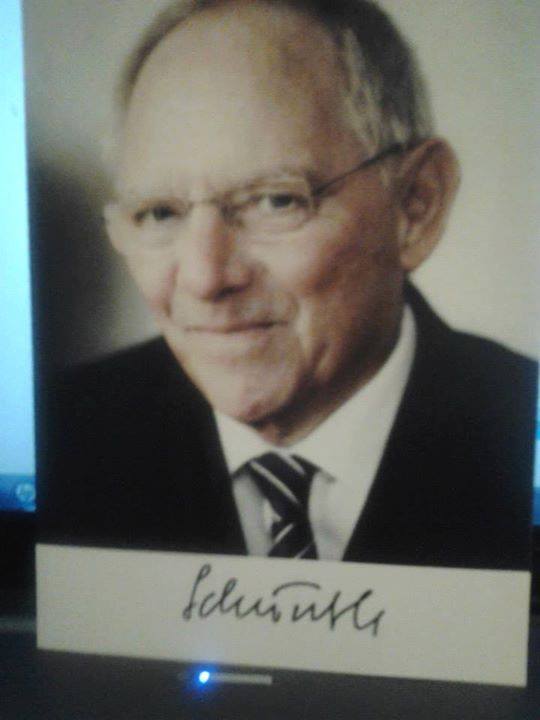
On law he graduated, then served as a taxman before his election,
Living life with laughter, surviving an assassination attempt so grand,
Forever since 1990, in a wheelchair, part of the Christian Democratic stand.
Given life's ups and downs, he has time for a simple act,
He signs an autograph for me, being kind, that is a fact.
So I say thank you from me, for your kindness shown,
Calling out to the 400 politicians here, may kindness be known.
Having given a free autograph, from politician to poet,
Änd in a world without hope, it's kindness that we need to show it.
Schäuble, a member of the cabinet, strong in his belief,
Critical of human rights abuses, seeking to find relief.
How strange the world is, finding heroes far, not near,
Ä man in a wheelchair since 1990, whose life inspires without fear.
Belief in Christ is strong, though beware of movements insincere,
Live life in love, making laws that are righteous, sincere.
Eternity will be woe to those who call right evil, with evil in sight,
For only those who stand for truth can see the true light.Yasmine Vine: A Star with a Beautiful Smile
Actress and Singer of Radiance
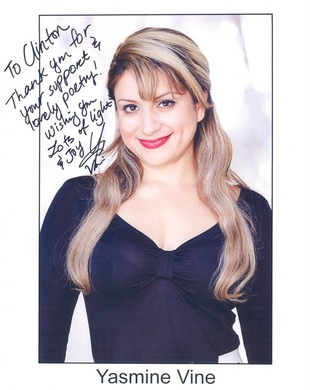
An actress and singer, her talents show.
Her smile, a charm, a beacon of grace,
A beautiful simper lights up her face.
Memories of music, her passion defined,
A musician’s laughter, joy intertwined.
Indeed, she lives within melodies true,
A soul that shines in all she pursues.
Vine, a beauty of Iranian descent,
Her presence, a gift, a heart’s content.
A voice classical, pure and divine,
Eternity sings through her notes and her line.Click the link below to access the shared resource:
Click here to open the document
Film
Ideas on Film
🎬 Film Distribution Flowchart & Resources
Secrets
The webs secrets
12 Smart Ways to Fund Your Film – Full Guide with Details
1. Grants & Film Funds
2. Private Investors
3. Production Partnerships
4. Brand Sponsorships / Product Placement
5. Crowdfunding (the Smart Way)
6. Film Contests & Competitions
7. Pre-Sales & Distribution Deals
8. Tax Incentives & Rebates
2. TVOD (Transactional Video on Demand)
3. AVOD (Advertising-Based Video on Demand)
4. Educational & Institutional Distribution
5. Marketing & Promotion
6. Funding & Grants
7. Film Festival Strategy (New)
8. AI & Data Analytics (New)
9. Physical Media & Boutique Labels (New)
10. Transmedia & IP Expansion (New)


Comments
Post a Comment